
How to Rehydrate Fast: Effective Tips for Quick Recovery
Imagine you’re out for a long hike under the blazing sun, and you suddenly realize that you’re feeling dizzy and fatigued. You pause, take a sip of water, and wonder, “Is this the best thing to drink for dehydration?” At that moment, understanding how to rehydrate fast becomes crucial for your safety and well-being. This scenario isn’t uncommon, and knowing the best way to hydrate your body can make a world of difference.
Whether you’re at home or exercising, having the know-how to quickly remedy dehydration can help you recover swiftly and efficiently. In this guide, we’ll explore effective methods and the best drinks to ensure you’re always prepared.
Understanding Dehydration
Dehydration occurs when your body loses more fluids than it takes in. It can happen quickly, especially in hot weather or during intense physical activity. Fluids are essential for maintaining body functions, including regulating temperature and keeping joints lubricated. Without adequate hydration, these systems can falter, leading to fatigue and dizziness.
Water is the primary component of your body, making up around 60% of your weight. The best way to hydrate your body is by ensuring consistent fluid intake throughout the day. However, sometimes circumstances demand you to figure out how to rehydrate fast.
Signs You Need to Rehydrate Quickly
Recognizing the signs of dehydration early can prevent it from becoming severe. Common symptoms include dry mouth, headaches, and decreased urine output. You might also experience rapid heartbeat or muscle cramps. If you notice these signs, it’s time to focus on rehydrating effectively.
More severe symptoms may require medical attention. However, for mild cases, knowing the best thing to drink for dehydration can help you bounce back swiftly.
Best Thing to Drink for Dehydration
While water is usually sufficient for mild dehydration, sometimes you need an extra boost. Electrolyte drinks and oral rehydration solutions (ORS) can be particularly effective. These beverages help replenish vital minerals like sodium and potassium, which are lost through sweat.
Sports drinks can also be useful during prolonged physical activity, providing both hydration and energy. Coconut water is another excellent option, offering natural electrolytes without added sugars. Choosing the right drink depends on the level of dehydration and personal preference.
How to Rehydrate Fast at Home
Tackling dehydration at home can be straightforward. Start with sipping small amounts of water every few minutes rather than gulping a large quantity at once. This approach helps your body absorb fluids more efficiently.
Consider making a homemade rehydration solution with simple ingredients: mix half a teaspoon of salt and six teaspoons of sugar in a liter of water. This can be an effective alternative when commercial options are unavailable.
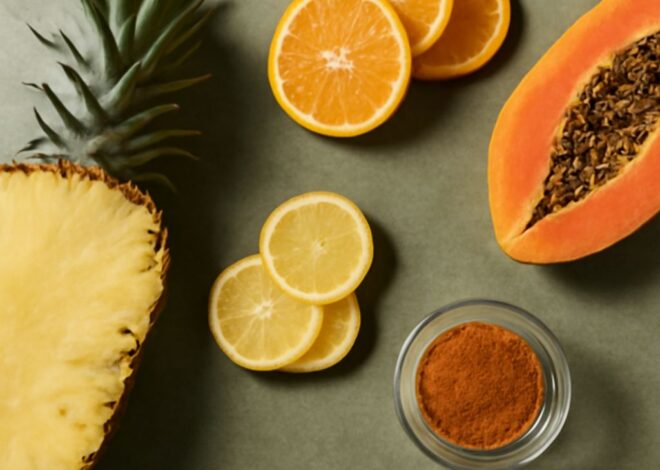
Including hydrating foods like watermelon, cucumbers, and oranges in your diet can also support your hydration efforts.
Best Way to Hydrate Your Body During Exercise
Maintaining hydration during exercise is crucial to avoid performance dips and potential heat-related illnesses. Start by hydrating before your workout. Drinking 17 to 20 ounces of water 2 to 3 hours prior can prepare your body.
During exercise, aim to drink 7 to 10 ounces of water every 10 to 20 minutes. If the activity lasts more than an hour, consider electrolyte-rich beverages to replenish lost minerals.
Post-exercise, focus on rehydrating with a combination of water and electrolytes, adjusting the intake based on sweat loss and exercise intensity.
Preventing Dehydration: Tips and Tricks
Prevention is key to avoiding dehydration. Here are some practical tips to keep you adequately hydrated:
- Carry a refillable water bottle with you and set reminders to drink regularly.
- Pay attention to your urine color, which should be light yellow if you’re well-hydrated.
- Adjust your fluid intake based on weather conditions and physical activity levels.
- Incorporate hydrating foods into your meals and snacks.
- Limit caffeine and alcohol, as they can contribute to fluid loss.
By integrating these habits, you can ensure your body remains well-hydrated, ready to tackle any adventure or workout.
Bottom line: Staying hydrated is essential for maintaining your health and performance. By understanding the signs of dehydration and knowing how to rehydrate fast, you equip yourself to handle any situation. Whether at home or on the go, choose the best way to hydrate your body to ensure optimal functioning and recovery.
Related Posts
Foods That Cause Bloating: What You Need to Know

Yucca Nutrition: Understanding Cooked Yuca Root