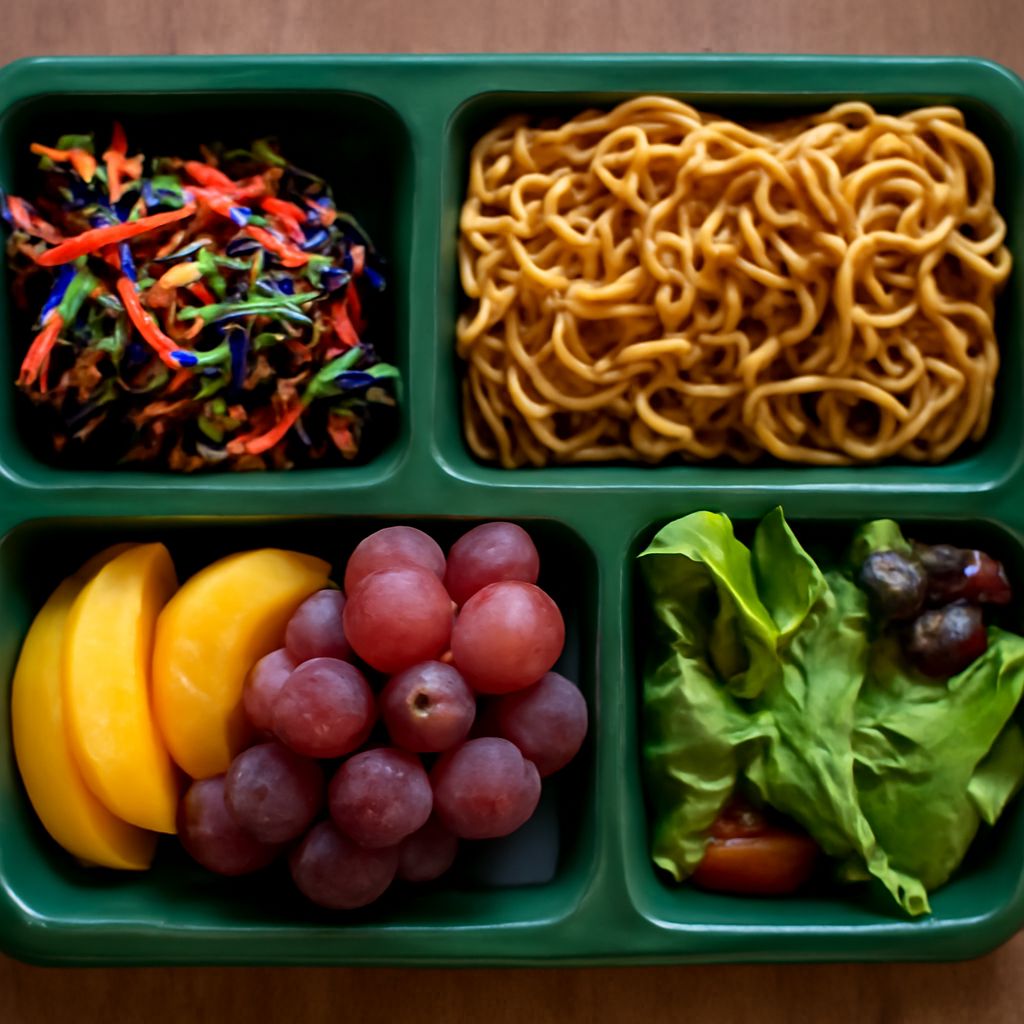
School Lunch: A Guide to Nutritious Meals
Imagine it’s a typical morning, and you’re preparing your child for school. As you pack their backpack, a thought crosses your mind: What will they be eating for lunch today? It’s essential to know that school lunches can be both nutritious and delicious, but understanding the options available in public schools is key to making the healthiest choices. With a variety of school meals to navigate, it can sometimes feel like a daunting task to ensure that your children are getting balanced nutrition.
Whether you’re concerned about the nutritional value of the school lunch menu or are interested in how these meals meet federal guidelines, you’re not alone. Many parents share this interest, wanting their children to have access to meals that not only satisfy hunger but also contribute to their overall health and well-being. Let’s explore the intricacies of the school lunch system and learn how you can make informed decisions about school meals.
Understanding the School Lunch System
The school lunch system in public schools is designed to provide students with meals that meet specific nutritional standards. Funded by government programs, these lunches aim to ensure that every child has access to food that supports their growth and development. The system involves not just the preparation of meals but also considers factors like cost, supply chain logistics, and student preferences.
Schools strive to offer a variety of options each day, accommodating different dietary needs and cultural preferences. The goal is to make nutritious food appealing and accessible to all students, ensuring that everyone can find something they enjoy eating. By understanding this system, parents and students can better appreciate the effort that goes into planning each meal.
Components of a Balanced School Lunch Menu
A balanced school lunch menu typically includes a mix of proteins, carbohydrates, and healthy fats, alongside fruits and vegetables. Proteins might come from sources like chicken, beans, or tofu, while carbohydrates often include whole grains such as brown rice or whole wheat bread. Healthy fats, necessary for brain health and energy, can be found in foods like avocado or nuts.
Fruits and vegetables are crucial components, providing essential vitamins and minerals. Schools aim to offer a rainbow of produce to encourage students to try different flavors and textures. A variety of colors not only looks appealing but also ensures a broader range of nutrients, contributing to a well-rounded diet.
How School Meals Meet Nutritional Standards
Federal Guidelines
School meals must adhere to federal guidelines that set parameters for nutritional content, including calorie counts, sodium levels, and portion sizes. These guidelines are designed to combat childhood obesity and promote lifelong healthy eating habits. The U.S. Department of Agriculture (USDA) regularly updates these standards to reflect the latest nutritional science.
Nutritional Balance
Beyond just meeting federal guidelines, schools strive for nutritional balance in each meal. This involves not only the right proportions of macronutrients but also a commitment to reducing added sugars and unhealthy fats. Schools often partner with dietitians to create menus that are both compliant with regulations and appealing to students, fostering a positive relationship with food.
Challenges Facing Public School Lunches
Despite the best efforts, public school lunches face several challenges. Budget constraints can limit the availability of fresh ingredients, while logistical issues can affect the consistency and quality of meals served. Additionally, balancing nutritional guidelines with student preferences is an ongoing challenge, as schools aim to offer meals that are both healthy and well-received.
Another issue is food waste, with schools constantly seeking strategies to minimize leftovers and maximize the efficient use of resources. Addressing these challenges requires creativity, collaboration, and ongoing adjustments to menus and procurement processes.
Tips for Parents on Improving School Lunch Choices
Parents play a crucial role in guiding children toward healthier lunch choices. One effective strategy is to engage in conversations about nutrition, teaching children to understand the benefits of a balanced diet. Visiting the school’s cafeteria menu online can also help parents reinforce these discussions.
Encouraging your child to try new foods at home can make them more open to diverse options at school. Additionally, involving children in meal planning or preparation can foster a sense of ownership and curiosity about their food choices. Collaborating with school officials to provide feedback on lunch offerings can also lead to positive changes in the menu.
Future Trends in School Lunch Programs
Looking ahead, school lunch programs are evolving to incorporate more sustainable practices and innovative approaches to nutrition. There’s a growing emphasis on farm-to-school initiatives, which aim to source ingredients locally, reducing carbon footprints and supporting community agriculture. Such initiatives also introduce students to fresh, seasonal produce.
Technological advancements are playing a significant role in modernizing school lunch programs. Digital tracking of nutritional data allows for more personalized dietary plans, while online platforms enable streamlined menu planning and parental involvement. As these trends continue to develop, they promise to enhance the quality and accessibility of school lunches, making nutritious meals a staple in every student’s day.
Bottom line: Navigating the school lunch system is essential for ensuring that students receive nutritious meals. By understanding the components, challenges, and future trends of school lunches, parents can make informed decisions and advocate for healthier options. Together, we can create a more supportive environment for children’s nutritional needs.