The Healthiest Fish to Eat for Optimal Nutrition
You wander through the aisles of your local supermarket, colorful packaging catching your eye as you consider what to make for dinner. You pause in front of the seafood section, contemplating the health benefits of fish. The idea of incorporating the healthiest fish into your diet appeals to your desire for a nutritious meal, but you’re unsure which options provide the best nutritional value. Should you choose salmon, mackerel, or another type of fish? Understanding the healthiest fish to eat can transform your meal planning and enhance your overall well-being.
Why Eating Fish is Important for Your Health
Fish is a cornerstone of a nutritious diet, offering a plethora of health benefits that can significantly impact your overall wellness. Rich in essential nutrients like omega-3 fatty acids, vitamins, and minerals, fish can improve cardiovascular health, support brain function, and reduce inflammation. Regular consumption of fish is associated with a lower risk of chronic diseases such as heart disease and stroke. Including a variety of healthy fish in your diet ensures you receive a wide range of nutrients essential for maintaining optimal health.
Top Picks for the Healthiest Fish to Eat
When selecting the best fish for your diet, it’s important to consider both nutritional value and sustainability. Some top choices include salmon, mackerel, sardines, and trout. Each of these options provides distinct health advantages and can easily be incorporated into various meals. These fish are not only nutrient-dense but also versatile, making them ideal additions to a balanced and healthy eating plan.
Nutritional Benefits of Each Healthy Fish
Salmon: A Powerhouse of Omega-3 Fatty Acids
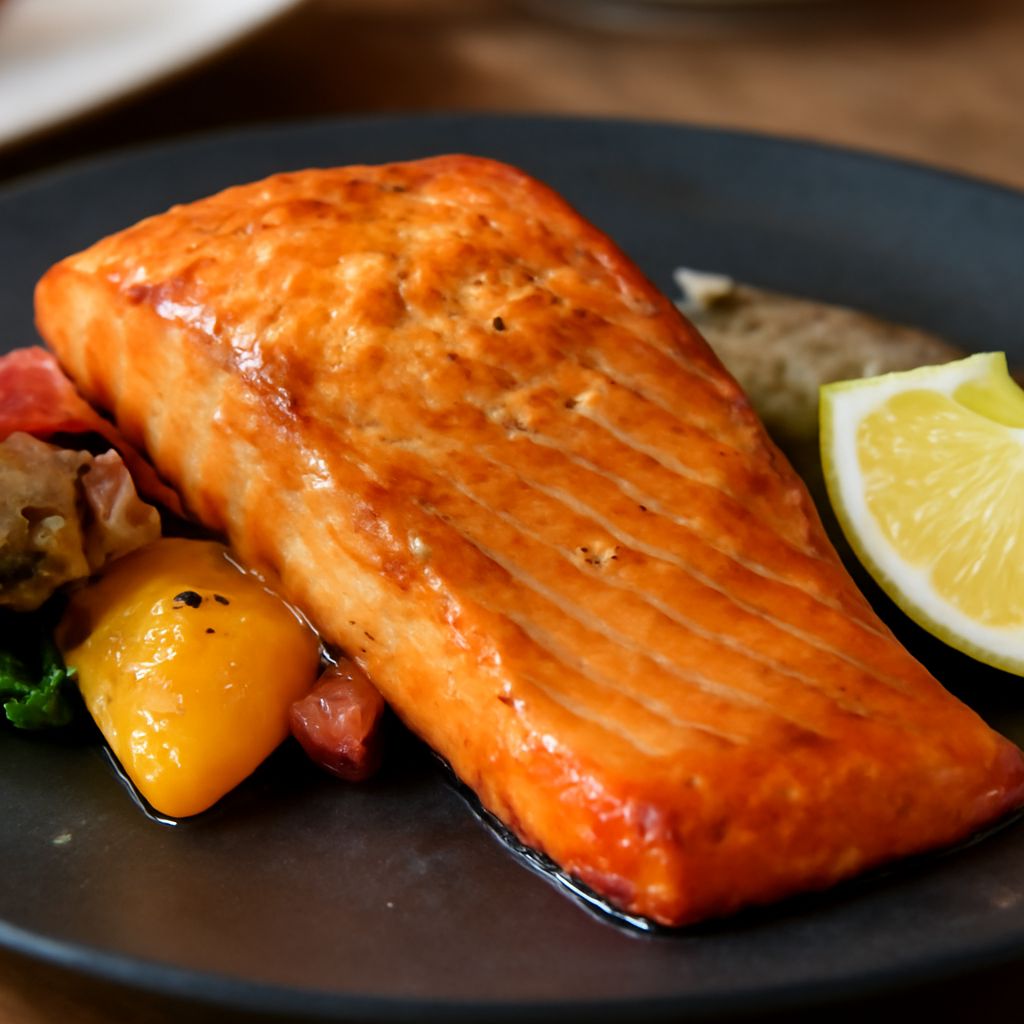
Salmon is renowned for its high content of omega-3 fatty acids, which play a vital role in heart health and brain function. These essential fats help reduce inflammation and may lower the risk of heart disease. In addition to omega-3s, salmon is rich in protein and provides a good source of B vitamins and selenium. Wild-caught salmon is considered a more sustainable option and often has a better nutrient profile compared to farm-raised varieties.
Mackerel: Rich in Heart-Healthy Nutrients
Mackerel is another excellent choice, offering substantial amounts of omega-3 fatty acids along with vitamins D and B12. These nutrients are crucial for maintaining healthy bones and a robust immune system. Mackerel’s rich flavor complements a variety of dishes, making it a favorite among seafood lovers. Due to its smaller size, mackerel tends to have lower mercury levels, making it a safer choice for frequent consumption.
Sardines: Small Fish with Big Health Benefits
Sardines might be small, but they pack a hefty nutritional punch. High in omega-3s, calcium, and vitamin D, sardines support bone health and cardiovascular function. They are also a sustainable seafood option, as they are lower on the food chain and reproduce quickly. Sardines are commonly available canned in oil or water, offering a convenient way to add more fish to your diet without much preparation.
Trout: A Delicious Source of Protein
Trout, particularly rainbow trout, is a flavorful and healthy fish rich in protein and omega-3s. It provides essential nutrients like niacin, vitamin B6, and phosphorus, which are important for energy production and maintaining healthy tissues. Trout’s mild taste makes it suitable for various cooking methods, whether grilled, baked, or pan-fried, ensuring you can enjoy its benefits without sacrificing flavor.
How to Incorporate Healthy Fish into Your Diet
Incorporating more healthy fish into your meals is easier than you might think. Start by including fish in your weekly meal rotation, aiming for at least two servings per week. Experiment with different recipes to keep meals exciting and flavorful. Grilled salmon with a side of roasted vegetables, mackerel salads, or sardine pasta are just a few ideas to get you started. Don’t be afraid to explore new cooking techniques, such as poaching or smoking, to enhance the taste and texture of your fish dishes.
Sustainable Choices When Selecting Fish to Eat
As you embrace the health benefits of fish, it’s also important to consider sustainability to protect our oceans and fish populations. Opt for species that are abundant and caught or farmed in environmentally friendly ways. Look for certifications like the Marine Stewardship Council (MSC) label or the Aquaculture Stewardship Council (ASC) label to guide your purchasing decisions. By making informed choices, you contribute to the long-term health of marine ecosystems while enjoying the nutritional advantages of fish.
Safety recap: When preparing fish, ensure it is cooked to an internal temperature of 145°F to eliminate harmful bacteria. For raw fish dishes, such as sushi, purchase high-quality, sushi-grade fish to reduce the risk of foodborne illness.