Choosing a Meal Prep Lunch Box for the Way You Travel
An insulated carrier can seem like a portable refrigerator. In fact, insulation slows the movement of heat; it does not create cold. A lunch box for prepared meals needs a cold source and enough room around the food to keep perishables chilled on the way to lunch.
The same principle applies to a backpack designed for meal prep. Its straps may make a long commute easier, but its food compartment still needs a temperature plan. Start with the hours between leaving home and eating, then choose a carrier that fits both your food and your route.
Start with the space your lunch actually needs
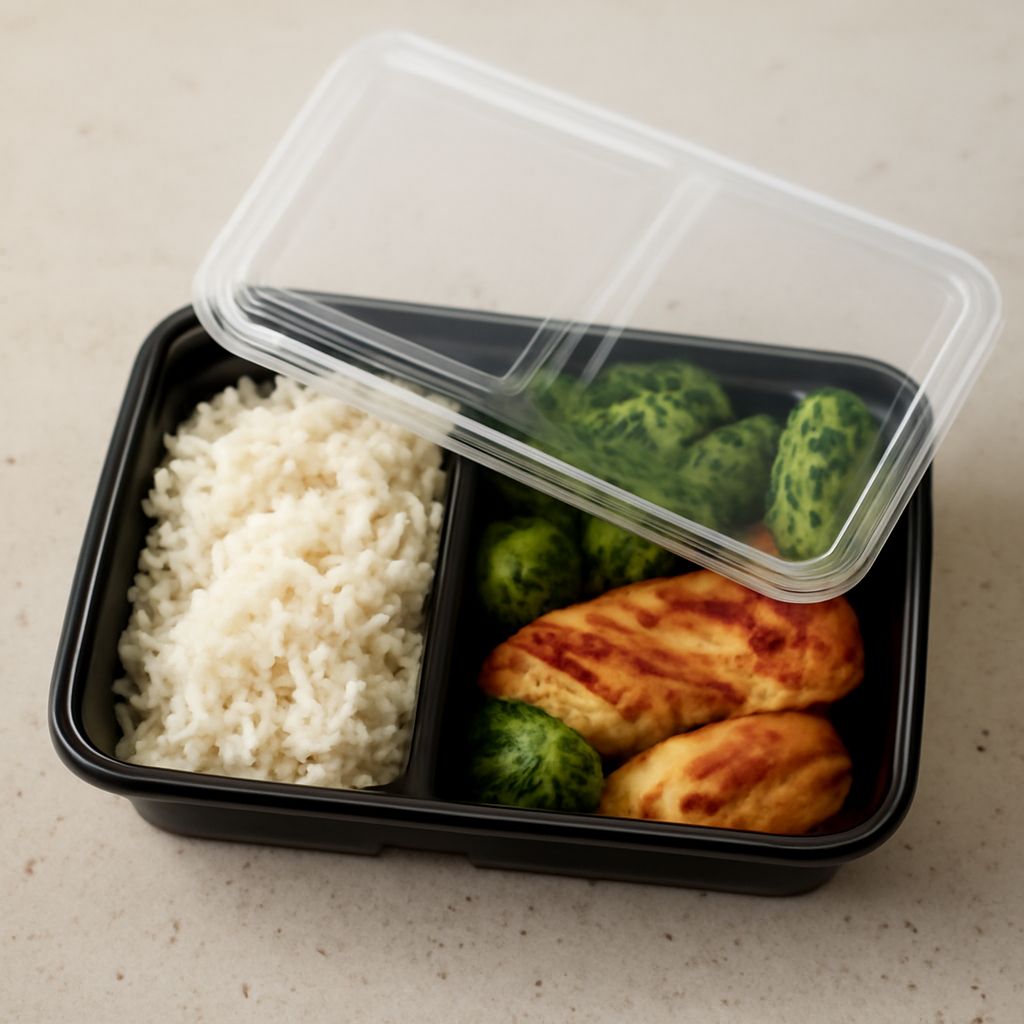
A meal prep lunch box is a compact choice when you carry one meal and can hold it by a handle or place it inside another bag. Measure the longest, widest, and tallest items you routinely pack, including their lids. Add space for cold packs, a drink, utensils, and anything you want to keep upright. A stated capacity in liters can help compare models, but interior dimensions tell you whether your particular containers will fit.
For the best lunch box for meal prep, picture a normal workday rather than an unusually light lunch. Can the lid close without pressing on the food? Is there room to lift the containers out without tipping them? A rigid exterior can protect a neatly stacked meal, while a flexible one may fit a crowded shelf more easily. A wide opening makes it easier to see and retrieve the contents. The best box for prepared lunches also leaves enough clearance for your hand to reach the lower container.
A meal prep lunch bag generally has a soft exterior and handles or a shoulder strap. Its flexibility is convenient on a bus or in a crowded refrigerator, especially if it folds down after lunch. Check the base: a bag that collapses or tips when set down is less convenient for liquid foods. Look for a stable bottom and a closure that lets you open it without turning the contents sideways. A bag for prepped lunches should fit comfortably in the space you use most often.
Meal prep backpack options for a longer commute
A dedicated meal prep backpack can distribute the load across both shoulders while leaving your hands free. It makes sense for a walk, a bike ride, or a commute with several transfers, particularly when lunch shares the trip with a laptop and other essentials. Try it with a representative load: the shoulder straps should adjust comfortably, and the bag should sit close to your back without making you lean forward.
Some backpacks for prepared meals have a separate insulated compartment. Check its opening and depth against your actual containers; a large overall bag may still have a narrow food space. A divider can keep a laptop away from condensation.
A backpack for prepped meals takes up more room than a small carrier. If its insulated section cannot be removed, transfer the food and cold packs to the office fridge on arrival.
When a cooler earns its extra space
A meal prep cooler is worth considering when you carry several meals, need a larger supply of cold packs, or travel somewhere without a refrigerator. A soft cooler may compress for storage, while a hard-sided one can offer a stable surface and more protection from bumps. Both need a practical way to carry their loaded weight. Check the handle or shoulder strap with the cooler full, and measure the space it will occupy in your car or at work.
The best meal prep bags for a train ride may be awkward at a job site where the carrier sits on the ground all day. At a job site, a stable base and an easy-to-clean exterior matter. A soft bag may fold away for the return trip.
Keep cold food cold through lunch
Perishable foods such as cooked meat, dairy, cut fruit, and leftovers need cold holding. Chill the food before packing; an insulated carrier is intended to slow warming, not rapidly cool a hot meal. FoodSafety.gov recommends at least two cold sources, such as a frozen gel pack and a frozen water bottle. Freeze the packs overnight and allow for their thickness when sizing the carrier.
Keep cold food at 40°F or below. If you have a refrigerator at your destination, put the food inside promptly; check whether the entire carrier fits or whether you need to remove the containers. A food thermometer can help you check the temperature at lunchtime during a typical trip. Test the arrangement again if the commute gets longer or the weather gets hotter.
Perishable food left without safe temperature control should be discarded after more than two hours, or after one hour if the air temperature is above 90°F, according to FoodSafety.gov. A hot car can shorten the usable window. Keep the carrier out of direct sun and take it with you rather than leaving it in a parked vehicle.
For a hot lunch, use an insulated food container and monitor the food temperature: hot food should be held at 140°F or above. If you carry leftovers cold and reheat them, heat them to 165°F. A lunch bag for prepared meals can carry the hot container, but check that it stays upright and closes securely.
Match the carrier to the whole day
The best meal prep lunch box is the one that fits the real load, including cold packs, and fits the place where it will wait. Before buying, pack your usual containers together and measure the footprint. A lunch box for prepped meals should also be easy to clean inside. Consider whether you have to carry it up stairs.
A good box for prepared lunches may be enough for a short trip to a reliable refrigerator. If you walk or cycle farther, choose a meal-prep backpack with a comfortable loaded fit and a properly sized food compartment. For a long day without refrigeration, choose a larger cooler with room for adequate cold sources, then check that it keeps food at a safe temperature until you eat.