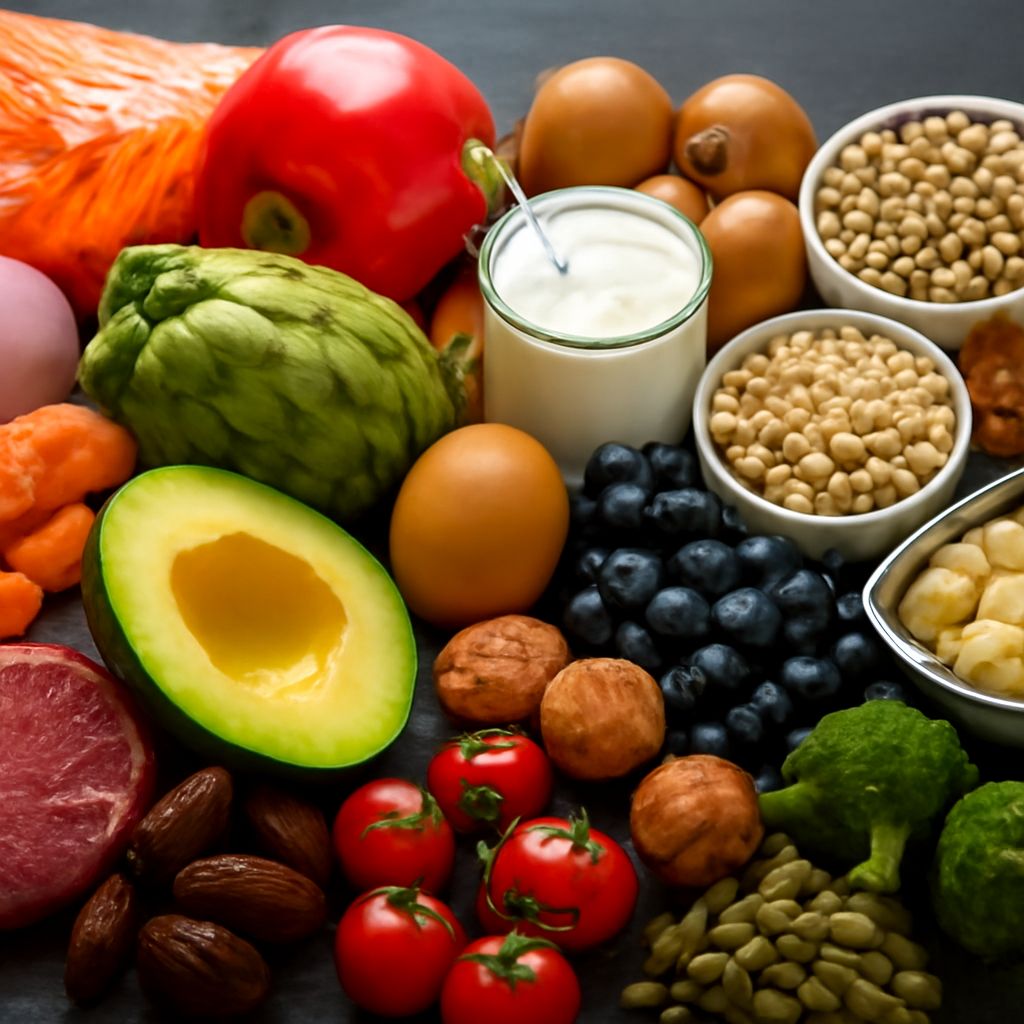
High Fiber Foods: Build More Filling Everyday Meals
The best way to add fiber depends on what you already eat and how much you can comfortably add. A person who enjoys oatmeal might start with fruit at breakfast; someone who prefers savory meals might add beans to lunch. Foods rich in fiber can be spread across the day, so a single large serving does not have to do all the work. Start with a portion that fits your appetite and routine.
Dietary fiber is a type of carbohydrate found in plant foods that the body does not fully digest. It helps support digestion and can contribute to fullness. Different plants contain different mixtures of fiber, so variety is useful as well as pleasant. The question is not simply what foods are high in fiber, but what amounts fit on a plate you would like to eat.
Fiber rich foods: Compare practical portions
The estimates below use portions from Mayo Clinic’s food chart, which draws on USDA data. Values are approximate. Preparation, size and brand can change the amount; canned beans, for example, may differ from beans cooked from dry.
| Food | Serving | Approximate fiber |
|---|---|---|
| Black beans, boiled | 1/2 cup | 7.5 g |
| Lentils, boiled | 1/2 cup | 7.75 g |
| Raspberries | 1/2 cup | 4 g |
| Instant oatmeal, cooked | 1 cup | 4 g |
| Broccoli, boiled | 1 cup chopped | 5 g |
| Whole-wheat bread | 1 slice | 2 g |
| Almonds | 1 ounce | 3.5 g |
| Brown rice, cooked | 1 cup | 3.5 g |
These high fiber foods differ in more than a number. Other fiber rich foods can contribute even in smaller portions. Beans can be the center of a meal; berries may be a topping; almonds are easy to carry. To understand which foods have the most fiber, compare the portion as well as the food. A spoonful of seeds and a cup of beans do not occupy the same place in a meal.
The search for the “food highest in fiber” also depends on the unit used. A ranking by weight may favor a concentrated ingredient that is normally eaten in a small portion. For everyday choices, grams per serving often tell a more useful story. A shelf sign reading “hi fiber foods” is a starting point: check dietary fiber per serving on the package, then compare it with the portion actually eaten. The most fiber foods can contribute depends on the amount served and how they are prepared.
Breakfast: Combine a base and a topping
A cup of cooked instant oatmeal supplies about 4 grams. Add 1/2 cup of raspberries for roughly 4 more, and the bowl reaches about 8 grams before any other ingredients. Milk or yogurt can add protein and change the texture, although plain versions do not contribute meaningful fiber on their own.
If a whole cup of oats is too much, use a smaller bowl and adjust the estimate. Frozen berries are another practical option; thaw them or warm them with the oatmeal. A slice of whole-wheat toast with a medium pear is a different breakfast, with about 7.5 grams combined using the chart’s estimates. Both examples show what foods have fiber without requiring an unfamiliar recipe.
Lunch: Let beans do part of the work
A half cup of cooked black beans provides about 7.5 grams. Add them to a bowl with 1 cup of cooked brown rice for about 3.5 more: together they provide roughly 11 grams. Add vegetables and a protein or sauce that suits the meal. The final total depends on the amounts actually served and which high-fiber foods are included.
For another fiber-rich meal, two slices of whole-wheat bread contribute about 4 grams. Add a piece of fruit or a small bean salad on the side. Whole-wheat bread varies, so compare labels instead of assuming every loaf gives the same amount. Canned beans can save time; rinse and drain them if desired, and check the label when sodium is a concern.
Dinner and snacks: Make small additions count
For dinner, combine 1/2 cup of boiled lentils with 1 cup of boiled broccoli. The pair supplies about 12.75 grams before adding rice, fish, tofu or another main component. A soup can use smaller portions of fiber-rich foods: stir lentils into a vegetable soup and serve with a slice of whole-wheat bread. It is an easy way to put foods with fiber into a meal that already has a place in the week.
An ounce of almonds contributes about 3.5 grams, and a medium apple with its skin contributes about 4.5 grams. Either can be a snack on its own; together they add roughly 8 grams. There is no need to eat all of these examples in one day. Select portions of foods high in fiber that fit your meals, calorie needs and preferences.
Read the label and increase gradually
The FDA’s Daily Value for dietary fiber is 28 grams on a 2,000-calorie reference diet. Individual needs can differ. On a package, compare dietary fiber per serving and check the serving size first. If the portion eaten is twice the listed serving, it supplies twice the listed fiber. Labels also show the percentage of Daily Value, which helps compare products on the same scale.
If your usual intake is low, add high fiber foods gradually over several weeks. A sudden large increase can cause gas, bloating or cramps. Drink enough fluids as you increase fiber; some fibers work best when they absorb water. If a clinician has recommended a low-fiber diet or you have a condition that affects digestion, follow that guidance and discuss changes with the clinician.
For your next meal, swap one slice of white bread for a slice of whole-wheat bread, check the label, and build from there. A small change that fits repeatedly can add up across many ordinary meals.