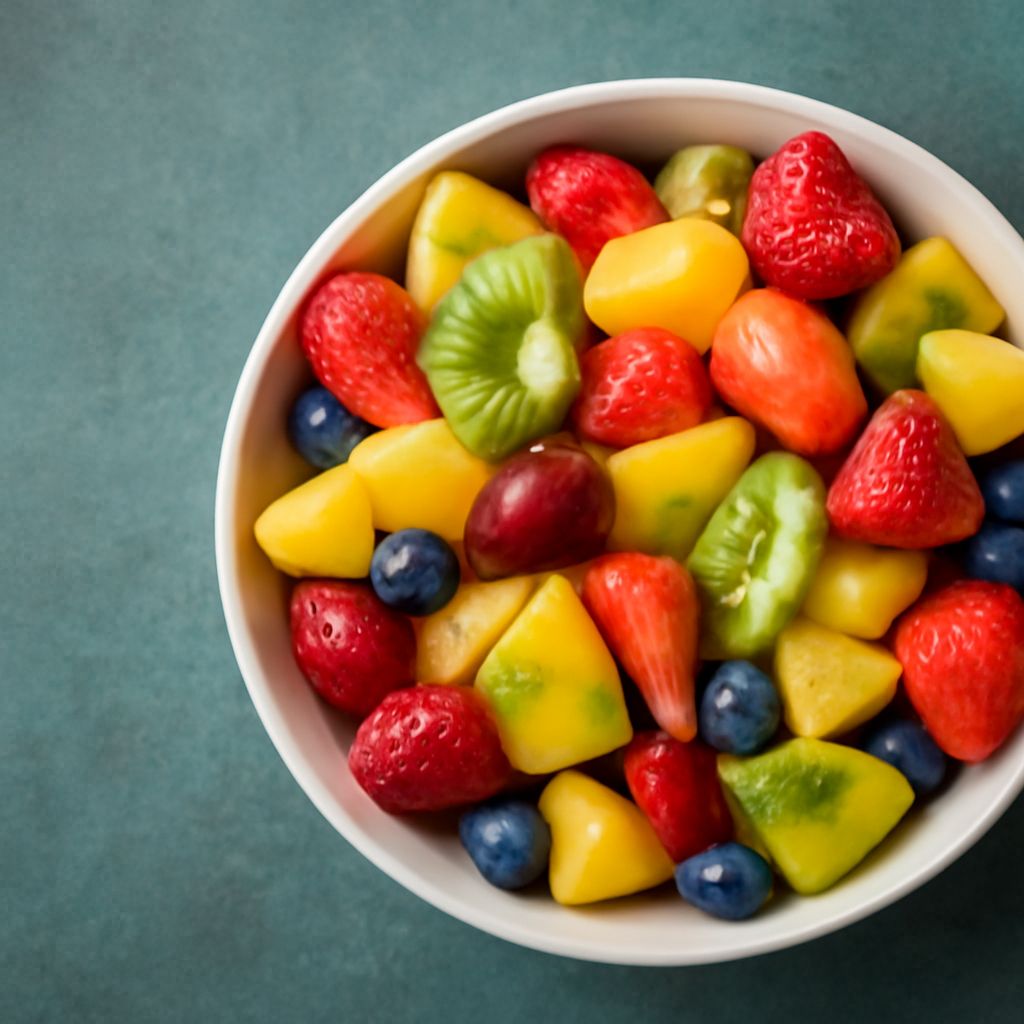
High Calorie Fruits: Do They Really Make You Fat?
Imagine walking through a vibrant farmers market, vibrant colors of tropical fruits catching your eye. You pause at a stand displaying ripe bananas, avocados, and succulent mangoes, wondering: do these high calorie fruits make you fat? It’s a question that lingers in the minds of many health-conscious individuals striving to understand the balance between enjoying fruits and maintaining a healthy weight. With so much conflicting information about whether fruit will make you fat, it’s easy to be confused.
In this article, we’ll explore whether high calorie fruits contribute to weight gain, shedding light on the myths and facts surrounding them. Let’s delve into the nutritional benefits of these fruits and how they fit into a balanced diet.
Understanding High Calorie Fruits
High calorie fruits are those that offer a greater number of calories per serving compared to other fruits. While bananas and avocados are often categorized as such, the term doesn’t necessarily imply that they are unhealthy. These fruits are typically denser and contain more natural sugars and healthy fats, which contribute to their calorie count.
For example, an avocado, known for its creamy texture, is rich in monounsaturated fats. Bananas, on the other hand, are an excellent source of potassium and quick energy due to their carbohydrate content. Understanding what makes a fruit high in calories is crucial to dispelling the notion that all calories are equal and inherently harmful.
Does Fruit Make You Fat?
The question of whether fruit will make you fat is more complex than a simple yes or no. While calories do contribute to weight gain, it’s the overall dietary context that matters. Consuming high calorie fruits like mangoes or bananas in moderation, within a balanced diet, is unlikely to lead to weight gain.
Fruits also provide essential nutrients and fiber, which can support weight management. The key is to focus on portion control and the nutritional profile of your entire meal plan. Including a variety of fruits in your diet can actually help maintain a healthy weight when balanced with other food groups.
Nutritional Benefits of High Calorie Fruits
Vitamins and Minerals
High calorie fruits are not just energy-dense; they are packed with vitamins and minerals. Bananas, for instance, are an excellent source of vitamin B6 and potassium. Avocados offer vitamin K and folate, both essential for bodily functions. These nutrients are vital for maintaining healthy bodily processes and supporting overall well-being.
Fiber Content
Fiber is another critical component found in many high calorie fruits. It aids digestion and increases satiety, helping you feel full longer. This can prevent overeating and contribute to weight management. An avocado contains about 10 grams of fiber, making it a great choice for promoting digestive health.
Natural Sugars
While high calorie fruits do contain natural sugars, these are different from the added sugars found in processed foods. The sugars in fruits are accompanied by fiber and nutrients, which slow down digestion and absorption, offering a stable energy release. This makes fruits like mangoes a healthier option for satisfying sweet cravings.
High Calorie Fruit Myths Debunked
There’s a common misconception that all high calorie fruits are fattening. In reality, fruits like avocados and bananas can be part of a nutritious diet without leading to weight gain when eaten in appropriate portions. The fear that these fruits will automatically make you fat is largely unfounded.
Another myth is that the sugars in fruit are as harmful as refined sugars. However, the fiber and water content in fruits help to moderate the absorption of sugars, making them a healthier choice. Understanding these differences is key to incorporating fruits into your diet without fear.
Balancing Fruit in Your Diet
Balancing fruit intake involves understanding your body’s energy needs and dietary goals. High calorie fruits like avocados and bananas can be part of a balanced diet. Consider pairing these fruits with proteins or healthy fats to create satisfying meals.
For example, a smoothie with banana, spinach, and Greek yogurt can offer a balanced mix of nutrients. Alternatively, avocados can be used in salads or as a toast topping, combined with lean proteins like chicken or tofu. The goal is to enjoy these fruits as part of a varied diet, rich in vegetables, whole grains, and lean proteins, to support overall health.
Remember, diversity and moderation are essential in any diet. Rather than fearing high calorie fruits, embrace them for the nutritional benefits they offer while keeping portion sizes in check.
Safety recap: If you’re using tools to prepare or cut fruit, ensure proper handling to avoid injury. For those dyeing fruits in decorative dishes, consider color care to maintain visual appeal while retaining nutritional benefits.