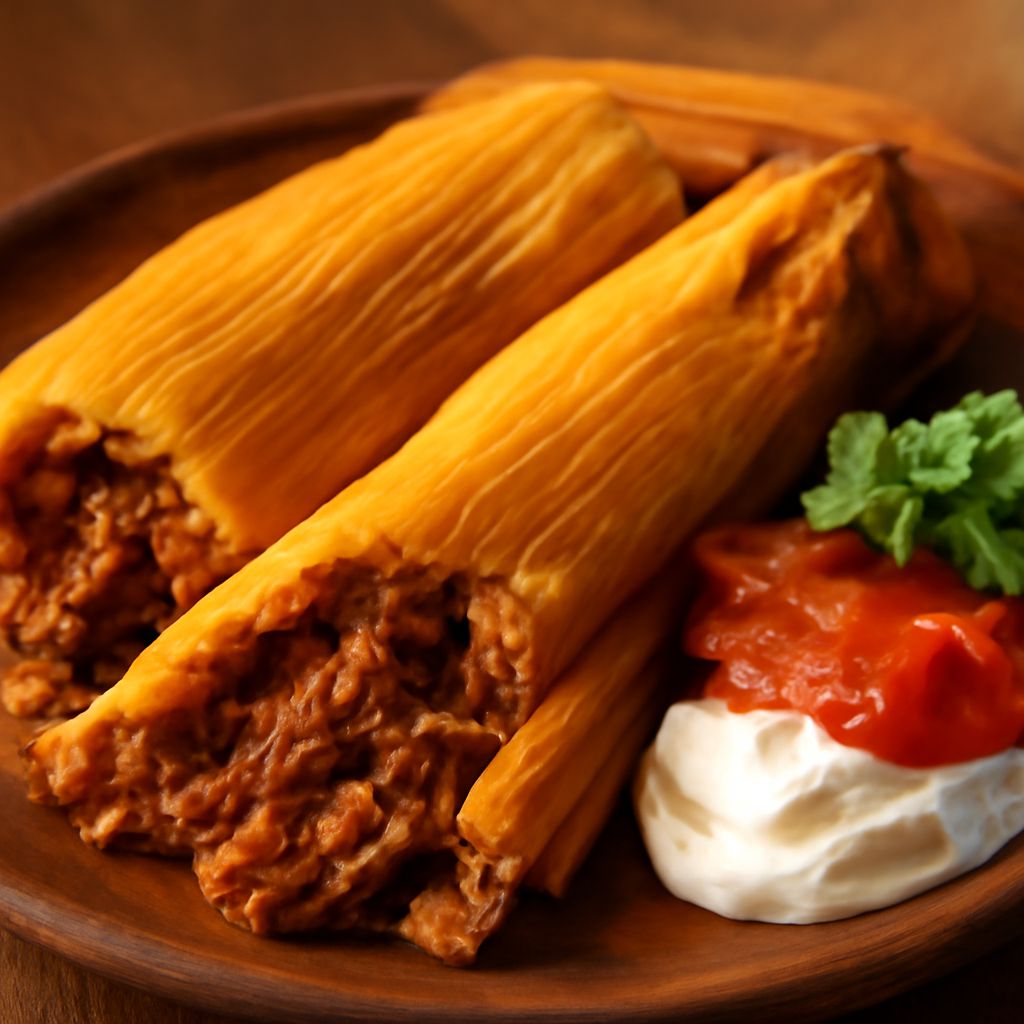
Calories in Tamales and Carbs: Everything You Need to Know
Tamales are a beloved staple at family gatherings, holiday tables, and weekend meals throughout Latin America and beyond. But if you’re tracking your macros or managing carbohydrate intake, you might be wondering: exactly how many carbs are in a tamale, and how do calories in tamales fit into your nutrition plan? Getting accurate numbers matters, because serving sizes vary wildly and the macros shift significantly between fillings and preparation styles.
Whether you’re looking at carbs in tamales across a full plate or just checking the carbs in a tamale before your first bite, this guide gives you the precise breakdowns you need — along with context about how tamales carbs compare to similar foods and what that means for your dietary goals.
Calorie Content of Tamales by Type
The masa (corn dough) forms the foundation of every tamale’s caloric content. Masa harina combined with fat (traditionally lard or shortening) and broth creates a dough that contributes approximately 120–140 calories per medium tamale before adding any filling. Here’s how different varieties stack up:
- Plain masa tamale: ~150 calories
- Chicken tamale: 190–230 calories
- Pork tamale with red sauce: 230–290 calories
- Cheese and pepper tamale: 200–260 calories
- Rajas (roasted pepper) tamale: 170–220 calories
- Sweet corn tamale: 200–280 calories
Carbs in Tamales: Serving-by-Serving Data
Understanding how many carbs in a tamale requires measuring the masa portion carefully. The USDA reports approximately 20–27 grams of total carbohydrates in a single medium tamale (about 100–130 g). Breaking that down further:
- Dietary fiber: 1–2 g per tamale
- Net carbs in a tamale: 19–25 g
- Sugars: less than 2 g in most savory varieties
The carbs in a tamale come almost entirely from the corn masa — a starchy carbohydrate with a moderate glycemic index (around 54–69). Adding sweet fillings or sugar-based toppings increases the tamale’s sugar carbs meaningfully.
How Tamales Carbs Compare to Similar Foods
Comparing tamales carbs to familiar starchy foods helps contextualize their place in a meal plan:
- One medium tamale (~100 g): 22 g carbs
- One slice of whole wheat bread (30 g): 13 g carbs
- One cup cooked white rice (186 g): 45 g carbs
- One medium flour tortilla (45 g): 23 g carbs
- One cup pinto beans (171 g): 45 g carbs
A tamale is carbohydrate-comparable to a flour tortilla, making it a moderate-carb food rather than an extreme one. Two tamales at a meal delivers roughly 44–50 g of carbohydrates total — a reasonable amount for active individuals.
Fat and Protein in Tamales
Fat content in tamales comes primarily from the masa preparation. Traditional lard-based masa adds 6–9 grams of fat per tamale. Plant-based or lower-fat versions made with vegetable shortening or olive oil reduce this to 4–6 grams. Protein content ranges from 4–5 g (plain masa) to 10–14 g (pork or chicken-filled varieties).
Can Tamales Fit a Low-Carb Diet?
Traditional tamales are not low-carb foods due to the corn masa base. However, cauliflower-masa tamales have emerged as a popular adaptation: replacing a portion (or all) of the masa harina with riced, steamed, and squeezed cauliflower can reduce carbs to 8–12 g per tamale while maintaining a familiar texture. This modification doesn’t replicate the authentic flavor perfectly, but it substantially reduces carbs in tamales for those following ketogenic or low-carb approaches.
Tips for Enjoying Tamales While Managing Carb Intake
- Stick to 1–2 tamales per meal rather than 3–4 to keep carbs in a manageable range.
- Pair tamales with high-protein, low-carb sides like Mexican-style grilled chicken or a crisp cabbage slaw.
- Skip high-carb accompaniments like rice and beans if you’ve already eaten 2 tamales.
- Choose chicken or vegetable fillings over sweet varieties to minimize sugar carbs.
- When making tamales at home, use a measured amount of masa and increase the protein filling ratio.
Tamales are a wholesome, satisfying food with moderate carbohydrate density and genuine nutritional value. Understanding the carbs in a tamale allows you to incorporate them thoughtfully into your eating pattern rather than avoiding them entirely.
Related Posts
How to Make Pancakes: A Complete Guide
Fat Guy in a Little Coat Gif and Nutritional Insights