High Protein Breakfast No Eggs: Filling Morning Meals That Work
You wake up, open the fridge, and eggs are the last thing you want to see. Maybe you’re allergic, vegan, or just burned out on the same scramble you’ve been eating for months. The good news: a high protein breakfast no eggs is absolutely achievable — and it doesn’t mean settling for a sad bowl of protein powder stirred into water. There are delicious, satisfying options that rival any egg-forward meal.
Understanding your options matters when you’re juggling macro goals. If you’ve been looking up 3 boiled eggs calories or calculating calories in deviled eggs to understand how much protein you get from eggs, it’s useful to know that eggs deliver roughly 6 g of protein each. The alternatives below match or exceed that. Whether you need high calorie breakfast ideas for bulking or a high fat low carb breakfast for a ketogenic approach, these strategies cover the full spectrum.
Greek Yogurt Bowls
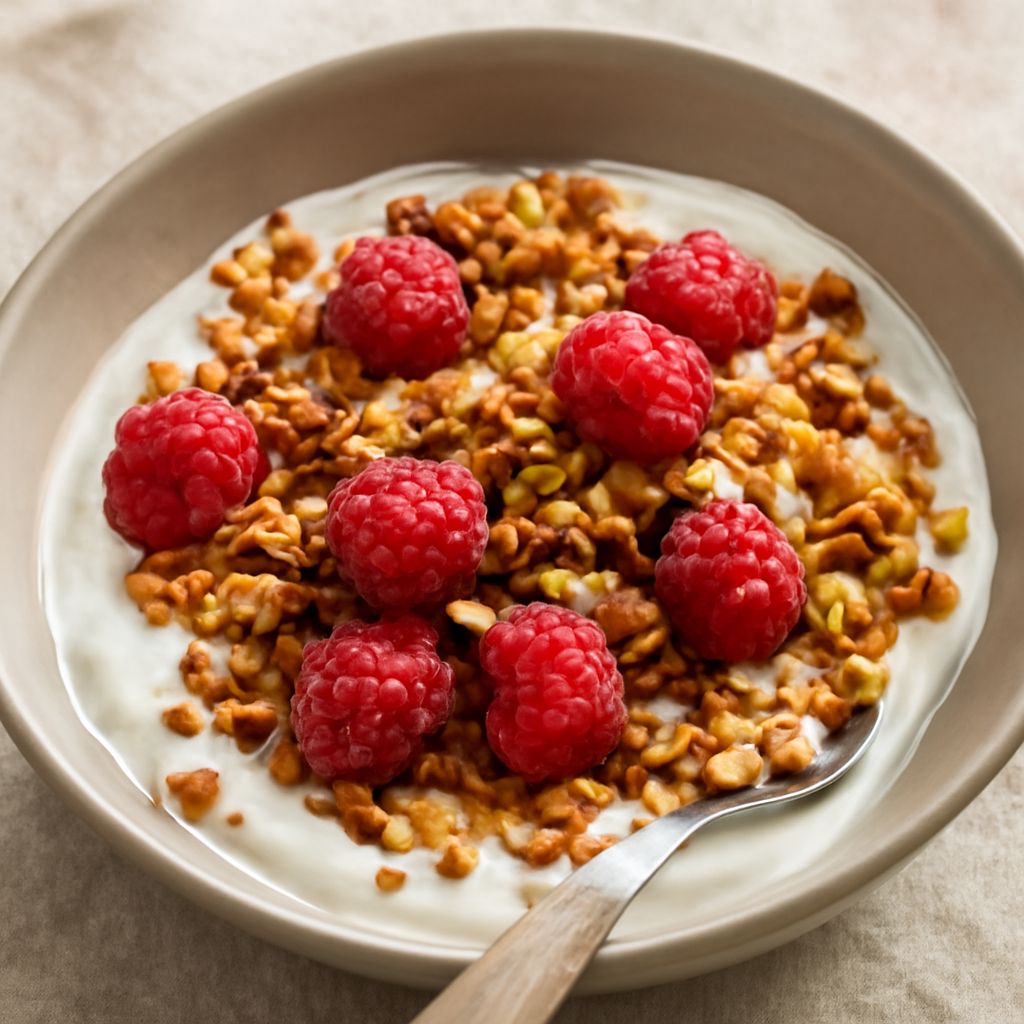
A single cup (245 g) of plain full-fat Greek yogurt delivers 17–20 grams of protein. Add a tablespoon of hemp seeds (3.3 g protein) and a handful of mixed nuts, and your bowl climbs to 25+ grams before you’ve touched your coffee. Top with berries for fiber and antioxidants. For a higher-calorie version aligned with muscle-building goals, stir in a tablespoon of almond butter and a drizzle of honey — this adds about 120–130 extra calories and another 4 grams of protein.
Cottage Cheese and Savory Toppings
Cottage cheese is one of the most underrated high-protein breakfast foods. A half-cup (113 g) serving of 2% cottage cheese packs 14 grams of protein for around 90 calories — an excellent trade-off. Go savory: top it with sliced cucumber, cherry tomatoes, everything bagel seasoning, and a drizzle of olive oil. This combination takes two minutes to assemble and feels far more substantial than a carb-heavy cereal bowl.
Protein Smoothies
A well-structured smoothie can hit 30–40 grams of protein without any eggs. Combine one scoop of whey or pea protein (20–25 g), a cup of unsweetened Greek yogurt (17 g), a tablespoon of nut butter (4 g), and a handful of spinach (negligible protein). Blend with unsweetened almond milk for a high fat low carb breakfast that’s ready in 3 minutes. For those pursuing high calorie breakfast ideas, add a tablespoon of MCT oil and a second nut butter scoop — this can push the smoothie to 600+ calories while keeping carbs moderate.
Smoked Salmon and Avocado Toast
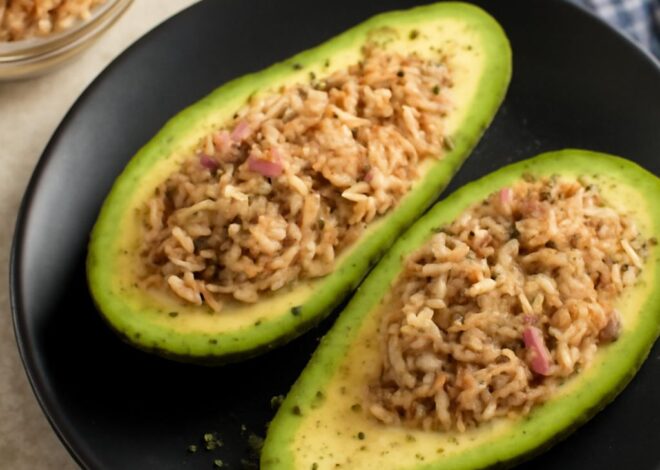
Three ounces (85 g) of smoked salmon provides 16 grams of protein alongside heart-healthy omega-3 fatty acids. Pair it with two slices of whole-grain or sourdough toast (6–8 g protein combined) and half an avocado for healthy fats. This breakfast hits approximately 450–500 calories, 25 grams of protein, and 20+ grams of fat — aligning well with a higher-fat, moderate-carb approach. Add capers and a squeeze of lemon for a restaurant-quality finish.
Tofu Scramble
For plant-based eaters seeking a direct egg substitute, a tofu scramble is the gold standard. Half a block (200 g) of firm tofu crumbled into a hot skillet with a teaspoon of oil provides 18 grams of protein. Season with turmeric (for color), garlic powder, nutritional yeast (adds a savory, cheesy flavor plus 2 g protein per tablespoon), salt, and black pepper. Add diced peppers and onions, cook for 5–7 minutes over medium-high heat until slightly golden, and serve immediately. Total prep and cook time: under 12 minutes.
Nut Butter and Seed Toast
Two tablespoons of natural almond or peanut butter on whole-grain toast delivers 7–8 grams of protein per tablespoon. Add a tablespoon each of chia seeds (2 g protein) and hemp hearts (3 g protein), and you’ve built a quick, 20+ gram protein breakfast with minimal effort. Drizzle with honey or sprinkle with cinnamon to complete the flavor profile. This combination also supplies fiber, omega-3s, and sustained energy from healthy fats — making it a solid high fat low carb breakfast option on lower-carb bread varieties.
Next Steps
Start by replacing one egg-based breakfast per week with one of these alternatives to gauge how your energy and satiety hold up. Track your protein intake for a few days — most people discover they’re under-consuming protein at breakfast when they move away from eggs. Once you’ve found two or three options that fit your taste and schedule, rotate them consistently to avoid flavor fatigue and maintain nutritional variety.