Facial Fat Transfer: What to Expect Before, During, and After
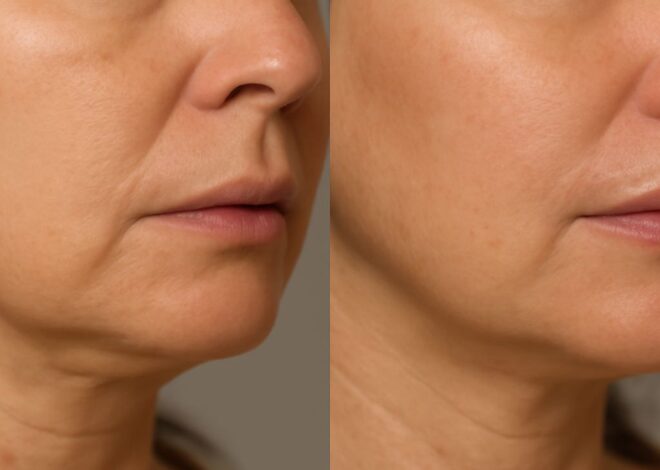
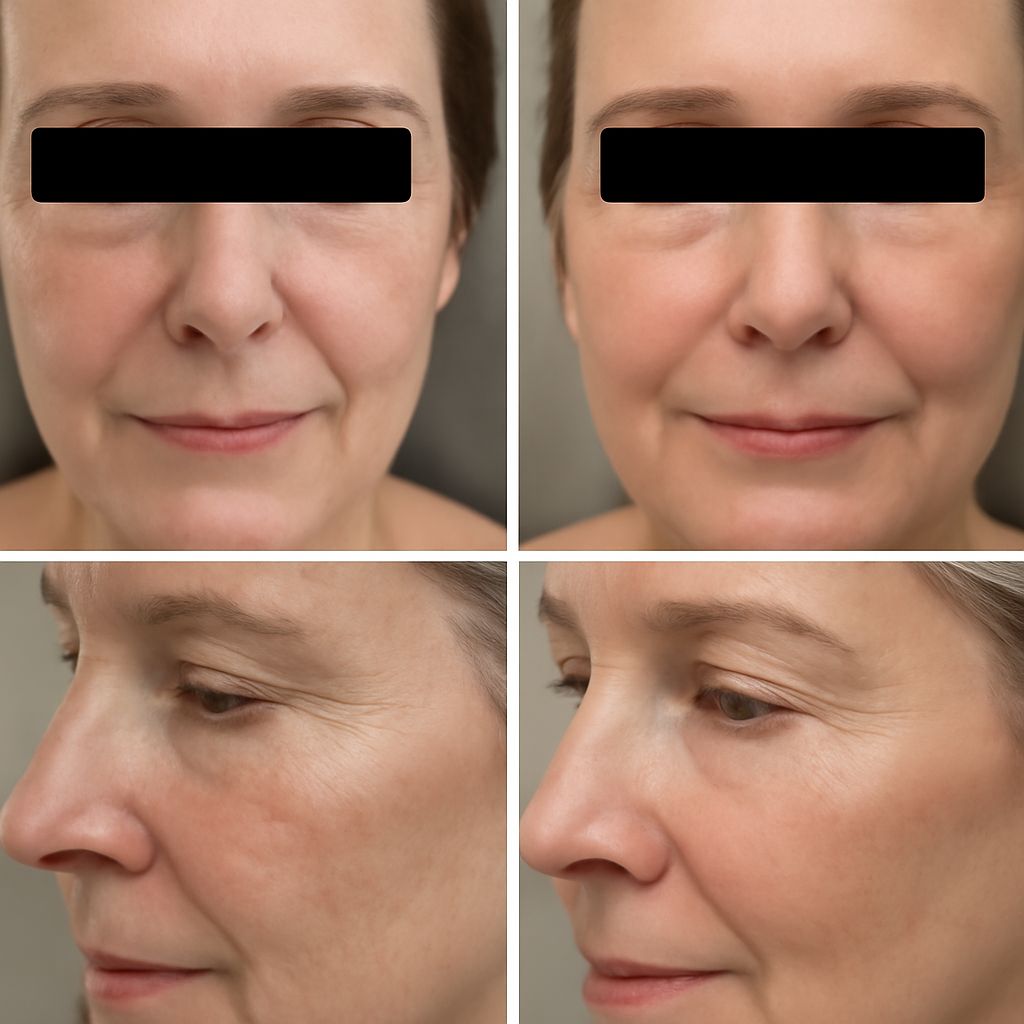
Facial fat transfer uses your own body’s fat to restore volume to areas of the face that have hollowed with age — the under-eye troughs, cheeks, temples, and nasolabial folds. Unlike dermal fillers that require repeat injections every 6–18 months, fat transfer to face provides a semi-permanent result using a natural material. Facial fat grafting combines two procedures into one: liposuction from a donor site (typically the abdomen, thighs, or flanks) and re-injection of processed fat into the facial target areas. Knowing what fat grafting face procedures actually involve — including recovery, longevity, and realistic outcomes — is essential before committing. Face fat transfer has become one of the more commonly requested procedures at facial plastic surgery practices, and for good reason: when performed by an experienced surgeon, the results look natural and last years.
This guide covers the procedure from consultation through long-term results, with practical information on what to expect at each stage.
How Facial Fat Transfer Works
The procedure has three phases:
- Harvesting: Fat is removed from the donor site using a small cannula under local anesthesia or sedation. Typically 50–150 mL of fat is removed, of which 20–50% survives the process to be usable for injection.
- Processing: Harvested fat is centrifuged or washed to separate viable adipocytes from oil, blood, and damaged cells. The resulting concentrated fat contains the live cells needed for long-term integration.
- Injection: Processed fat is injected in small aliquots using a blunt-tipped cannula into the target facial areas. Multiple passes in different tissue planes maximize the contact of injected fat with blood supply — essential for fat cell survival.
Fat Graft Survival Rate
Not all transferred fat survives the process. Typical survival rates are 50–70% of injected volume, meaning a surgeon who injects 10 mL into the cheeks may see 5–7 mL of lasting volume at six months. Surgeons overcorrect by 20–30% to account for expected resorption. The surviving fat integrates with local tissue and behaves like native fat — it fluctuates with body weight changes and ages naturally with your face.
Who Is a Good Candidate for Face Fat Transfer
The best candidates for fat transfer to face are people who:
- Have lost facial volume due to aging, weight loss, or illness
- Have adequate donor fat available (very lean individuals may have insufficient harvestable fat)
- Are non-smokers or willing to quit four to six weeks before and after surgery (smoking significantly reduces fat graft survival)
- Have realistic expectations — fat transfer provides natural volumization, not dramatic structural change
Recovery Timeline
Swelling is significant in the first one to two weeks — the face looks over-filled initially, which resolves as inflammation subsides and some resorption occurs. Most people return to social activities within 10–14 days. Final results are typically visible at three to six months, once all swelling has resolved and the surviving fat has integrated fully.
Donor site recovery (usually the abdomen or thighs) involves mild bruising and soreness for one to two weeks, similar to a small liposuction procedure.
How Long Results Last
Facial fat grafting results last many years — in some cases, a decade or longer — because the surviving fat is live tissue that maintains long-term viability. The longevity exceeds any dermal filler currently available. However, ongoing facial aging continues normally around the transferred fat, so some patients choose touch-up procedures five to ten years later as new areas of volume loss develop.
Pro tips recap: Choose a board-certified facial plastic surgeon with specific experience in fat grafting face procedures — the technique demands a higher skill level than standard filler injection. Avoid significant weight changes in the six months following face fat transfer, as rapid fat loss can reduce the graft volume and rapid gain can over-inflate treated areas.