Fat Fast Foods: Your Complete Guide to the Fat Fast Keto Protocol
You’ve hit a plateau on keto and someone suggests a fat fast. The term sounds contradictory at first — eating mostly fat to burn fat — but the logic behind fat fast foods is rooted in keto biochemistry. How to do a fat fast is actually quite specific: you eat 1,000–1,200 calories per day with 80–90% of those calories from fat, for two to five days maximum. Knowing how to fat fast correctly is the difference between breaking a stall and triggering a muscle-loss spiral. The fat fast diet has a narrow application, and using it outside that application does more harm than good.
The fat fast keto protocol was originally described by Dr. Robert Atkins for people who are metabolically resistant to ketosis — specifically those who don’t enter ketosis even at very low carbohydrate intake. For most keto dieters, it remains a tool of last resort for plateaus, not a standard phase of the diet.
What Is a Fat Fast
A fat fast is a short-term, very-low-calorie, high-fat eating protocol. The macro breakdown is typically:
- Fat: 80–90% of calories (88–120 g/day at 1,000 kcal)
- Protein: 10–15% of calories (25–45 g/day)
- Carbohydrates: Under 5% (less than 15 g/day)
The extremely high fat-to-everything-else ratio forces rapid elevation of blood ketones (beta-hydroxybutyrate), typically within 12–24 hours of starting the fat fast diet, even in people who were previously struggling to get into ketosis.
Approved Fat Fast Foods
The fat fast keto food list is intentionally limited. Foods that fit the macro requirements:
- Macadamia nuts: 21 g fat, 2 g protein, 1 g net carbs per oz — one of the closest single-food matches to the required macro ratio
- Cream cheese: 10 g fat, 2 g protein, 1 g carbs per oz
- Heavy whipping cream: 5.5 g fat, 0.3 g protein, 0.4 g carbs per tablespoon
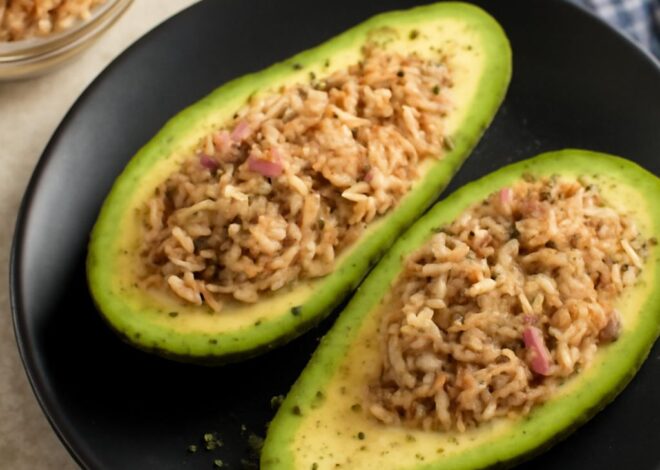
- Avocado: 22 g fat, 3 g protein, 2 g net carbs per 100 g
- Brie or high-fat soft cheeses: 8 g fat, 6 g protein per oz — slightly protein-heavy but workable in small amounts
- Egg yolks only: 5 g fat, 2.7 g protein per yolk (discard whites to keep protein low)
- Coconut oil or MCT oil: Pure fat, no protein or carbs, useful for mixing into coffee
How to Do a Fat Fast Safely
How to do a fat fast without causing harm requires strict time limits. No fat fast should extend beyond five days. Beyond that window, the protein intake is too low to preserve lean muscle mass — even the moderate muscle catabolism that occurs in 2–3 days is acceptable as a trade-off for the ketosis reset, but extending it multiplies the damage.
Eat four to five small meals per day rather than two or three large ones. Small, frequent fat-rich meals keep blood ketones elevated more consistently than large meals with long gaps. A typical four-meal structure: fat coffee at 7 am, macadamia nuts and cream cheese at 10 am, avocado with olive oil at 1 pm, brie with cucumber at 5 pm.
Expected Fat Fast Results
Fat fast results within the first 48 hours include a drop in water weight (glycogen depletion releases 2.6 g of water per gram of glycogen), elevated blood ketones (typically 1.5–3.0 mmol/L by day two), and reduced hunger as ketones suppress ghrelin. Most people report a scale drop of 2–4 lb in two to three days, though the majority of this is water rather than fat tissue.
Real fat loss at 1,000–1,200 kcal/day with a typical 2,000-calorie TDEE is about 100–150 g of actual body fat per day — modest, but the primary goal is ketosis restoration, not maximum fat burning.
Who Should and Should Not Use This Protocol
A fat fast is appropriate only for people who are already keto-adapted (have been following keto for at least four weeks) and are stuck in a genuine stall lasting more than three weeks. People who are not keto-adapted should not start with a fat fast — the standard ketogenic diet induction period is a more appropriate entry point.
Next steps: If you’re considering a fat fast, confirm you’re in a genuine plateau first — weigh yourself daily for two weeks and calculate the average. If the average weight hasn’t changed in 21 days despite accurate tracking, a two-to-three day fat fast may help restart ketosis. Keep the duration under five days, then return to your standard keto macros immediately.