Rendered Fat: What It Is, How to Do It, and Why It Matters in Cooking
You’ve heard the term in recipes and butchery guides, and you want a clear explanation. Rendered fat is animal fat that has been melted from solid form and separated from connective tissue and other solids through the application of heat. The process transforms raw fat, which is rubbery and unusable for cooking, into a liquid cooking fat that has high smoke points, exceptional flavor, and long shelf life. Rendering fat is a skill that used to be standard knowledge in home kitchens before processed cooking oils became ubiquitous.
When you render fat, you’re essentially doing low-temperature extraction: the fat cells break down and release their liquid fat content, which then separates from the non-fat tissue. Fat rendering produces two distinct products: the clarified liquid fat, which you use for cooking, and the crispy residue left behind, called cracklings or greaves depending on the animal source. Fat transfer to breast cost is an entirely different topic involving cosmetic surgery, but understanding how fat behaves physically, including why it separates cleanly when heated, shares some basic biology with culinary rendering.
Types of Animal Fat Suitable for Rendering
- Lard (pork fat): The most common rendered fat in traditional cooking. Leaf lard, from around the kidneys, is the highest quality. Back fat produces a more strongly flavored lard. Both have smoke points around 370°F.
- Tallow (beef fat): Rendered from suet (kidney fat) or trimmings. Has a higher smoke point than lard, around 420°F. Ideal for high-heat searing and deep frying. Tallow-fried potatoes are the standard for proper French fries in many traditions.
- Duck fat: Highly prized for its flavor and moderate smoke point of around 375°F. Produces the crispiest roasted potatoes of any cooking fat. Expensive to buy commercially but easy to render from duck skin and trimmings.
- Schmaltz (chicken fat): Traditional Jewish cooking fat rendered from chicken skin. Mild flavor, versatile, smoke point around 375°F.
- Goose fat: The richest poultry fat, similar to duck fat but with a more neutral flavor profile. Extremely good for roasting vegetables.
How to Render Fat at Home
The wet method is the most reliable for beginners:
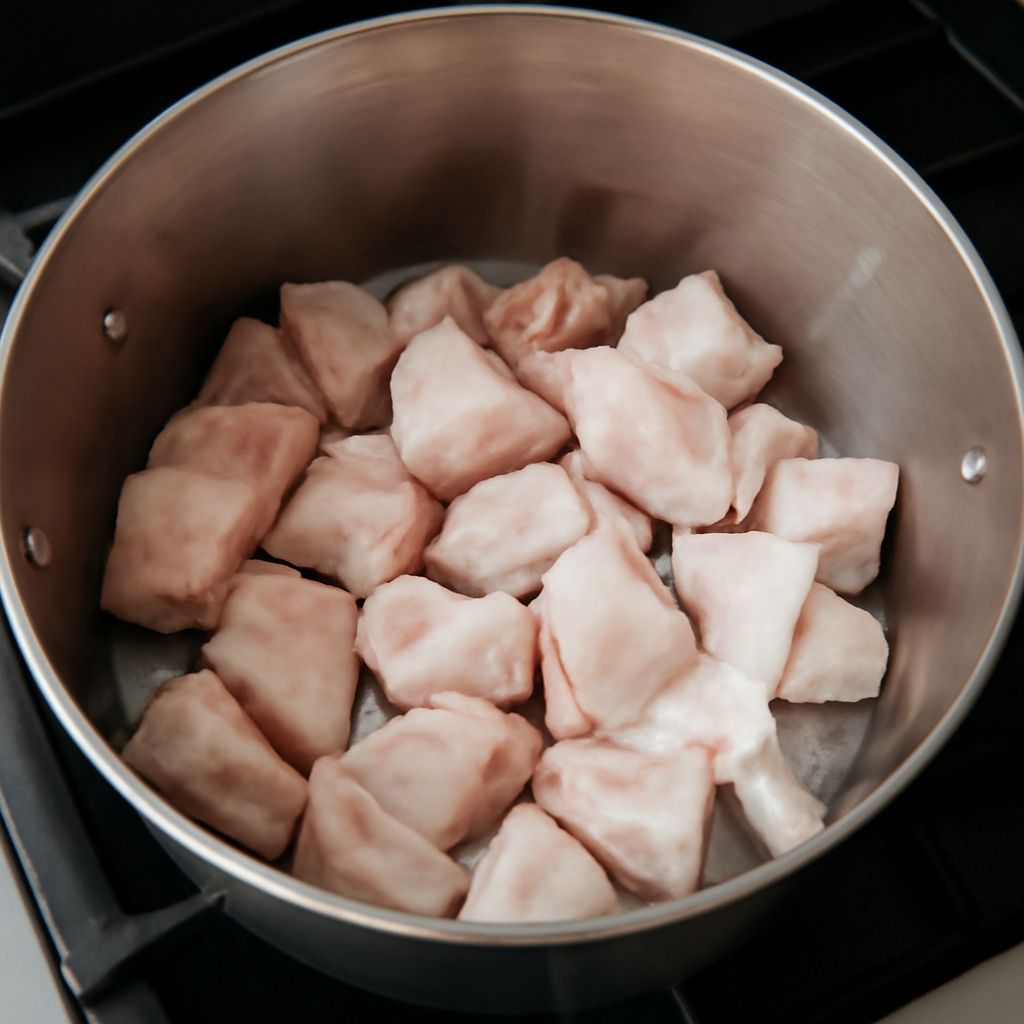
- Cut raw fat into small pieces, about 1-inch cubes. Smaller pieces render faster and more completely.
- Place in a heavy-bottomed pot or Dutch oven with 1/4 cup of water per pound of fat.
- Cook over the lowest possible heat. The water prevents scorching while it evaporates during the first 30 to 45 minutes.
- Stir occasionally. The fat will gradually melt and the water will evaporate, leaving clear liquid fat with solid cracklings.
- When the cracklings turn golden and begin to sink, the rendering is complete. Total time: 1.5 to 3 hours depending on fat volume and cut size.
- Strain through a fine mesh strainer or cheesecloth while still liquid. Pour into glass jars.
- Cool at room temperature, then refrigerate. Properly rendered fat keeps for three months in the refrigerator and a year in the freezer.
Dry Rendering
The dry method skips the water and uses low heat alone. It works but requires careful attention because scorching is more likely. Use a slow cooker on the low setting for four to six hours, or an oven at 225°F. The advantage is a slightly purer flavor. The disadvantage is less forgiveness if the heat gets too high.
How to Use Rendered Fat in Cooking
- Searing meat: Tallow’s high smoke point makes it ideal for cast iron searing without smoking up the kitchen.
- Roasting vegetables: Toss root vegetables in duck fat or lard before roasting. They brown faster and more evenly than with olive oil.
- Baking: Lard produces flakier pie crusts and biscuits than butter because of its higher fat content and different crystal structure.
- Frying: Traditional French fries cooked in beef tallow have a specific flavor and crispness that vegetable oil can’t match.
Nutritional Comparison
Rendered animal fats are primarily saturated and monounsaturated fats. Lard is approximately 45% monounsaturated (similar to olive oil), 40% saturated, and 15% polyunsaturated. Beef tallow is 50% saturated, 42% monounsaturated. Duck fat is 55% monounsaturated, 25% saturated. All animal fats are calorie-dense at approximately 115 to 120 calories per tablespoon, similar to any cooking oil.
Bottom line: Rendered fat is liquid cooking gold produced by slowly melting animal fat over low heat. Lard, tallow, and duck fat each bring specific flavor and smoke point characteristics that make them superior to refined vegetable oils for specific cooking applications. Render fat at home from inexpensive trimmings to get a premium cooking fat at a fraction of the retail price.