Protein Glycosylation Explained and Top 10 Whey Protein Picks
You’ve been reading supplement labels and came across the term glycosylated protein, or noticed a brand advertising that its product avoids certain processing methods to preserve protein integrity. Protein glycosylation is a real biochemical process — and understanding what it means can sharpen how you evaluate protein quality, particularly when comparing whey supplements. Meanwhile, narrowing down the top 10 whey protein options on the market comes down to a few measurable factors that cut through the marketing noise.
The glycosylation of proteins occurs naturally in the body and also during certain manufacturing processes. Glycosylated proteins behave differently than unmodified proteins in terms of digestion rate and biological activity. Whether glycosylated protein in a supplement is a concern depends on the context. Here’s what the science says and how it connects to making a better supplement choice.
What Protein Glycosylation Is
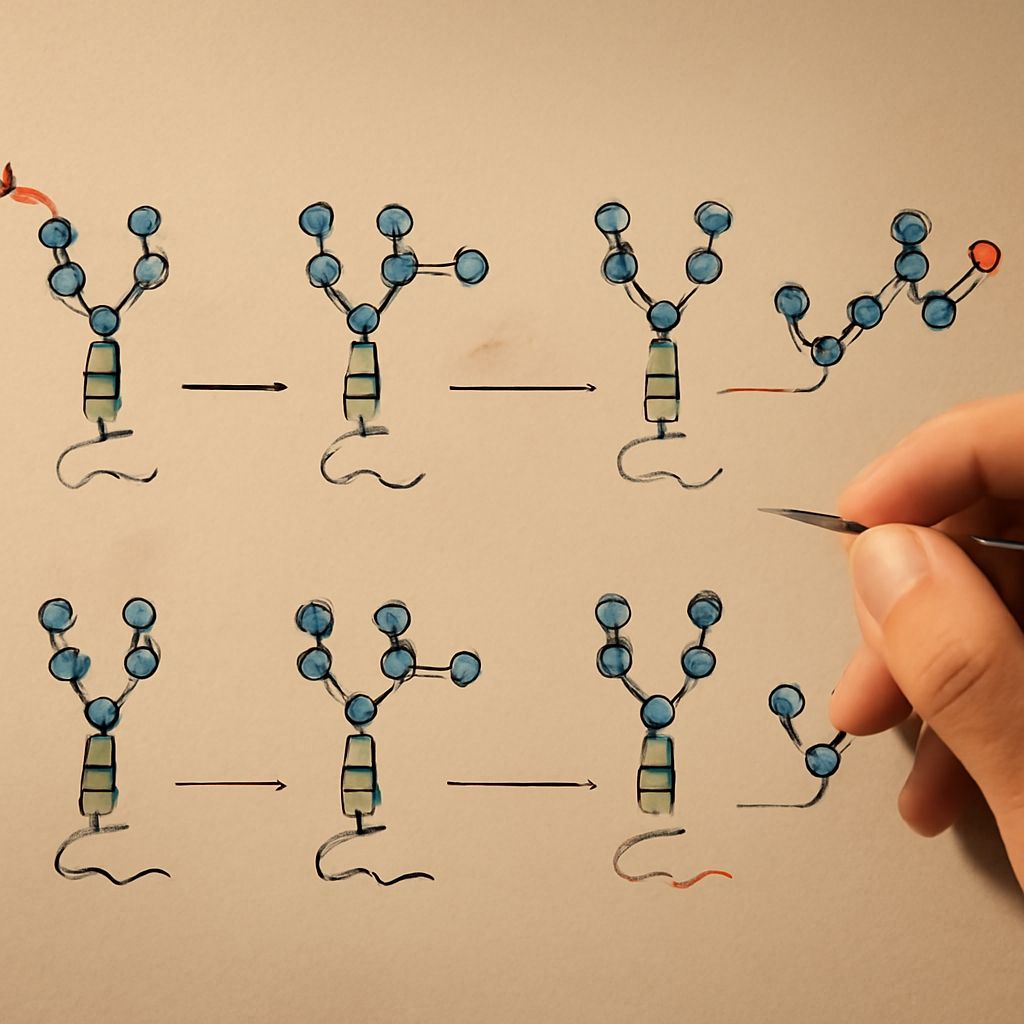
Protein glycosylation is the enzymatic or non-enzymatic attachment of sugar molecules (monosaccharides or polysaccharides) to amino acid residues in a protein chain. In the body, this process occurs in the endoplasmic reticulum and Golgi apparatus and is tightly regulated. N-linked glycosylation attaches sugars to asparagine residues; O-linked glycosylation attaches to serine or threonine residues. These modifications affect protein folding, stability, cell signaling, and immune function.
Glycosylation of proteins is central to many biological processes. Immunoglobulins (antibodies) are glycosylated proteins; their sugar chains affect how they bind to immune receptors. Collagen contains glycosylated residues that contribute to structural stability. Hormone receptors on cell surfaces are often heavily glycosylated to maintain their shape and ligand-binding capacity.
Non-Enzymatic Glycosylation and Food Processing
The process relevant to protein supplements is non-enzymatic glycosylation, also called glycation. This happens when reducing sugars react with free amino groups under heat — the Maillard reaction is the most familiar example (browning bread). In dairy processing, lactose can react with lysine residues in whey or casein proteins at high temperatures, reducing lysine’s bioavailability and changing the protein’s digestive profile.
High-temperature spray drying of whey protein can induce measurable glycation, particularly when lactose is present. Cold-processed or low-temperature-dried whey tends to have lower glycation levels, preserving more free lysine and better overall amino acid bioavailability. This is one reason why processing method matters when comparing whey protein quality.
Does Glycosylation in Whey Protein Matter for Athletes
For most people consuming standard amounts of protein (1 to 1.6 g per kg of body weight daily), the degree of glycation in a typical whey supplement is nutritionally minor. The lysine loss from moderate Maillard reaction products in a 30 g serving represents a small fraction of daily lysine needs. Where it matters more is in individuals consuming very high protein intakes, or in clinical nutrition contexts where precise amino acid delivery is important.
What athletes should care about more than glycation is the overall amino acid profile, leucine content (the primary trigger for muscle protein synthesis, ideally above 2.5 g per serving), biological value, and digestive tolerance. These factors have more practical impact on training outcomes than mild glycation levels.
What Makes a Whey Protein Worth Buying
Evaluating whey protein products comes down to five factors: protein content per serving (aim for at least 20 to 25 g), leucine content (2.5 g or above drives optimal muscle protein synthesis signaling), processing method (cold-process or micro-filtered tends to preserve protein fractions better), ingredient list simplicity (fewer additives is generally better), and third-party testing certification (NSF Certified for Sport, Informed Sport, or Banned Substance Controlled).
Concentrate, isolate, and hydrolysate differ in protein percentage and lactose content. Isolate is 90%+ protein by weight with minimal lactose. Concentrate runs 70 to 80% protein with more fat and lactose. Hydrolysate is pre-digested for faster absorption — useful post-workout, more expensive, and often bitter-tasting.
Top 10 Whey Protein Options Worth Considering
The following represent consistently well-reviewed options across independent testing and user experience: 1) Optimum Nutrition Gold Standard Whey (concentrate/isolate blend, widely available, consistent quality); 2) MyProtein Impact Whey Isolate (high protein per gram, minimal additives); 3) Thorne Whey Protein Isolate (NSF Certified, minimal ingredients, excellent mixability); 4) Transparent Labs Whey Protein Isolate (100% isolate, no artificial sweeteners, third-party tested); 5) Garden of Life Sport Whey (certified for sport, organic, grass-fed); 6) Dymatize ISO100 Hydrolyzed Whey (fast-absorbing, very high leucine); 7) NOW Sports Whey Protein (budget-friendly, NSF tested, reliable amino profile); 8) Legion Athletics Whey+ (isolate-based, natural flavors, third-party tested); 9) Ascent Native Fuel Whey (native whey isolate with minimal processing); 10) Kirkland Signature Whey Protein (Costco house brand, excellent value, passes independent testing).
Next Steps
If glycosylation in your current supplement concerns you, check whether the brand specifies cold-process or low-temperature manufacturing. For most athletes, switching to a whey isolate (lower lactose, higher purity) resolves both the glycation concern and any digestive sensitivity. Prioritize third-party testing certification above marketing claims — it’s the only objective verification that what’s on the label is actually in the product.