200 Calorie Snacks, Zero Calorie Soup, and Using a Printable Calorie Counter
You’re halfway through the afternoon and hunger is creeping in, but dinner is still two hours away. Reaching for the right option at this moment can either support your goals or quietly derail them. Smart 200 calorie snacks give you enough food to kill the craving without eating into tomorrow’s budget. And if you’ve been looking for something warm and filling that costs almost nothing calorically, zero calorie soup is worth understanding — it’s not magic, but it works for a specific reason.
Whether you’re trying low calorie pumpkin recipes for seasonal variety, experimenting with a negative calorie diet plan, or just want a printable calorie counter to track intake without staring at your phone, this guide covers all of it. Snacking smarter doesn’t require a complicated system — it requires knowing which foods give you the most return per calorie spent.
What Makes a 200 Calorie Snack Worth It
A 200-calorie snack that’s mostly sugar and refined carbs burns off in 45 to 60 minutes and leaves you hungrier than before. A 200-calorie snack built on protein, fiber, or healthy fat lasts two to three hours. The difference isn’t the calorie count — it’s what’s providing those calories.
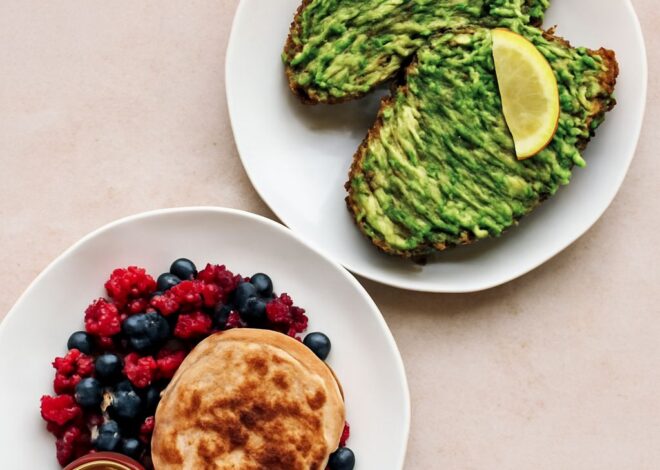
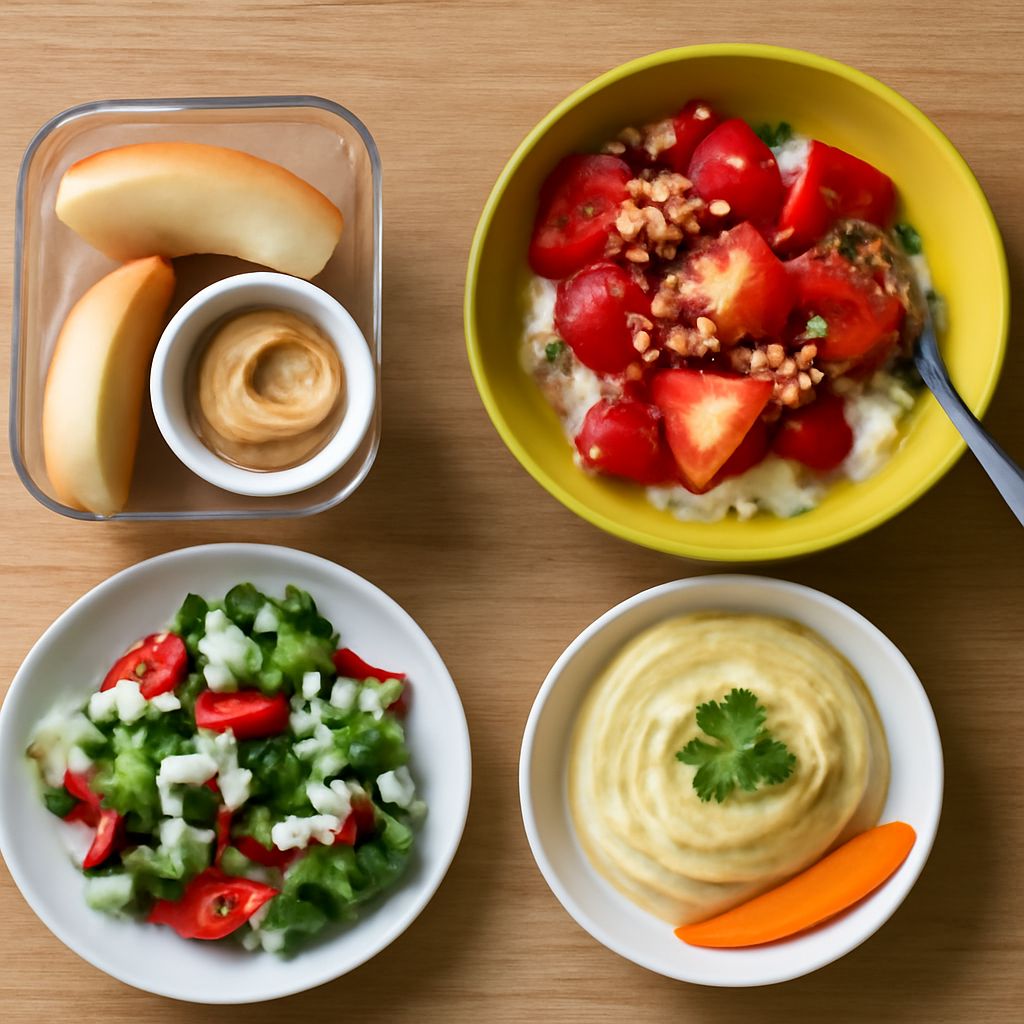
High-satiety options at or under 200 calories include: a hard-boiled egg with a small apple (about 130 calories), two tablespoons of almond butter on celery sticks (about 190 calories), 3/4 cup of plain Greek yogurt with a tablespoon of honey (about 150 calories), one ounce of mixed nuts (about 170 calories), or a slice of Ezekiel bread topped with half an avocado (about 175 calories).
Low Calorie Pumpkin Recipes for Seasonal Snacking
Canned pumpkin puree (not pie filling) runs about 40 calories per half cup and is high in fiber and vitamin A. Mixed into oat-based muffins with a touch of cinnamon and maple syrup, a two-muffin serving comes in around 160 calories. Blended into a smoothie with unsweetened almond milk and half a frozen banana, the total lands near 150 calories with a thick, dessert-like texture.
For a savory option, roasted pumpkin cubes tossed with olive oil and smoked paprika make a 100-calorie side that pairs well with lean protein. Low calorie pumpkin-based snacks work because the vegetable’s water and fiber content adds bulk without adding much to the total energy count.
Understanding Zero Calorie Soup
Zero calorie soup is a category of broth-based soups that contain so few calories that the thermic effect of digesting and absorbing the food nearly offsets the calorie content. True zero-net-calorie soups don’t exist in a strict sense, but very-low-calorie soups — under 30 to 40 calories per cup — function similarly.
A basic vegetable broth with celery, cucumber, spinach, and a small amount of garlic runs 15 to 20 calories per cup. The volume fills the stomach, signals satiety hormones, and buys 60 to 90 minutes before true hunger returns. This mechanism is well-documented in appetite research: liquid with solid particles delays gastric emptying more effectively than drinking plain water alongside a meal.
The Negative Calorie Diet Plan: What It Actually Means
A negative calorie diet plan is built on the idea that certain foods — celery, cucumbers, lettuce, zucchini — require more energy to chew and digest than they provide. The math doesn’t quite work out to true negative: celery is about 6 calories per stalk and requires only 0.5 calories to process. But the principle is useful.
Foods with very high water content and fiber create a high volume-to-calorie ratio, meaning you can eat a substantial quantity while staying well under any calorie target. A full cup of cucumber slices is 16 calories; a full cup of romaine lettuce is 8 calories. These foods make excellent volume-fillers when added to meals, making the overall dish feel more satisfying without significantly changing the calorie count.
Using a Printable Calorie Counter Effectively
A printable calorie counter lets you log meals without a phone and can be especially useful for people who find screen-based apps distracting or overly detailed. A well-designed paper tracker includes columns for meal, food item, portion size, calories, and optionally protein and fiber grams.
Print a weekly sheet and keep it on the counter or in a pocket. Recording immediately after eating — rather than reconstructing at the end of the day — increases accuracy significantly. Research on self-monitoring in weight loss studies consistently shows that people who track daily lose more weight than those who track occasionally, regardless of the tracking method used.
Building a Snack Routine That Works
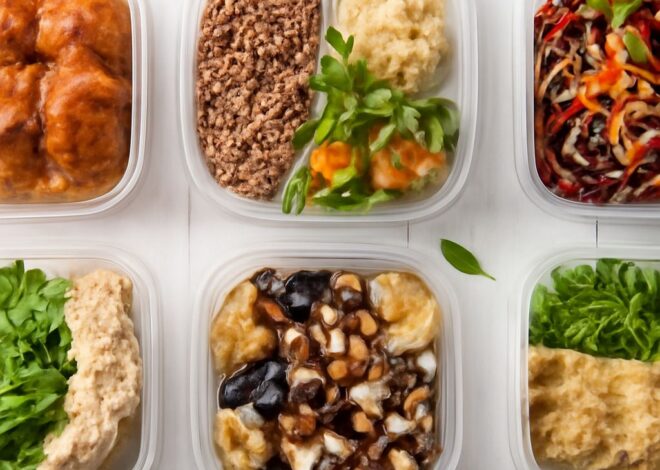
Schedule one to two snacks per day at fixed times rather than eating reactively when hunger spikes. At the planned snack time, choose from a short list of pre-approved 200-calorie options rather than scanning the kitchen open-endedly. Prepare snacks in advance where possible — pre-portioned nuts, pre-cut vegetables, yogurt containers — to reduce decision fatigue.
If you use the zero-calorie or near-zero-calorie soup approach, have it 20 to 30 minutes before the main snack or meal. The delay allows the satiety signal to register, which typically reduces the amount you eat during the subsequent meal by 10 to 15%.
Next Steps
Print a calorie counter sheet this week and use it for five days straight before evaluating. Pick three 200-calorie snack options that you actually enjoy and rotate them to avoid decision fatigue. If afternoon hunger is persistent, try a cup of low-calorie vegetable broth or cucumber water first — many afternoon cravings are partly dehydration. Small adjustments to snack timing and composition often produce measurable results within two to three weeks of consistent tracking.