Calories in Beer: Complete Guide by Style and Alcohol Content
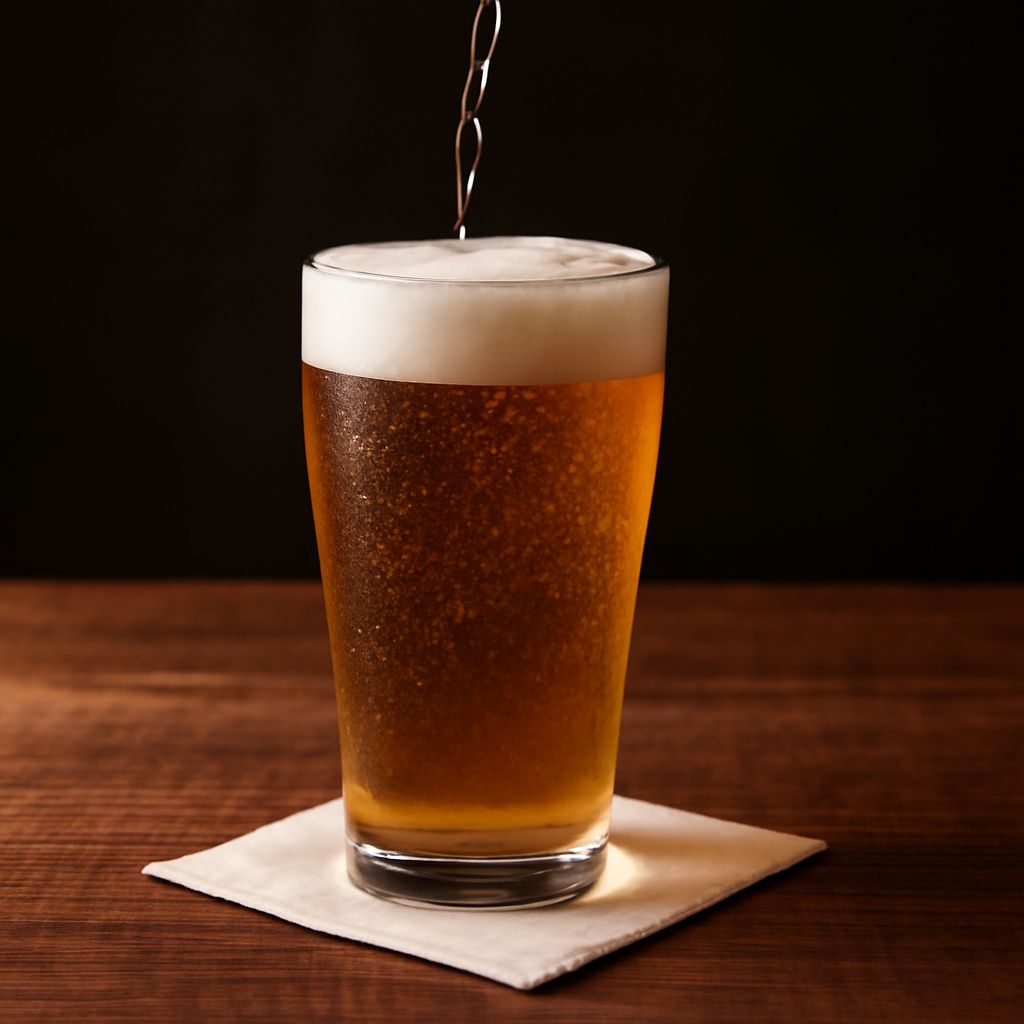
You’re at a bar scanning the tap list and trying to decide which beer fits your intake goals without just picking water. Calories in beer vary more than most people realize — a light lager can clock in under 100 calories while a double IPA approaches 350. How many calories in beer comes down to two primary variables: alcohol content and residual sugar. Understanding the mechanics behind calories beer puts you in control of the decision rather than guessing.
The calorie in beer calculation is straightforward once you understand what’s driving the number. Calories of beer per ounce are consistent within style categories, making it easy to estimate before drinking. Here’s the complete breakdown by style with specific brand examples.
What Drives Beer Calories
Two macronutrients contribute to beer calories: alcohol (7 calories per gram) and residual carbohydrates/sugars (4 calories per gram). Protein is present in trace amounts and contributes minimally. Fat is essentially zero. A beer’s calorie count is therefore determined almost entirely by how much alcohol survived fermentation and how much sugar remained unfermented.
Higher-ABV beers have more calories from alcohol. Beers with significant residual sweetness (some stouts, fruit beers, Belgian ales) have additional calories from unfermented sugars. Dry, fully fermented styles have fewer residual sugars even at higher ABV — this is why a dry Irish stout like Guinness has surprisingly moderate calories (approximately 125 per 12 oz) despite its rich appearance.
Light Lagers and Ultra-Light Beers
The lowest calorie options in the market: Bud Select 55 — 55 calories, 1.9 g carbs, 2.4% ABV. Miller 64 — 64 calories, 2.4 g carbs, 2.8% ABV. Michelob Ultra — 95 calories, 2.6 g carbs, 4.2% ABV. Miller Lite — 96 calories, 3.2 g carbs, 4.2% ABV. Coors Light — 102 calories, 5 g carbs, 4.2% ABV. Bud Light — 110 calories, 6.6 g carbs, 4.2% ABV. This category is the lowest available for standard beer, and the calorie differences between Michelob Ultra, Coors Light, and Bud Light are modest.
Standard Lagers and Ales
Budweiser (regular) — 145 calories, 10.6 g carbs, 5% ABV. Heineken — 142 calories, 11 g carbs, 5% ABV. Modelo Especial — 143 calories, 13.6 g carbs, 4.4% ABV. Corona Extra — 148 calories, 14 g carbs, 4.6% ABV. Sierra Nevada Pale Ale — 175 calories, 14 g carbs, 5.6% ABV. Dogfish Head 60 Minute IPA — 200 calories, 16 g carbs, 6% ABV.
Craft Beer Calories: IPAs, Stouts, and Sours
Craft beers with higher ABV and complex fermentation profiles carry more calories: New Belgium Fat Tire (Amber Ale) — 151 calories, 5.2% ABV. Lagunitas IPA — 197 calories, 6.2% ABV. Sierra Nevada Celebration IPA — 215 calories, 6.8% ABV. Oskar Blues Old Chub (Scottish Ale) — 246 calories, 8% ABV. Dogfish Head 90 Minute Imperial IPA — 290 calories, 9% ABV. Sam Adams Triple Bock — 340+ calories (17.5% ABV). Russian imperial stouts and barleywines at 10%+ ABV regularly exceed 300 to 400 calories per 12 oz.
How to Estimate Unfamiliar Beers
A simple rule of thumb for estimating calories of beer when label data isn’t available: multiply ABV percentage by 25 to get approximate calories per 12 oz. A 5% ABV beer: ~125 calories. A 7% ABV beer: ~175 calories. A 10% ABV beer: ~250 calories. This estimate skews low by 10 to 30 calories for sweeter styles and runs close to accurate for dry, well-fermented styles.
Tracking Beer in a Calorie Budget
Two light beers (Michelob Ultra): 190 calories, 5.2 g carbs. Two standard lagers (Budweiser): 290 calories, 21.2 g carbs. Two craft IPAs (Dogfish Head 60 Min): 400 calories, 32 g carbs. Two double IPAs (9%+ ABV): 580+ calories. For context: two drinks of the lightest option uses the same calorie budget as a large apple and a cup of Greek yogurt — manageable. Two double IPAs use the budget of a full dinner entrée. The style choice is as important as the quantity choice when tracking intake.
Next Steps
Before your next social event, look up the ABV of the beers you’re likely to encounter and use the ABV × 25 formula to estimate calories before ordering. Defaulting to lighter lagers (Michelob Ultra or Miller Lite) as your baseline and upgrading occasionally to a single craft beer you really want keeps total intake predictable without eliminating enjoyment.