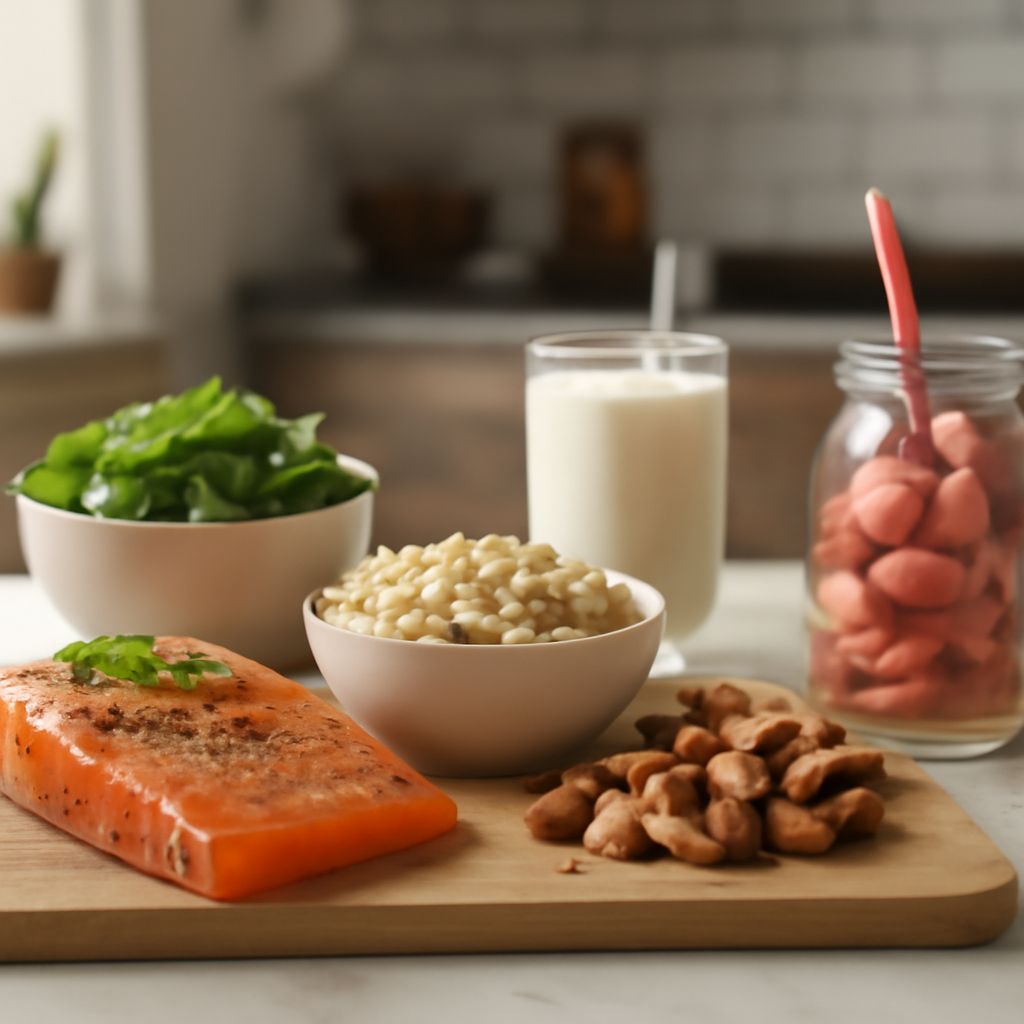
Do Protein Shakes Make You Poop? The Truth About Protein Powder Diarrhea
You’ve started drinking protein shakes daily to hit your fitness goals, and within a few days you notice something has changed in the bathroom. Do protein shakes make you poop more than usual? For many people, the answer is yes, and understanding why helps you adjust your routine to get the benefits without the discomfort. Protein shits is the blunt term that gets searched by people experiencing the same frustration, and it’s a real phenomenon worth addressing directly.
The causes behind protein powder diarrhea vary by product, quantity, and individual gut makeup. Whey protein upset stomach complaints are the most common because whey is dairy-derived, and lactose intolerance is far more prevalent than most people realize. If you’re experiencing protein diarrhea regularly after drinking shakes, this article identifies the most likely culprits and the practical fixes that work for most people within a week of implementation.
Why Protein Shakes Can Trigger Digestive Issues
High-protein intake challenges the digestive system in ways that carbohydrates and fats do not. Protein requires more stomach acid and digestive enzymes for breakdown. When you consume large amounts quickly, as happens with a 50-gram protein shake chugged before a workout, the digestive system may not keep pace. Undigested protein passes into the colon, where gut bacteria ferment it and produce gas, bloating, and loose stools. The speed of consumption matters: drinking a shake over 10 to 15 minutes causes fewer digestive problems than drinking it in 60 to 90 seconds.
Lactose Intolerance and Whey Protein Upset Stomach
Standard whey protein concentrate contains 4 to 8 percent lactose. For people with any degree of lactose intolerance, even this relatively small amount can trigger cramping, gas, and diarrhea within 30 to 90 minutes of consumption. Whey protein isolate, in contrast, contains less than 1 percent lactose because the filtration process removes most of the dairy sugar. If you experience whey protein digestive issues with a concentrate product, switching to an isolate version often resolves symptoms entirely within a week. Casein protein, another dairy derivative, contains similar lactose levels to concentrate and causes similar problems in lactose-sensitive individuals.
Artificial Sweeteners and Protein Diarrhea
Many protein powders contain sugar alcohols like sorbitol, xylitol, or erythritol as sweeteners. These compounds are only partially absorbed in the small intestine. The remainder travels to the colon, where osmotic action draws water into the gut and stimulates rapid transit. This is the same mechanism that makes sugar-free gummy bears infamous. Sorbitol and xylitol are particularly potent; as little as 10 to 15 grams can cause loose stools in sensitive individuals. Erythritol is better tolerated but still contributes at high doses. Reading the label for sugar alcohol content before purchasing a protein powder is one of the most effective preventive steps.
Too Much Protein at Once: Quantity Matters
The human gut can absorb roughly 20 to 40 grams of protein per meal efficiently, though this varies by individual and protein source. Consuming 60 to 80 grams in a single shake overwhelms the absorptive capacity of the small intestine. The excess passes through, and bacterial fermentation in the colon produces byproducts that irritate the gut lining and speed transit time. Splitting your protein intake across more meals, using 25 to 30 grams per serving rather than 50-plus, reduces the chance of protein powder diarrhea significantly. Pairing protein with food rather than consuming it as a standalone liquid also slows absorption and improves tolerance.
Solutions That Actually Work
If you’re currently dealing with protein shits regularly, these adjustments address the root causes rather than just masking symptoms. First, switch from whey concentrate to whey isolate or a plant-based protein like pea or rice protein, which are naturally lactose-free and generally better tolerated. Second, read labels for sugar alcohol content and avoid products listing sorbitol or xylitol. Third, reduce serving size to 25 to 30 grams and split daily intake across two or three servings. Fourth, drink shakes more slowly and with food when possible. Fifth, consider adding a probiotic supplement; strains like Lactobacillus acidophilus and Bifidobacterium longum improve gut tolerance to high-protein diets within 2 to 4 weeks of daily use.
When to See a Doctor
Occasional loose stools when starting a high-protein diet or new supplement are common and usually self-resolving within 5 to 7 days as the gut adapts. But if diarrhea is severe, contains blood, persists beyond two weeks despite formula changes, or is accompanied by significant abdominal pain or fever, those are reasons to consult a gastroenterologist. Irritable bowel syndrome, inflammatory bowel disease, and bacterial overgrowth can all be triggered or worsened by abrupt dietary protein increases. A stool test and basic bloodwork can rule out underlying conditions that might be making protein powder diarrhea worse than it needs to be.
Key takeaways: Protein powder diarrhea is caused primarily by lactose in whey concentrate, sugar alcohols used as sweeteners, and overwhelming the gut’s absorption capacity with large single doses. Switching to whey isolate or plant protein, reducing serving size, and reading ingredient labels for sugar alcohols resolves most cases within a week. Persistent severe symptoms warrant a medical evaluation to rule out underlying conditions.