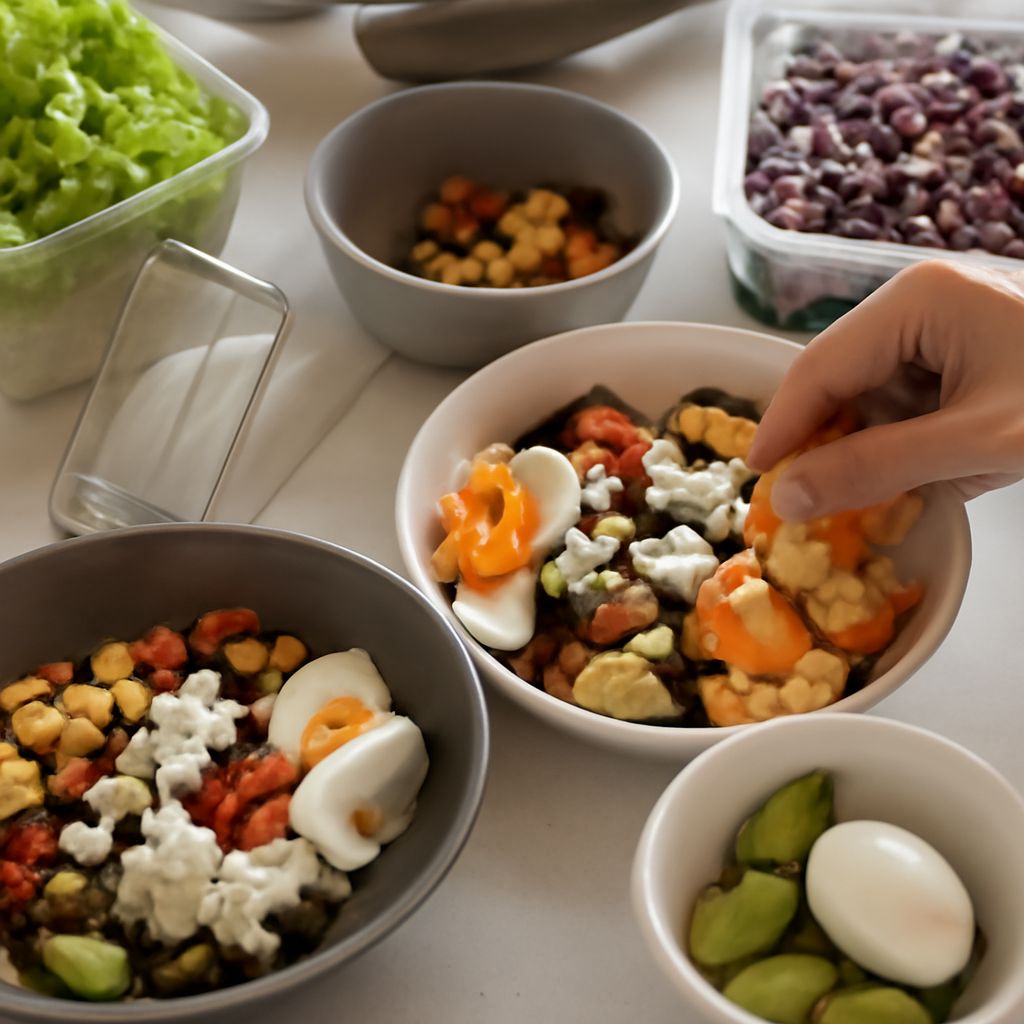
Do Carbs Make You Tired? Understanding Why Carbs Make You Sleepy
You eat a sandwich at lunch, sit back down at your desk, and within 20 minutes your eyes feel heavy and your focus goes blurry. You’ve probably wondered: do carbs make you tired, or is that just coincidence? The truth is that carbohydrates do influence energy levels, but the mechanism is more nuanced than most people realize. Understanding why you feel sleepy after eating carbs can help you make smarter food choices and stay alert through the afternoon.
The question isn’t whether do carbs make you sleepy in some universal way, but rather which types and quantities trigger that response. Refined carbs cause sharper blood sugar spikes than whole-grain alternatives, and the crash following those spikes is what most people experience as that dragging, heavy feeling. If you’ve said carbs make me sleepy after every high-starch meal, there are specific physiological reasons that explain your reaction, and specific strategies to address it.
The Blood Sugar Spike and Crash Cycle
When you eat carbohydrates, your body breaks them down into glucose and releases it into the bloodstream. Your pancreas responds by secreting insulin to shuttle that glucose into cells. Refined carbs like white bread, pasta, and sugary snacks cause blood glucose to rise steeply within 30 to 60 minutes, prompting a large insulin surge. Once insulin clears the glucose, blood sugar can dip below baseline, triggering fatigue, difficulty concentrating, and hunger again. That trough is the physiological reason why feeling sleepy after eating carbs follows a high-glycemic meal almost predictably. Whole grains, legumes, and vegetables release glucose more gradually, producing a gentler insulin response and avoiding the sharp drop.
Tryptophan, Serotonin, and the Fatigue Connection
Carbohydrate consumption triggers a lesser-known mechanism involving the amino acid tryptophan. When insulin rises, it drives competing amino acids into muscle tissue, leaving tryptophan a clearer path to cross the blood-brain barrier. Once in the brain, tryptophan converts to serotonin, a calming neurotransmitter, and eventually to melatonin, which promotes sleep. This pathway partially explains why some people feel relaxed or drowsy after a carbohydrate-heavy meal. The effect is modest from a single meal but can be significant at larger portions, which is why a large pasta dinner reliably leaves people wanting a couch rather than a walk.
Glycemic Index and Which Carbs Hit Hardest
Not all carbohydrates behave the same. The glycemic index ranks foods by how quickly they raise blood glucose. Foods with a GI above 70 include white rice, instant oatmeal, and most commercial bread. These cause rapid rises. Foods below 55, including lentils, most fruits, and whole-grain bread, produce a slower, flatter glucose curve. If you consistently notice carbs make you sleepy, start tracking which specific foods precede the crash. White-flour products and sugary drinks are the most common culprits. Swapping just two of those items per day for lower-GI alternatives reduces postmeal fatigue noticeably within two to three weeks.
Meal Timing and Portion Size Matter
The size of a carbohydrate portion amplifies the blood sugar response. A 200-calorie serving of pasta behaves differently than a 600-calorie one, even if both are whole-grain. Large carbohydrate loads demand more insulin and are more likely to produce a rebound drop. Eating smaller, more frequent meals keeps glucose levels steadier throughout the day. If your current lunch includes more than 60 to 80 grams of carbohydrates at once and you feel sluggish afterward, try cutting that portion by one-third and adding protein or fat to the meal. That combination slows gastric emptying and flattens the glucose curve.
The Role of Fat and Protein in Slowing the Carb Effect
Pairing carbohydrates with protein and healthy fat is one of the most practical ways to avoid feeling sleepy after eating. Fat delays gastric emptying, meaning carbohydrates enter the small intestine and bloodstream more slowly. Protein blunts the insulin response because it stimulates glucagon, a hormone that counteracts insulin’s blood-sugar-lowering effect. A meal of chicken, olive oil, vegetables, and a small portion of brown rice produces far less postmeal fatigue than a bowl of white rice alone. This is not anecdotal. Studies consistently show that mixed meals stabilize blood glucose better than high-carb, low-protein meals.
Practical Swaps to Stay Alert After Meals
You do not need to eliminate carbohydrates to avoid the tired feeling. Replace white bread with sourdough or whole-grain rye. Swap white rice for cauliflower rice or a blend of brown rice and quinoa. Add a protein source to every carbohydrate-containing meal: eggs at breakfast, a handful of nuts at snack time, fish or legumes at dinner. Stay hydrated, because dehydration amplifies fatigue and is often mistaken for a carb-induced crash. A 10-minute walk after lunch improves insulin sensitivity and reduces postmeal blood sugar spikes by up to 30 percent in most people.
When to Speak to a Doctor
Occasional postmeal drowsiness is normal. But if you feel severely fatigued after nearly every meal, struggle to stay awake in the afternoon despite adequate sleep, or experience shakiness and sweating that accompany the carb crash, those signs may point to insulin resistance, reactive hypoglycemia, or prediabetes. A fasting glucose test and a two-hour postmeal glucose test can clarify whether your carbohydrate fatigue is within normal range or signals a metabolic issue that needs attention.
Key takeaways: Carbohydrates cause fatigue primarily through blood sugar spikes and crashes, as well as the tryptophan-serotonin pathway. Refined, high-glycemic carbs produce the strongest effect. Pairing carbs with protein and fat, reducing portion sizes, and choosing lower-GI foods are the most effective strategies for staying alert after meals.