1600 Calories a Day: Meal Plans for Steady Fat Loss
Eating 1600 calories a day sits in a realistic range for fat loss for most adults, and it’s sustainable enough that people actually stick to it beyond two weeks. If you’ve searched for a 1600 calorie meal plan pdf, you know there are hundreds of options out there, many of them packed with foods that are hard to find or expensive. This guide gives you the framework instead—meal structures you can slot your preferred foods into. For those with smaller frames or lower activity levels, a 1400 calorie diet plan using the same structure works by simply reducing portion sizes at one or two meals. The 1600 calorie meal plan pdf format here is designed for printability and easy weekly prep.
Who should eat 1600 calories
1600 calories a day works well for moderately active women trying to lose weight at about half a pound per week, and for sedentary men in the same goal bracket. A woman who is 5’5″, 155 pounds, and walks 30 minutes daily has a maintenance calorie level of roughly 1,900 to 2,000 calories. A 400-calorie deficit puts her at 1,600. A sedentary man at the same weight might maintain at 2,100 calories, making 1,600 a 500-calorie deficit. If you’re already quite lean, training hard, or under 130 pounds, 1,600 may be too low and 1,400 calorie meal plan pdf territory might be too aggressive—you’d want to recalculate based on your specific TDEE.
Sample 1600 calorie day
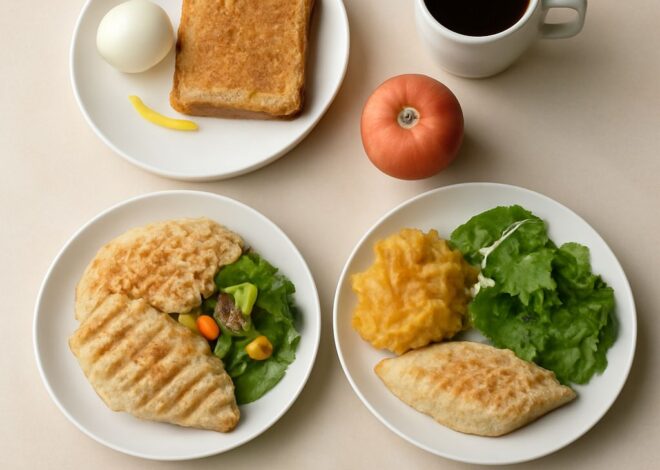
Breakfast (400 cal): Two eggs scrambled with one cup spinach and one slice whole grain toast with half an avocado. Coffee or tea with a splash of milk.
Snack (150 cal): One cup Greek yogurt with a tablespoon of chia seeds.
Lunch (450 cal): Large salad with four ounces of grilled chicken, one cup cherry tomatoes, half a cup of chickpeas, olive oil and lemon dressing (one tablespoon oil).
Snack (100 cal): One medium apple or two rice cakes.
Dinner (500 cal): Five ounces salmon, one cup roasted broccoli with one teaspoon olive oil, half a cup of cooked quinoa.
Total: approximately 1,600 calories with 130g protein, 150g carbs, 55g fat.
1400 calorie plan option
Dropping to a 1400 calorie diet plan uses the same structure with smaller portions at lunch and dinner. Reduce the chicken at lunch to three ounces (saving about 70 calories) and swap the salmon dinner to four ounces (saving about 60 calories). Cut the quinoa to a third cup (saving another 40 calories). These changes bring the total to roughly 1,430 calories. This works for shorter women or those in a more aggressive deficit phase, but shouldn’t be maintained beyond six to eight weeks without a scheduled maintenance week to prevent metabolic adaptation.
Macro targets
At 1,600 calories, target at least 120 to 140 grams of protein to preserve muscle during a deficit. Protein has the highest thermic effect of any macronutrient, so eating more of it actually increases how many calories you burn digesting food. Keep fat above 40 grams to support hormone function—going too low on fat disrupts cortisol and reproductive hormone production. Remaining calories fill from carbohydrates, prioritizing fiber-rich sources like vegetables, legumes, and whole grains over refined options.
Meal prep tips
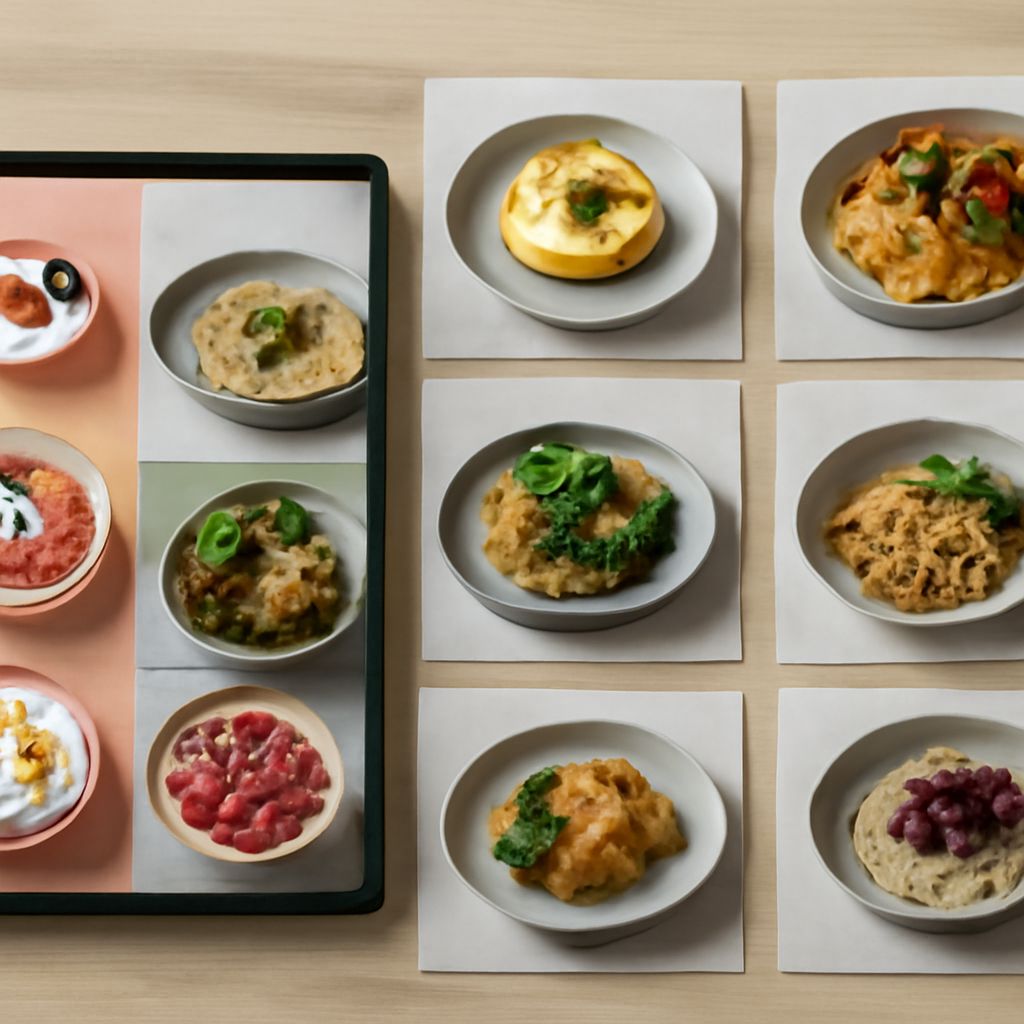
Batch cooking makes 1600 calories a day easy to hit without tracking every meal fresh. Cook two pounds of chicken at the start of the week, portion into four-ounce servings, and refrigerate. Prep a large batch of roasted vegetables. Cook a pot of quinoa or farro. With components ready, assembling meals takes under five minutes and prevents the calorie creep that happens when you improvise meals from scratch while hungry. Weigh proteins raw on a food scale for accuracy—cooked chicken varies significantly in weight depending on moisture loss.
Key takeaways: 1600 calories a day creates a sustainable deficit for most moderately active adults and delivers about half a pound of fat loss weekly. Use the 1400 calorie diet plan structure for a smaller frame or more aggressive phase. Prioritize protein at each meal and prep components in batches to make hitting your target automatic.