Reduced Fat Cheddar Cheese: Calories, Nutrition, and When It’s Worth It
Cheese is one of the most calorie-dense foods per ounce, which is why the reduced fat cheddar cheese category exists. A standard ounce of regular cheddar has 113 calories and 9 grams of fat. Reduced fat cheddar cuts those numbers to about 80 calories and 5 grams of fat per ounce. Fat free feta cheese takes this further, delivering a tangy option at around 30 calories per ounce with zero fat. Cotija cheese calories sit at roughly 100 to 110 per ounce—similar to regular cheddar, not reduced fat—but it’s worth knowing for context. Cheese bagel calories often surprise people: a typical everything bagel with full-fat cheddar spread can hit 450 to 550 calories before any protein. Beef and cheddar calories in a fast food context (Arby’s Beef and Cheddar sandwich) run 450 to 530 calories per sandwich. Understanding these numbers helps you decide when reduced fat versions make sense and when they don’t.
What reduced fat cheddar actually is
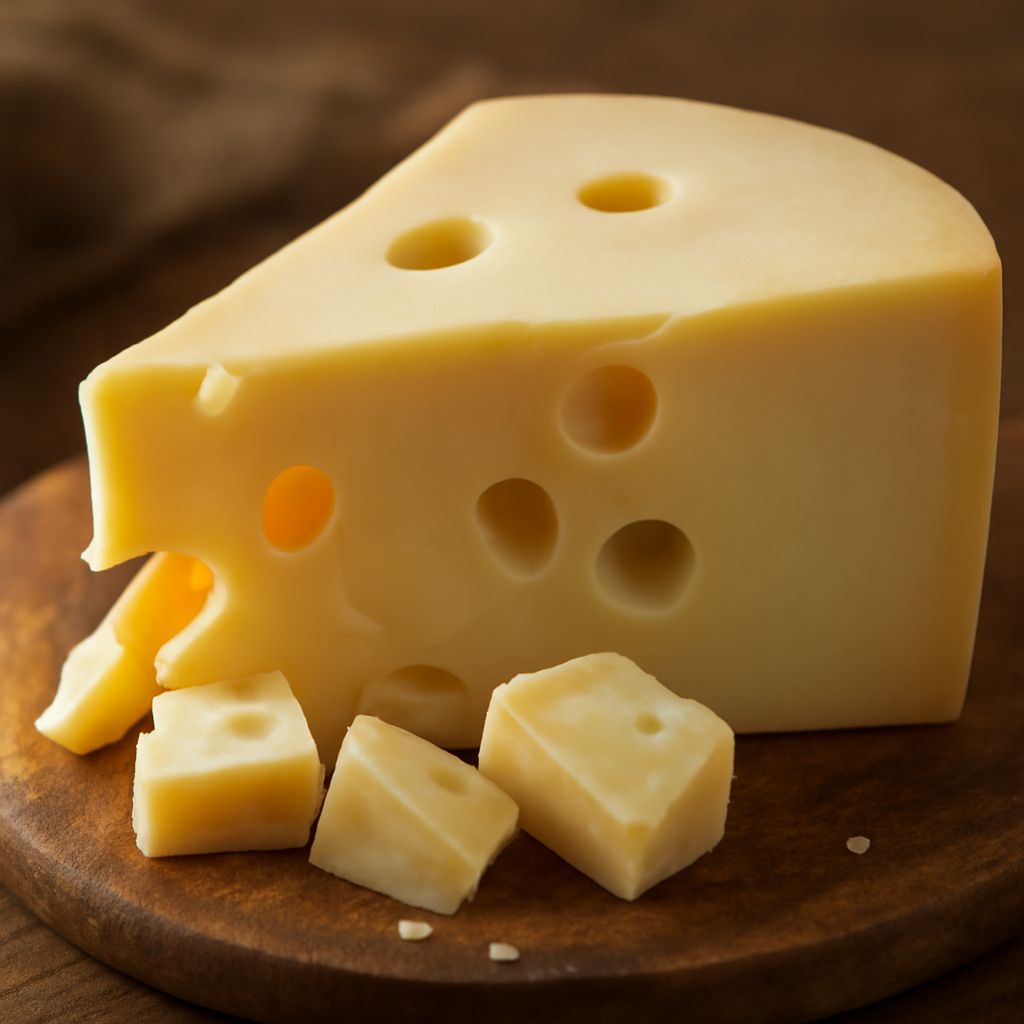
Reduced fat cheddar cheese starts with the same production process as regular cheddar but uses partially skimmed milk rather than whole milk. The fat content drops from 9 grams per ounce to 4 to 5 grams, which qualifies it for the “reduced fat” label under FDA guidelines (at least 25% less fat than the regular version). The texture is firmer and less creamy than regular cheddar, and the melt is less smooth. Many cooks find it doesn’t melt as well on pizza or in grilled cheese sandwiches—the lower fat content changes the protein-fat balance that creates the characteristic melt.
Nutrition comparison: reduced fat vs regular vs fat-free
Per 1 ounce (28g):
Regular cheddar: 113 cal, 9g fat, 7g protein, 0.4g carbs
Reduced fat cheddar: 80 cal, 5g fat, 9g protein, 1g carbs
Fat free cheddar (slices): 40–45 cal, 0g fat, 7g protein, 2g carbs
Fat free feta cheese: 30 cal, 0g fat, 5g protein, 1g carbs
Cotija cheese: 100–110 cal, 8g fat, 6g protein, 1g carbs
The protein is higher in reduced fat cheddar than regular, which is useful if protein is a priority. Fat-free versions are the most calorie-efficient but have the largest taste and texture gap from regular cheese.
When to use reduced fat cheddar
Reduced fat cheddar makes the most sense when cheese is one of many ingredients—in an omelet, mixed into a casserole, tossed into a salad, or sprinkled on soup. In these contexts, the texture difference is minimized and you save 33 to 40 calories per ounce without meaningfully affecting the dish. It’s less ideal as a standalone snack or on cheeseburgers, where the full-fat version’s flavor and creaminess are the point. Cheese bagel calories can be trimmed by 50 to 80 calories per serving by using reduced fat cheddar in the topping.
Fat free feta and cotija as alternatives
Fat free feta cheese works surprisingly well as a salad topping, crumbled on eggs, or mixed into grain bowls. At 30 calories per ounce, it adds a sharp, salty punch with minimal calorie cost. The texture is crumbly rather than creamy, which limits its applications but makes it excellent wherever you want punch without richness. Cotija cheese calories are higher (similar to regular cheddar), but its intense saltiness means you use less. A tablespoon of crumbled cotija on tacos or salads adds 30 to 35 calories with significant flavor impact—an efficient use of calorie budget.
Beef and cheddar context
Beef and cheddar calories in restaurant sandwiches illustrate why the cheese itself isn’t always the primary calorie driver. In a 500-calorie beef and cheddar sandwich, approximately 100 to 120 of those calories come from the cheddar sauce (typically 2 to 3 tablespoons). Swapping to reduced fat cheddar might save 30 to 50 calories—meaningful but not transformative. The bread (220 to 260 calories) and beef (150 to 180 calories) are the larger contributors. Reducing portion size of the bread or choosing a smaller sandwich size produces more calorie savings than switching cheese type alone.
Safety recap: Fat-free cheese products sometimes contain higher sodium than their full-fat equivalents to compensate for flavor loss. Check sodium on labels if sodium management is a health priority, particularly for those with hypertension.