Calories in Pho Soup: How to Eat This Vietnamese Classic Smart
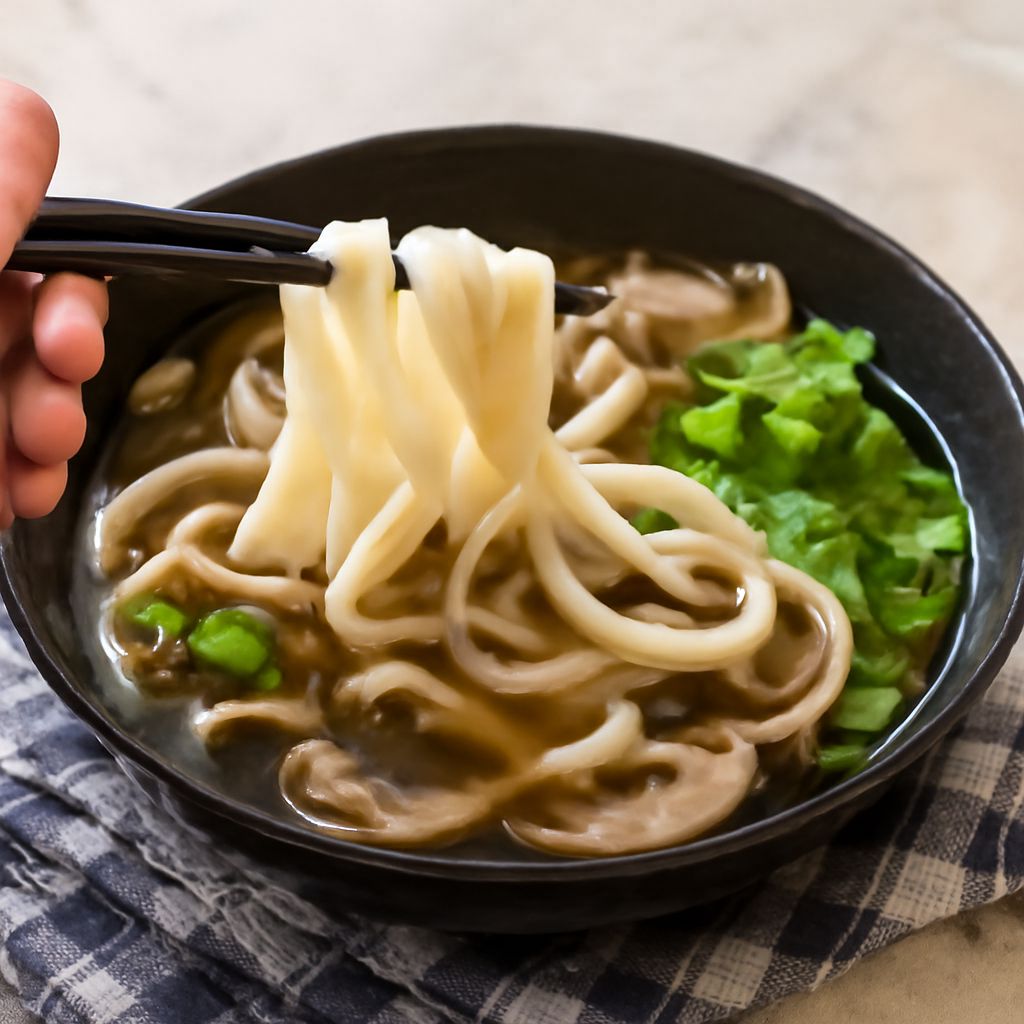
Pho has a reputation as a healthy option, and for the most part it earns it—but calories in pho soup vary significantly depending on bowl size, protein choice, noodle quantity, and what you add at the table. Pho noodles calories contribute the largest share of the total, since rice noodles are calorie-dense when served in restaurant portions. Pho calories large bowl estimates run from 450 to over 800 calories. Calories in beef pho specifically depend on the cut used—fatty brisket adds far more than lean flank or eye of round. Pho soup calories at restaurants are also hard to estimate because broth richness and noodle portions vary widely between establishments.
Calorie breakdown by component
A medium bowl of beef pho breaks down roughly as follows: Rice noodles (5–6 oz cooked): 200–240 calories. Beef broth (2 cups): 40–80 calories depending on richness and skimmed fat content. Protein (3 oz lean beef): 120–150 calories; (3 oz fatty brisket): 200–260 calories. Bean sprouts (1 cup raw): 30 calories. Fresh herbs (basil, cilantro, green onion): 10–15 calories. Hoisin sauce (1 tablespoon): 35 calories. Sriracha (1 teaspoon): 5 calories. A medium bowl with lean beef comes to approximately 430 to 530 calories. With fatty brisket and hoisin, the same bowl reaches 600 to 700 calories.
Pho noodles calories in large restaurant portions
Pho calories large bowls at Vietnamese restaurants typically use 8 to 10 ounces of cooked rice noodles, which delivers 320 to 400 calories from noodles alone. Add generous beef portions, rich bone broth, and sauces, and a large restaurant bowl easily reaches 700 to 900 calories. Chain restaurants like Pho 75 or Pho Hoa serve large bowls that can hit 800+ calories when fully loaded. This isn’t inherently problematic for a full meal, but it’s more than the light lunch people often assume pho to be.
Reducing calories without losing the experience
Order a small bowl instead of large—this saves 150 to 250 calories from noodles and protein alone. Request lean beef options: eye of round (tai) and well-done flank (nam) are lower fat than brisket (gau) or tendon (gan). Ask for the noodles on the side and add them gradually, which naturally reduces how much you eat. Skip hoisin or use it sparingly (one teaspoon is 12 calories versus a tablespoon at 35). The fresh herbs, bean sprouts, lime, and chili add enormous flavor and essentially zero calories—load up on those instead.
Pho on a weight-loss diet
Calories in beef pho make it one of the more diet-compatible restaurant options when ordered thoughtfully. A small or medium bowl with lean beef, minimal sauce, and extra vegetables delivers 400 to 500 calories with 25 to 35 grams of protein. The broth volume creates satiety well above what the calorie count alone would suggest. Sodium is the real consideration: restaurant pho broth commonly contains 1,200 to 2,000 mg of sodium per bowl, which causes temporary water retention without affecting actual fat storage. Drink extra water after eating pho if sodium retention is a concern.
Making pho at home
Homemade pho gives you full control over calorie content. Skim the fat from bone broth after chilling overnight. Use 3 to 4 ounces of dry rice noodles per serving (which yields roughly 3 to 4 ounces cooked, around 140 calories). Load the bowl with bean sprouts, bok choy, and fresh herbs. Use 3 ounces of lean beef sliced paper-thin so it cooks in the hot broth. Total homemade bowl calories: 300 to 380, with sodium around 600 to 800 mg if you use low-sodium broth as the base.
Key takeaways: Calories in pho soup range from 400 to over 800 per bowl depending on size, protein, and sauces. Ordering small bowls with lean beef and minimal hoisin keeps pho soup calories in a reasonable range. Pho is one of the better restaurant options for high-protein, moderate-calorie eating when ordered strategically.