High Protein Crockpot Meals: Easy Slow Cooker Recipes for Any Goal
High Protein Crockpot Meals: Easy Slow Cooker Recipes for Any Goal
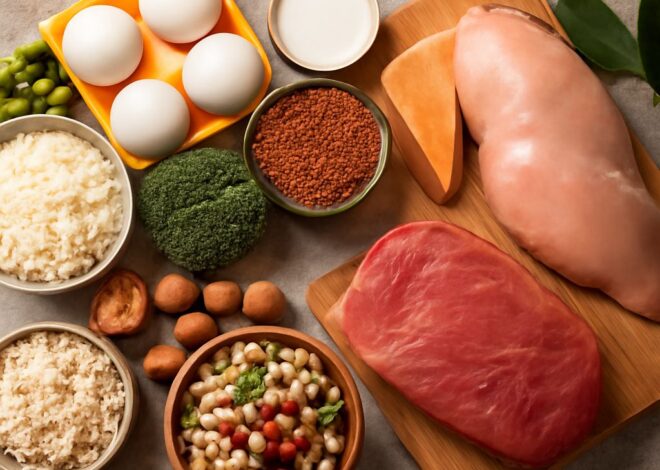
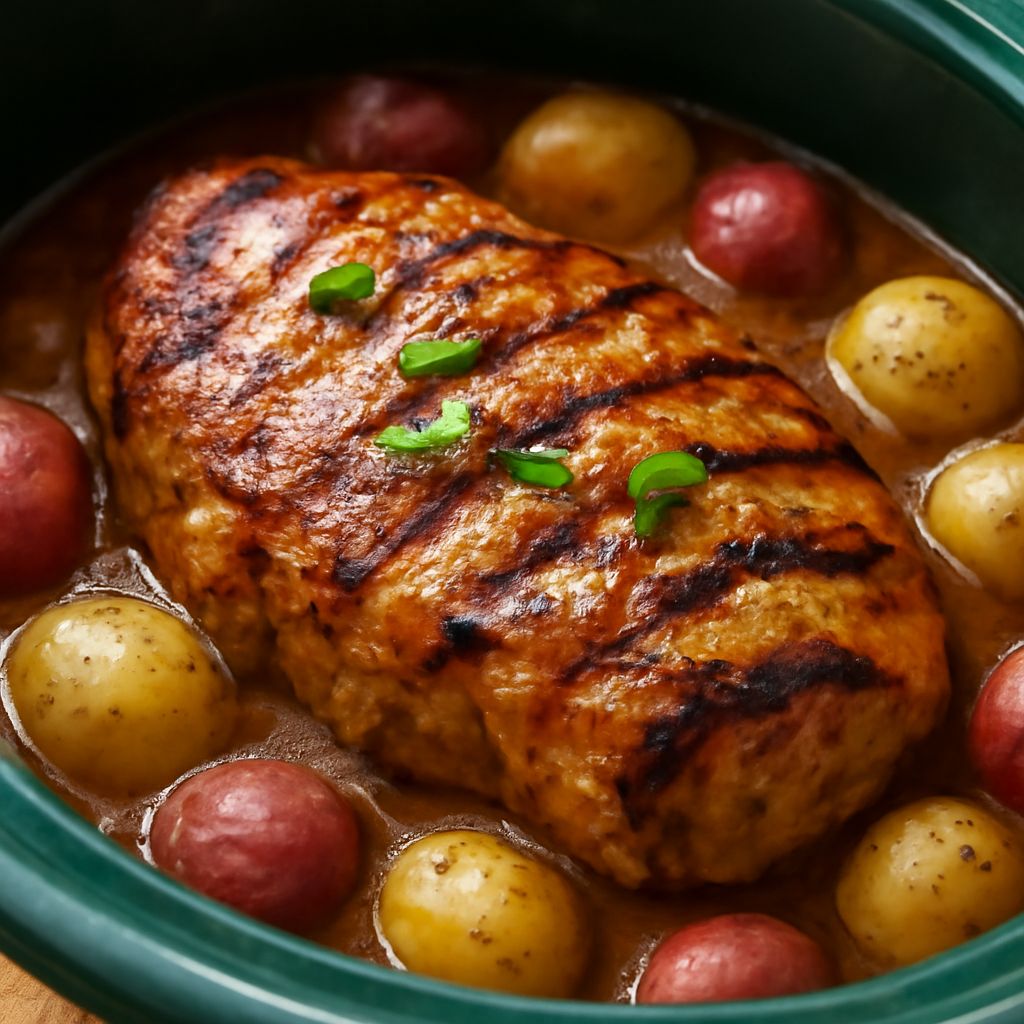
You want to eat well without spending your evenings cooking — and high protein crockpot meals are the answer. Load the slow cooker in the morning, go about your day, and come home to a ready-made, protein-rich meal that supports your fitness goals. High protein crock pot recipes have become a staple for busy people who refuse to sacrifice nutrition for convenience.
This guide covers the best high protein crock pot meals for muscle building, fat loss, and general health, explains how to build high protein slow cooker dishes from scratch, and addresses fat pad atrophy briefly in the context of how body composition affects tissue health over time.
Why Crockpot Cooking Is Ideal for High Protein Meals
Slow cooking at low temperatures (190–200°F) for 6–10 hours accomplishes something no other cooking method does as effectively: it breaks down tough connective tissue in lean proteins, transforming relatively cheap, lean cuts into tender, flavorful meals without added fat. Chicken breast, turkey breast, pork loin, and beef chuck — all lean, high-protein cuts — respond exceptionally well to slow cooking. The collagen in connective tissue dissolves into gelatin, adding body and moisture to the final dish without significantly increasing calorie content.
The Best High Protein Crock Pot Recipes
Chicken and White Bean Chili
Combine 1.5 lb chicken breast, 2 cans white beans (drained), 1 can diced green chiles, 2 cups chicken broth, 1 tsp cumin, 1 tsp oregano, salt, and garlic powder in the slow cooker. Cook on LOW 6–7 hours. Shred chicken with two forks before serving. Per 1.5-cup serving: approximately 380 calories, 48 g protein, 30 g carbs, 8 g fiber. Serves 5–6.
Beef and Broccoli
Place 1.5 lb flank steak (sliced thin against the grain) in the slow cooker with 1/3 cup low-sodium soy sauce, 2 tbsp oyster sauce, 1 tbsp sesame oil, 1 tbsp honey, and minced garlic. Cook on LOW 5–6 hours. Add 3 cups broccoli florets in the last 30 minutes. Serve over cauliflower rice for a lower-carb version. Per serving (1/4 recipe): approximately 350 calories, 40 g protein, 14 g carbs.
Turkey Meatball Soup
Form 1.5 lb ground turkey (with egg, breadcrumbs, garlic) into 1-inch meatballs and add to the crockpot with diced tomatoes, chicken broth, Italian seasoning, and zucchini. Cook LOW 7–8 hours. Per 1.5-cup serving: approximately 290 calories, 36 g protein, 16 g carbs.
High Protein Crock Pot Meals: Macro Optimization Tips
To maximize protein while managing calories in high protein crockpot meals:
- Use lean proteins as your primary base: Chicken breast (31 g protein/100 g, 165 cal) and turkey breast (29 g protein/100 g, 135 cal) offer the highest protein-to-calorie ratio
- Add legumes as a secondary protein: Black beans, lentils, and white beans add 15–18 g protein per cooked cup
- Season aggressively, fat sparingly: A slow cooker concentrates flavors — use herbs, spices, and citrus rather than adding oil or butter for richness
- Add cheese or Greek yogurt at serving: Stirring in 1/4 cup Greek yogurt at serving adds 6 g protein without increasing cooking fat
High Protein Crock Pot Meal Prep Strategy
The most efficient approach to high protein crock pot cooking is batch preparation. A Sunday slow cooker session can produce 5–8 servings of a protein-rich base (shredded chicken, pulled turkey, or beef) that portions into lunches and dinners throughout the week. Store shredded proteins in airtight containers for up to 4 days in the refrigerator or 3 months in the freezer. Pair with different sauces, vegetables, and carbohydrate sources each day to avoid meal fatigue from eating the same preparation repeatedly.
Understanding Fat Pad Atrophy
Fat pad atrophy refers to the thinning or loss of protective fatty tissue cushions in the body — most commonly the fat pads in the heel, ball of the foot, and around joints. This can occur naturally with aging, through prolonged high-impact activity, steroid use, or significant weight loss. Symptoms include increased pain when standing or walking on hard surfaces, and visible thinning of tissue under the skin at affected areas.
Nutritional support for fat pad health includes adequate caloric intake (extreme calorie restriction accelerates fat pad loss), sufficient dietary fat (20–35% of calories), and collagen-supporting nutrients: vitamin C, zinc, and adequate protein for collagen synthesis maintenance.
Next Steps
Start with the chicken and white bean chili recipe — it requires minimal prep (10 minutes of ingredient assembly) and delivers excellent nutritional value with very little hands-on time. Purchase a programmable slow cooker with a keep-warm function so meals are ready when you arrive home rather than overcooking. Build the habit of preparing your slow cooker the night before, then starting it in the morning for dinner, or starting it in the morning for a lunch-ready meal if you work from home.