Calories in a Bottle of Red Wine: What Every Glass Actually Costs You
Calories in a Bottle of Red Wine: What Every Glass Actually Costs You
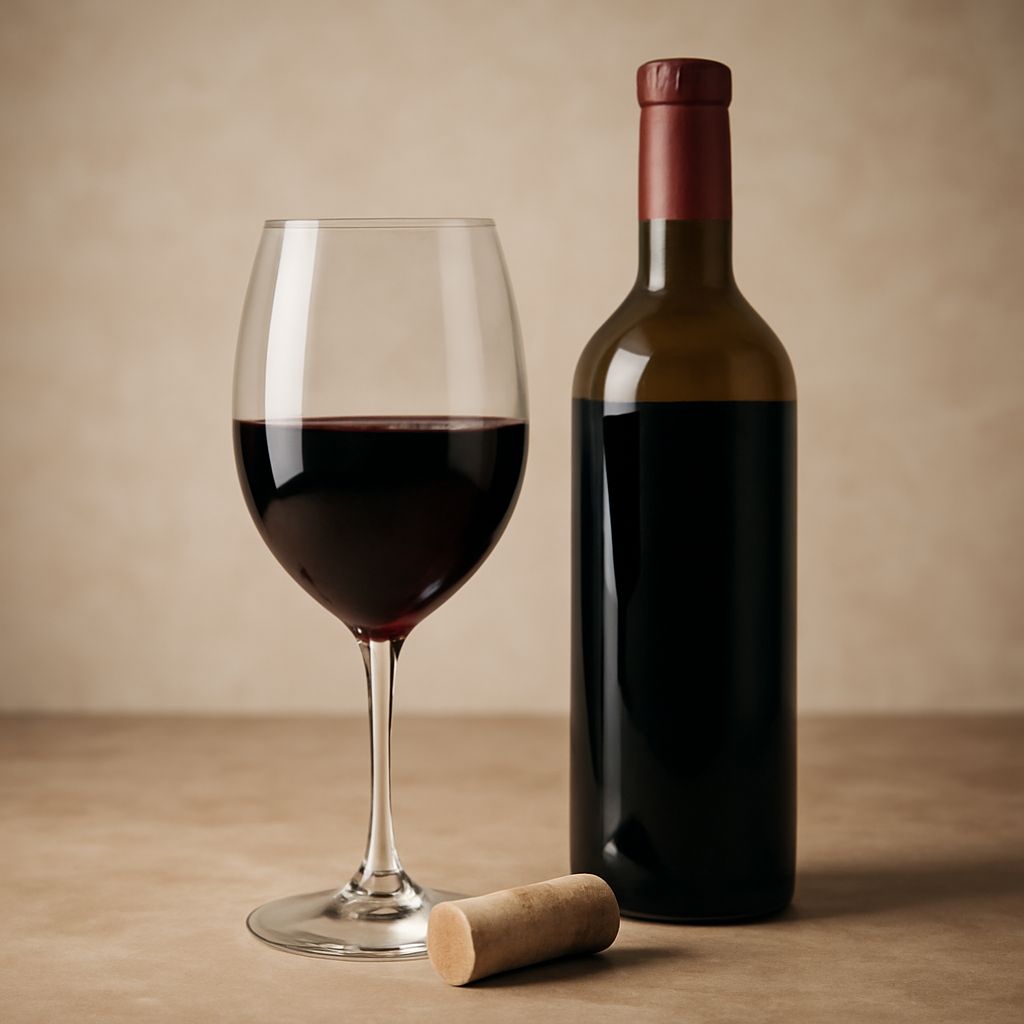
You’re unwinding after a long day, and you pour yourself a glass of Cabernet. It’s a well-earned ritual — but if you’ve started paying attention to your calorie intake, you might wonder exactly how many calories in a bottle of red wine you’re dealing with. The answer isn’t as simple as reading a food label, because wine bottles don’t carry nutrition facts in most countries.
Whether you’re tracking macros, managing weight, or simply curious, understanding how many calories are in a bottle of red wine helps you make more informed choices. A standard 750 ml bottle holds roughly 5 five-ounce glasses, and the calories bottle of red wine contains can range considerably depending on alcohol content and residual sugar. The calories in red wine bottle formats also vary by varietal and production style — so let’s dig into the specifics.
How Wine Calories Are Calculated
Wine calories come from two main sources: alcohol and residual sugar. Alcohol contributes 7 calories per gram — more than carbohydrates (4 cal/g) but less than fat (9 cal/g). Residual sugar adds 4 calories per gram. A dry red wine with 13.5% ABV will have more calories than a light-bodied 11.5% ABV red, even if both contain minimal residual sugar.
The average 5 oz (148 ml) pour of a medium-bodied dry red contains approximately 120–130 calories. Multiply that by 5 servings per bottle and you get 600–650 calories per standard 750 ml bottle.
Calorie Counts by Red Wine Varietal
Light-Bodied Reds
Pinot Noir, Gamay (Beaujolais), and Schiava typically register 12–13% ABV and carry 550–580 calories per bottle. Their lower alcohol levels and minimal oak influence make them the most calorie-conscious red wine choices.
Medium-Bodied Reds
Merlot, Sangiovese, and Grenache cluster around 13–14% ABV, placing a full bottle at 600–650 calories. These are the workhorses of everyday red wine drinking.
Full-Bodied, High-Alcohol Reds
Cabernet Sauvignon, Zinfandel, Petite Sirah, and Australian Shiraz frequently reach 14.5–15.5% ABV. A bottle of high-octane Zinfandel can deliver 700–750 calories — comparable to a fast-food burger.
Does Dry vs. Sweet Matter?
Most red wines are fermented dry, meaning nearly all sugar has been converted to alcohol. However, some producers leave residual sweetness, particularly in certain Italian reds and some New World styles. A wine with 10 grams per liter of residual sugar adds roughly 40 extra calories to a full bottle compared to a bone-dry version at the same alcohol level. Port and dessert red wines dramatically amplify this — a 3 oz pour of Port contains approximately 160–180 calories.
Comparing Red to White and Rosé
Red wines generally contain slightly more calories than dry whites of the same alcohol level, primarily because reds often come from warmer climates where grapes accumulate more sugar before fermentation — which converts to higher alcohol. A dry Sauvignon Blanc at 12.5% ABV averages about 580 calories per bottle, while a comparably dry red at 14% ABV sits closer to 640. Rosé falls in between, typically 560–620 calories per bottle when produced in a dry style.
Practical Tips to Manage Wine Calories
- Choose lower-ABV bottles. Check the label — wines under 12.5% ABV save you 50–100 calories per bottle compared to 14.5% bottles.
- Measure your pour. Restaurant pours can reach 6–8 oz. Using a measured 5 oz pour at home keeps your count accurate.
- Opt for dry styles. Avoid wines labeled “off-dry” or “demi-sec” if minimizing sugar calories is a priority.
- Pace your drinking. Spreading a bottle across two evenings halves the nightly caloric impact.
The Bottom Line on Red Wine Calories
Per Glass vs. Per Bottle
A single 5 oz glass of average red wine runs 120–130 calories. Two glasses — a common evening pour — puts you at 240–260 calories before you’ve touched your dinner. A full 750 ml bottle falls between 600 and 750 calories depending on ABV and sweetness. Knowing these benchmarks lets you incorporate red wine mindfully rather than avoiding it entirely.
Pro tips recap: Track ABV first — it’s the single biggest driver of wine calories. Stick to measured pours rather than free-pouring. Prefer Old World styles (France, Italy, Spain) where ABV tends to be lower than New World counterparts from hot climates. And when you’re calorie-conscious but don’t want to give up a glass of red, Pinot Noir and lighter Gamay-based wines are your best allies.