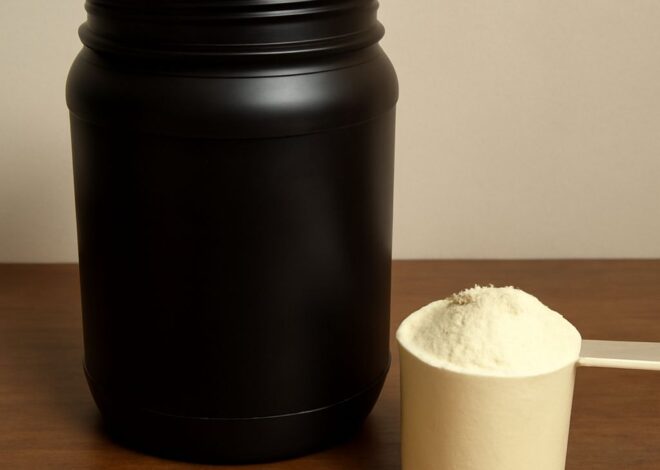
Protein Farts: Why They Happen and How to Fix Them
Protein Farts: Why They Happen and How to Fix Them
You’ve upped your protein intake, your workouts are going well, but something else has changed too. Protein farts are a real and common side effect of high-protein diets, and if you’re dealing with them, you’re not imagining it. The smell is often worse than regular gas, the timing feels random, and it’s affecting more than just your comfort. Protein gas comes from the way your digestive system handles amino acids and fermentable compounds, and the fix depends on identifying which part of your routine is causing the problem.
A single protein fart once in a while is normal. But if every shake is followed by uncomfortable bloating or embarrassing odor, the issue is worth addressing directly. Many people notice that protein powder farts smell more sulfurous than gas from other foods. Protein shake farts in particular tend to hit within 30 to 90 minutes of drinking, especially if you consume your shake quickly on an empty stomach.
Why Protein Causes Gas in the First Place
Undigested Protein Fermentation
When protein isn’t fully broken down in your small intestine, it passes into your large intestine where bacteria ferment it. This fermentation produces hydrogen sulfide, the compound responsible for the rotten-egg smell most people associate with protein-related gas. The more protein you consume in one sitting, the more likely some of it reaches the colon undigested.
Lactose and Other Additives
Whey concentrate contains lactose, which many adults don’t digest well. Even people who tolerate dairy foods sometimes react to the concentrated lactose in protein powder. Artificial sweeteners like sorbitol and maltitol, common in flavored protein products, draw water into the colon and cause gas and loose stools in sensitive individuals.
Which Protein Sources Cause the Most Gas
Not all proteins are equal when it comes to digestive impact:
- Whey concentrate: High in lactose, the most common trigger for protein powder farts among dairy-sensitive people.
- Casein: Slower digesting, which means longer fermentation time in some people. Can cause overnight bloating.
- Pea protein: Contains oligosaccharides that gut bacteria ferment aggressively, producing gas with a distinctly earthy odor.
- Egg white protein: Generally better tolerated, though the sulfur content of eggs means any undigested portion still produces odor.
- Whey isolate: Most lactose removed, better option for those whose protein shake farts trace back to dairy.
How to Reduce Protein Gas Without Cutting Protein
You don’t have to choose between hitting your protein targets and your digestive comfort. These strategies work:
- Switch protein sources: If whey concentrate is your current powder, try whey isolate or a beef protein isolate for two weeks. Track whether the gas improves.
- Space out your protein: Eating 40 grams at once overwhelms digestive enzymes. Splitting the same daily intake into 20 to 30 gram servings improves absorption and reduces the amount reaching the colon undigested.
- Add digestive enzymes: Protease enzyme supplements taken with meals help break down protein before it reaches the large intestine. Look for products with at least 500mg of protease activity per serving.
- Cut artificial sweeteners: Switch to an unsweetened powder and flavor it yourself with fruit or a small amount of honey. This eliminates sorbitol and maltitol as variables.
- Slow down consumption: Drinking a shake in under two minutes causes you to swallow more air, contributing to bloating separate from fermentation gas.
When the Problem Is Your Overall Diet
High-protein diets are often also high in red meat and eggs, both sulfur-rich foods. The combination of protein powder farts and dietary sulfur creates a compounding effect. If you eat red meat twice a day and also drink two protein shakes, the total sulfur load is high regardless of which individual source you blame. Try reducing red meat to once daily while keeping protein targets the same through chicken, fish, and dairy alternatives.
Probiotics and Gut Health
A diverse gut microbiome handles fermentation more efficiently. Strains like Lactobacillus acidophilus and Bifidobacterium longum reduce gas production from protein fermentation in clinical trials. Take a multi-strain probiotic with 10 to 20 billion CFU daily for at least four weeks before evaluating results. Fermented foods like Greek yogurt, kimchi, and kefir also support microbial diversity and may reduce protein gas over time.
Tracking the Pattern
Keep a simple log for seven days: what you ate, when you had gas, and how severe it was on a 1 to 5 scale. Most people identify their trigger within three days of consistent tracking. If the gas correlates with shakes, switching powder is your first move. If it correlates with high-meat dinners, dietary adjustments are the fix.
Bottom line: Protein gas is a digestive issue with a specific cause, and that cause is almost always identifiable through some basic elimination testing. Switching protein sources, spacing out intake, and adding digestive enzymes resolve the problem for the majority of people within two to three weeks.