Fat Arms: Why They Happen and How to Change Them
Fat Arms: Why They Happen and How to Change Them
You pull on a fitted sleeve and notice the fabric pulls in a way it didn’t before. Fat arms are a common concern, and the frustrating part is that arm fat tends to be one of the last places the body releases it from during a weight loss phase. Getting rid of upper arm fat requires a two-part approach: overall body fat reduction through diet, and targeted upper-arm muscle building through resistance training. The best way to lose arm fat isn’t one single exercise or trick. It’s a combination of strategies that work together over time.
Learning how to reduce arm fat is really learning how to reduce body fat while simultaneously building the muscles that shape the arms. Getting rid of arm fat without resistance training leaves you with thinner but undefined arms. Building muscle without creating a caloric deficit doesn’t change the fat layer above the muscle. Both are necessary. The best way to lose arm fat is the same principle that applies everywhere: a moderate caloric deficit plus progressive resistance training, sustained for long enough to see visible results.
What Causes Fat Arms
Arm fat accumulates for the same reasons body fat does in general: caloric surplus over time, hormonal changes, genetics, and low muscle mass in the upper body. In women, declining estrogen during perimenopause often causes fat to redistribute toward the upper arms and abdomen. Low overall muscle mass makes the arm look flabby even at a moderate body fat percentage because there’s no defined shape beneath the fat layer. Age-related muscle loss (sarcopenia) beginning in the 30s accelerates this if resistance training isn’t part of your routine.
The Most Effective Exercises for Getting Rid of Arm Fat
You can’t spot-reduce fat, but you can spot-build muscle. These exercises build the tricep and shoulder muscles that create visible arm definition as you lose fat:
- Tricep pushdowns: Use a cable machine with a rope or bar attachment. Set the weight so you can complete 3 sets of 12 to 15 reps with proper form. Triceps are two-thirds of upper arm volume, so they have the largest visual impact of any arm exercise.
- Skull crushers (lying tricep extension): Lie on a bench, hold a barbell or dumbbells above your chest, lower toward your forehead by bending the elbows, then press back up. 3 sets of 10 to 12 reps.
- Overhead tricep extension: Hold one dumbbell with both hands, extend overhead, lower behind the neck. 3 sets of 12. Targets the long head of the tricep, which contributes most to the horseshoe shape visible from behind.
- Push-ups: Accessible, effective, and builds triceps, chest, and anterior deltoids simultaneously. Work up to 3 sets of 15 to 20 with proper form.
- Lateral raises: Shoulder width creates a visual contrast that makes arms look slimmer. Light weight, 3 sets of 15 to 20 reps, controlled movement through full range of motion.
Diet for Reducing Arm Fat
Fat reduction anywhere on the body requires a caloric deficit. At 300 to 500 calories below your maintenance level, you lose 0.5 to 1 pound of fat per week without significant muscle loss, provided protein intake is adequate at 0.7 to 1 gram per pound of bodyweight.
Practical eating adjustments for reducing arm fat:
- Cut liquid calories: alcohol, juice, and sweetened coffee drinks add 200 to 500 calories daily with no satiety benefit.
- Prioritize protein at every meal: lean protein keeps you full longer and preserves muscle tissue during the deficit.
- Track food for four to six weeks: people who log meals lose significantly more fat than those who don’t, simply because tracking creates awareness of portion sizes.
How Long Before You See Results
Arm circumference measurements taken at the widest point typically show 0.5 to 1 inch of reduction after six to eight weeks of consistent training and diet. Visual results, meaning visible muscle tone under reduced fat, often take eight to twelve weeks. The timeline depends on your starting body fat percentage: someone at 30% body fat will see faster initial changes than someone at 22%, simply because there’s more fat to reduce.
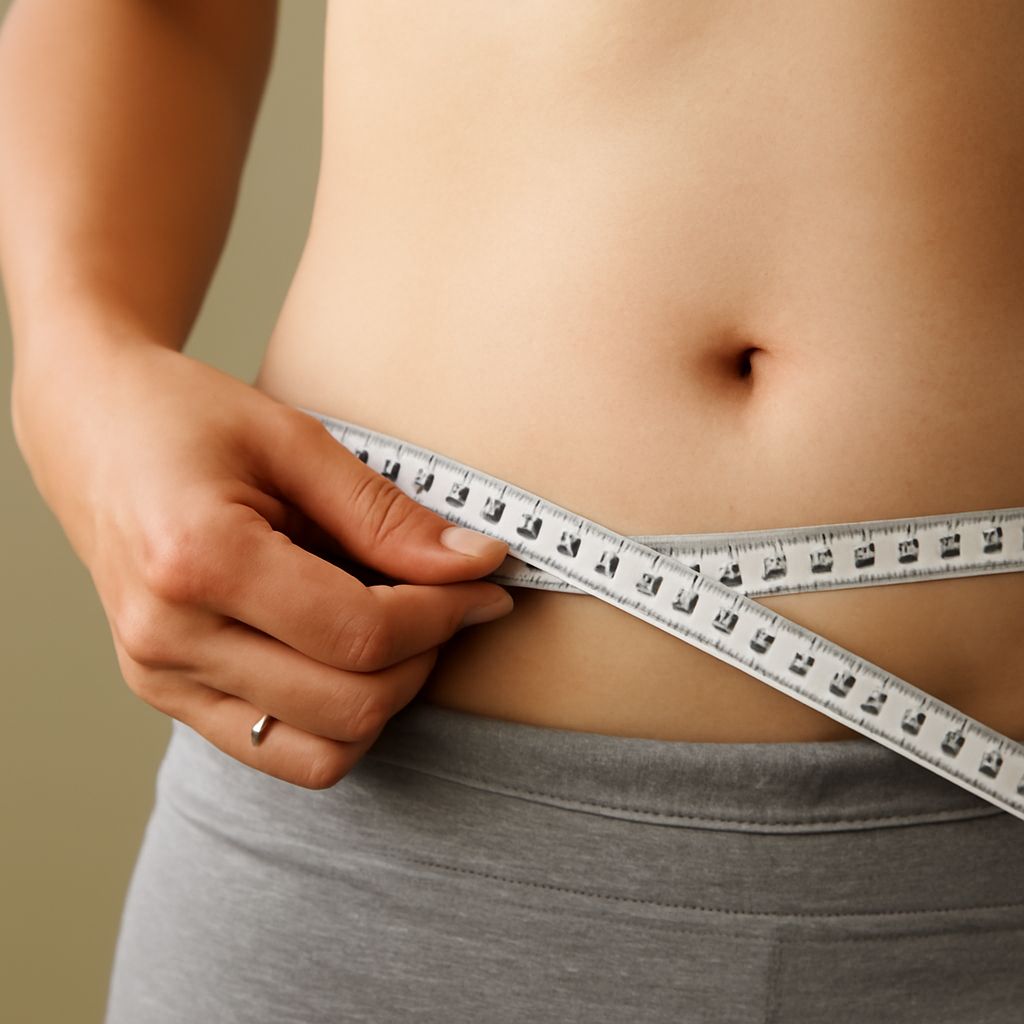
Measure the same spot at the same time each week. Take photos from the same angle in identical lighting. Progress often isn’t visible day-to-day but becomes clear when you compare week 1 to week 8.
What Doesn’t Work for Arm Fat
Arm circles, light resistance bands used for hundreds of reps, and “toning” classes that use exclusively light weights don’t create the muscle building stimulus needed for visible definition. They burn some calories, which helps, but the muscle development is minimal. Resistance that challenges you at 8 to 15 reps per set is the threshold for building meaningful muscle. Below that intensity, you’re exercising but not building.
Bottom line: Reducing fat arms takes getting rid of body fat through diet and building tricep and shoulder muscle through resistance training. Combine a 300 to 500 calorie daily deficit with three upper-body training sessions per week, and give it eight to twelve weeks before evaluating results. The combination is what works, not either component alone.