Protein Powder Samples: How to Get Them and What to Look For
Protein Powder Samples: How to Get Them and What to Look For
You’re not ready to commit to a full 5-pound tub of protein powder before knowing if it mixes well, tastes tolerable, and doesn’t wreck your digestion. Protein powder samples are the smart way to test before you invest, and there are several legitimate routes to getting them without paying retail prices for single servings. Protein powder sample packs from the brand directly often cost $1 to $5 each, while third-party sampling services bundle multiple brands together at a fixed price.
Protein samples give you enough to evaluate three critical factors: taste, texture in liquid, and digestive response. Whey protein samples from different manufacturers taste noticeably different even in the same flavor due to differences in sweetener type, flavoring quality, and protein source purity. Protein shake samples from budget and premium brands at the same serving size reveal quality differences you can’t assess from reading labels alone.
Where to Get Protein Powder Samples
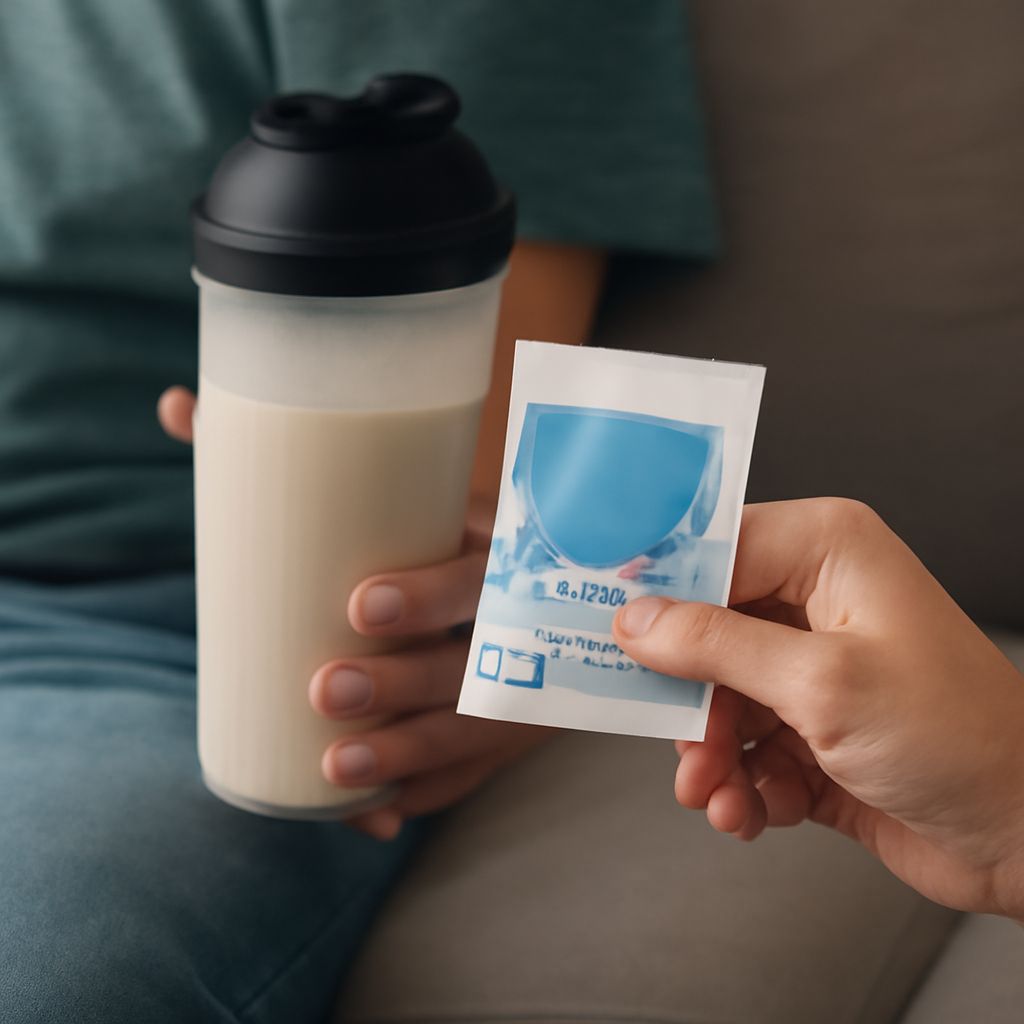
- Brand websites: Many supplement companies sell individual 1oz or 2oz sample packets directly through their website for $1 to $3 each. Optimum Nutrition, Dymatize, and MyProtein all offer this option. The advantage is you get the exact product without any markup.
- Amazon sample packs: Several brands list 10 to 20 sample packs on Amazon that let you try multiple flavors of the same product. These run $15 to $35 for a 10-piece variety set.
- Sample services: Websites like TryProtein.com and supplements sampling programs aggregate samples from multiple brands. You pay a flat fee of $10 to $20 and receive 8 to 15 samples across different protein types and brands.
- Local GNC or vitamin shops: Staff often have sample packets behind the counter, particularly for new products the store is promoting. Ask directly rather than waiting for them to offer.
- Fitness expos and competitions: Supplement companies give samples aggressively at events. A single expo visit can yield 20 to 40 samples across all the major brands.
What to Evaluate in a Protein Sample
When testing a whey protein sample, evaluate in this order:
- Mixability: Shake with 8oz cold water for 20 seconds in a shaker bottle. A quality powder mixes completely without lumps or a chalky residue at the bottom. Poor mixability is the most common complaint with budget powders.
- Taste: Judge the flavor without sweetness bias. Some people prefer mildly sweet; others want something that tastes dessert-like. Neither is wrong, but identifying your preference prevents buying a large tub of something you won’t finish.
- Texture: Whey isolate is typically thinner than concentrate or casein. If you want a thicker consistency, concentrate or a blend might suit you better.
- Digestive response: Give yourself 2 to 4 hours after drinking to assess any bloating, gas, or cramping. If a sample causes significant discomfort, the protein source or additives (lactose, artificial sweeteners, fillers) are likely the cause.
- Satiety: Does it keep you full for 2 to 3 hours? A good protein supplement should reduce appetite meaningfully at a 25 to 30g protein serving.
Sample Pack Protein Types Compared
Different protein types show distinct characteristics across samples:
- Whey concentrate samples: Lower price, higher lactose content. More common in budget brands. The most likely to cause digestive issues in lactose-sensitive people.
- Whey isolate samples: 90%+ protein by weight, low lactose, thinner consistency. Generally the cleanest-tasting and easiest to digest.
- Casein samples: Thick, pudding-like texture when mixed with water. Best used at night due to slow digestion rate of 5 to 7 hours.
- Plant protein samples: Pea, rice, or hemp blends. Often grainier texture with earthier flavor. Best evaluated mixed with milk or a smoothie rather than plain water.
Red Flags in Protein Samples
- Excessive sweetness that masks poor flavor quality
- Labels listing amino spiking ingredients (glycine, taurine, creatine) high on the ingredient list, which inflate protein content readings without nutritional equivalence to complete protein
- Proprietary blends that don’t list individual protein source amounts
- More than 5g carbs per serving in a product marketed as isolate
Bottom line: Protein powder samples are worth seeking out before buying a full tub. Test for mixability, taste, and digestive response across at least three samples before committing. The cost of a bad 5-pound purchase is far higher than the cost of a few sample packets.