How to Get Rid of Arm Fat: What Works and What Doesn’t
How to Get Rid of Arm Fat: What Works and What Doesn’t
You want slimmer, more toned arms and you want to know what the actual path looks like. How to get rid of arm fat requires understanding one fundamental fact: you cannot choose where your body loses fat from, but you can reduce your overall fat percentage while simultaneously building the muscles that give arms shape and definition. Arm fat responds to the same approach as fat anywhere else, just with upper-body-specific training to build the muscle underneath.
Losing arm fat means losing body fat in general. But how to get rid of fat arms at the aesthetic level involves more than just caloric restriction. My arms are fat in proportion to my body often means the arms have low muscle development relative to fat stores there. Losing arm fat at a visible level takes eight to twelve weeks of consistent effort combining targeted exercise with a moderate caloric deficit. The timeline is non-negotiable: physiological fat loss happens on its own schedule, and anything promising faster results isn’t giving you fat loss.
Why You Can’t Spot Reduce Arm Fat
Spot reduction, the idea that you can exercise a specific body part to burn fat there, is a myth consistently debunked by research. Working your triceps doesn’t cause your body to preferentially pull fat from your arms. Fat mobilization during exercise is systemic, not localized. The body releases fat from all stores simultaneously, prioritizing areas based on genetics and hormonal factors. What you can do is build the muscles beneath the fat so that as total body fat drops through diet, the newly visible muscles create the defined appearance you’re after.
The Best Exercises for Building Arm Muscle
The tricep muscle makes up approximately 65% of upper arm volume. Building it has more visual impact than any other arm exercise:
- Cable tricep pushdowns: Attach a rope or bar to a high cable pulley. Push down until arms fully extend, squeeze at the bottom, return slowly. 3 sets of 12 to 15 reps.
- Overhead dumbbell extension: Hold one dumbbell with both hands, extend overhead, lower behind the neck by bending at the elbows. 3 sets of 10 to 12 reps. This targets the long head of the tricep, which is the largest portion.
- Diamond push-ups: Place hands close together in a diamond shape under your sternum. The narrower hand position shifts the load from chest to triceps. 3 sets of max reps.
- Lateral raises (shoulders): Builds the medial deltoid, widening the shoulder and creating a visual contrast that makes the upper arm appear slimmer. 3 sets of 15 to 20 with light weights.
- Barbell or dumbbell curls: Bicep training is secondary to tricep work for overall arm appearance but adds to the defined look when both sides develop together.
Creating the Caloric Deficit
No exercise program produces visible arm fat reduction without a supporting caloric deficit. Aim for 300 to 500 calories per day below your maintenance level. This produces 0.5 to 1 pound of fat loss per week, which is gradual enough to preserve muscle while you’re also building it through resistance training.
Protein intake during the deficit needs to stay at 0.7 to 1 gram per pound of bodyweight. Protein is the key variable: people who keep protein high during a deficit lose fat and build or maintain muscle. People who don’t lose fat and muscle simultaneously, which reduces the definition effect you’re training for.
What Doesn’t Work
- Light weight, high rep “toning” circuits: These burn some calories but don’t create the muscle-building stimulus that makes arms visibly toned. You need resistance that challenges you at 8 to 15 reps per set.
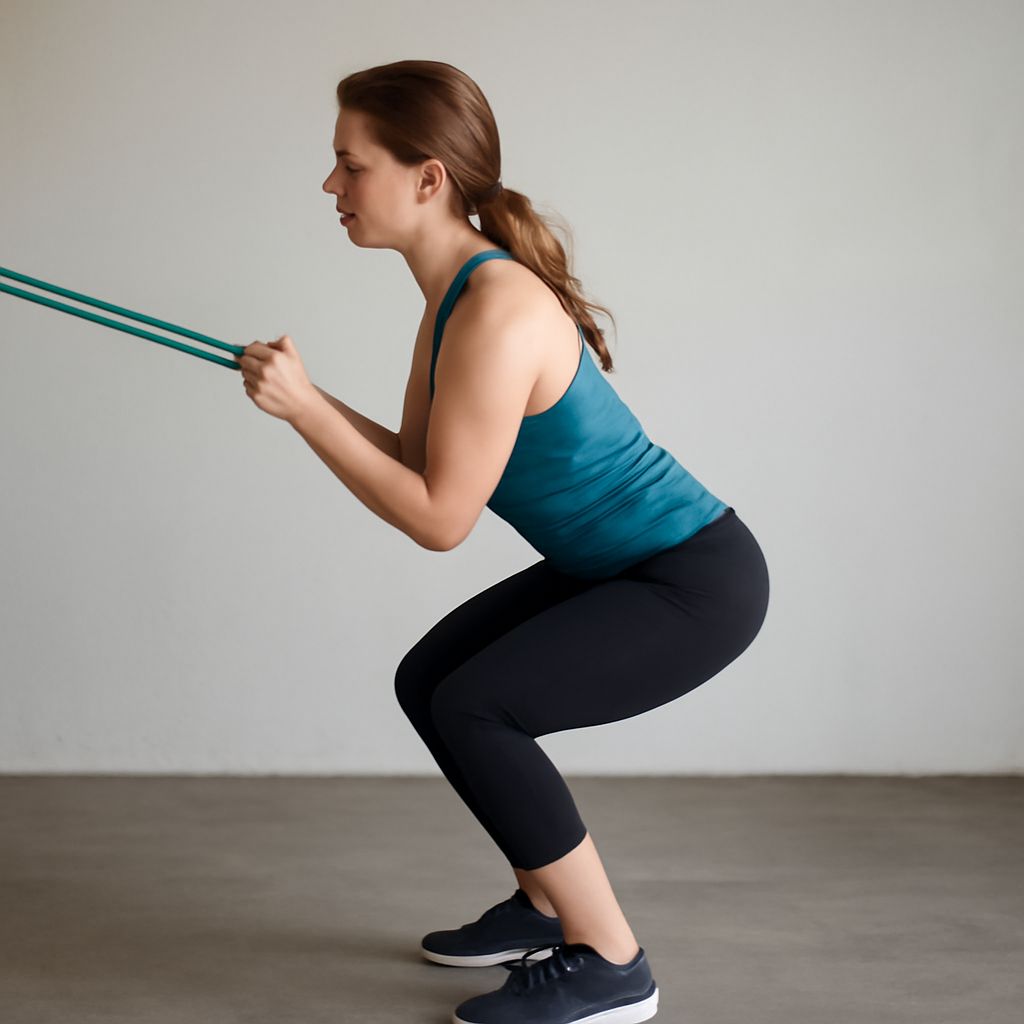
- Arm circles and bands only: Insufficient resistance for meaningful muscle development. Useful as a warmup, not as a primary training tool.
- Sauna suits or wraps: Create temporary water weight loss that returns within hours of rehydration. No actual fat is removed.
- Very low calorie diets without protein: Causes muscle loss faster than fat loss in the arms, leaving arms smaller but still without definition.
Timeline and Progress Markers
Measure your upper arm circumference at the widest point. A loss of 0.5 to 1 inch over six to eight weeks indicates meaningful fat reduction. Take progress photos from the same angle in consistent lighting every two weeks. The most common mistake is checking too frequently: weekly scale weight and daily mirror checks miss the real signal, which emerges clearly over months of photos.
Bottom line: Getting rid of arm fat requires reducing total body fat through a caloric deficit and building tricep and shoulder muscle through consistent resistance training. Both elements are necessary. Either alone produces incomplete results. Give the process twelve weeks before evaluating whether your approach is working.