Freezing Fat Cells DIY: What Actually Works and What’s Dangerous
Freezing Fat Cells DIY: What Actually Works and What’s Dangerous
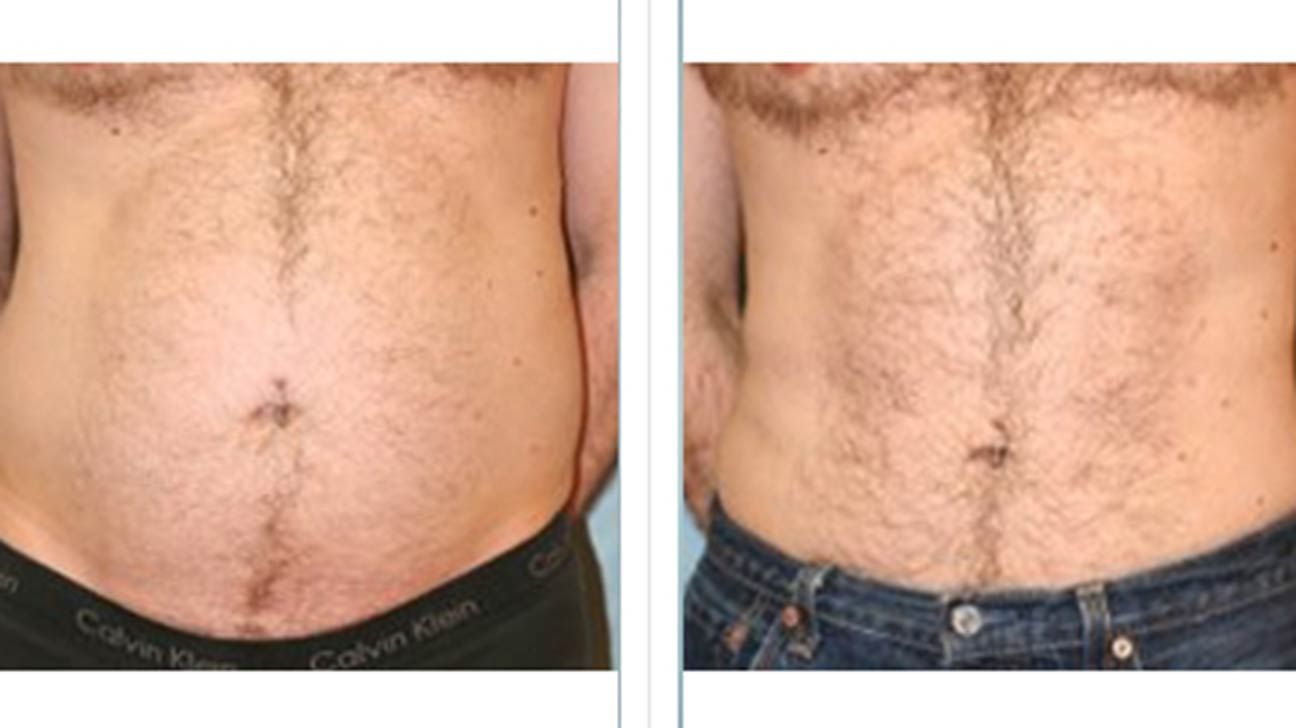
You’ve seen before-and-after photos claiming dramatic results from freezing fat cells DIY, using nothing but ice packs and plastic wrap at home. The appeal is obvious — professional cryolipolysis (CoolSculpting) costs $600–$1,500 per treatment area. So you start searching: how many carbs in a shot of vodka to figure out your alcohol budget while cutting calories, and whether freezing belly fat at home is actually achievable on a fraction of that cost. Before you fill a bag with ice and strap it to your midsection, you need to understand what real cryolipolysis does — and why attempts to freeze fat at home often cause injury instead of results.
The concept of DIY fat freezing is built on a real phenomenon called cryolipolysis: fat cells (adipocytes) undergo apoptosis (programmed cell death) at temperatures around 4°C (39°F), while surrounding skin and muscle cells are less affected. The problem is that clinical devices precisely control temperature, pressure, and duration. Home methods cannot replicate these controls.
What Cryolipolysis Actually Does in a Clinical Setting
FDA-cleared cryolipolysis devices use vacuum suction to draw tissue into a treatment cup, then cool it to a controlled 4–5°C for 35–60 minutes. The suction prevents ice crystal damage to the skin surface while the cold reaches subcutaneous fat. Over 4–12 weeks, the treated fat cells break down and are cleared by the lymphatic system. Patients typically see a 20–25% reduction in fat layer thickness per treated area.
No at-home method can replicate the vacuum suction that protects surface skin while cooling the fat layer below. This is the critical gap in all diy fat freezing attempts.
Why Freezing Belly Fat at Home With Ice Risks Frostbite
Skin surface temperature drops far faster than subcutaneous fat temperature when you apply ice directly. Within 10–15 minutes of ice contact on bare skin, surface temperature can reach 0°C (32°F), triggering frostbite damage to skin cells before the fat layer has cooled meaningfully. Users of freeze fat at home methods have reported first and second-degree frostbite burns, paradoxical adipose hyperplasia (fat cells that enlarge rather than die), and nerve damage from prolonged cold exposure.
Signs of Frostbite to Watch For
Redness and tingling that persists more than two hours after removing ice, blistering, or a hardened waxy texture to the skin are all warning signs that warrant medical attention. Never apply ice directly to skin without a cloth barrier, and limit any cold application to 10–15 minutes maximum.
Why Results Are Inconsistent
Even when frostbite is avoided, DIY cryolipolysis attempts deliver inconsistent temperatures across the treatment area, uneven pressure, and no mechanism to clear dead fat cells through lymphatic drainage. The clinical protocol includes lymphatic massage post-treatment for exactly this reason.
Safer Alternatives to DIY Fat Freezing
If professional treatment isn’t in the budget, diet and exercise remain the only proven methods for reducing subcutaneous fat. A 500-calorie daily deficit through food reduction produces roughly 1 lb/week of fat loss from across the body, including the belly. Strength training with compound movements (squats, deadlifts, rows) preserves lean mass during the deficit, so the fat percentage of your body composition drops faster.
What Happens If You Try It Anyway
People who attempt at-home fat freezing typically apply ice packs wrapped in thin cloth to the abdomen for 30–90 minutes daily. The skin becomes red, numb, and sometimes blistered. Any fat cell death that occurs is minimal and localized to the skin surface rather than the subcutaneous layer where aesthetic fat sits. The method carries real medical risk with essentially no reliable cosmetic benefit.
Key takeaways: Freezing fat cells DIY is not a safe or effective substitute for clinical cryolipolysis. Attempts to freeze fat at home with ice packs risk frostbite and nerve damage without meaningful fat cell reduction in the subcutaneous layer. If you’re considering diy fat freezing, consult a licensed aesthetician about payment plans for professional treatment, which delivers measurable, predictable outcomes.