Protein in Urine Test: What It Measures and How to Read Your Results
Protein in Urine Test: What It Measures and How to Read Your Results
Your doctor ordered a protein in urine test and the results came back with something flagged. Before you spiral into worst-case scenarios, understand what a urine protein test actually measures, what the numbers mean, and what context matters most. Normal urine protein levels are lower than most people expect — healthy kidneys filter protein but retain almost all of it, so any meaningful amount appearing in urine signals something worth investigating. Whether you’re looking at a protein in urine range result from a dipstick test or a 24-hour quantitative collection, the interpretation depends on the method used and when the sample was collected.
A normal amount of protein in urine exists even in healthy people, but the threshold at which it becomes clinically significant is specific and depends on whether you’re measuring total protein or just albumin.
What the Urine Protein Test Measures
Two types of tests measure urinary protein:
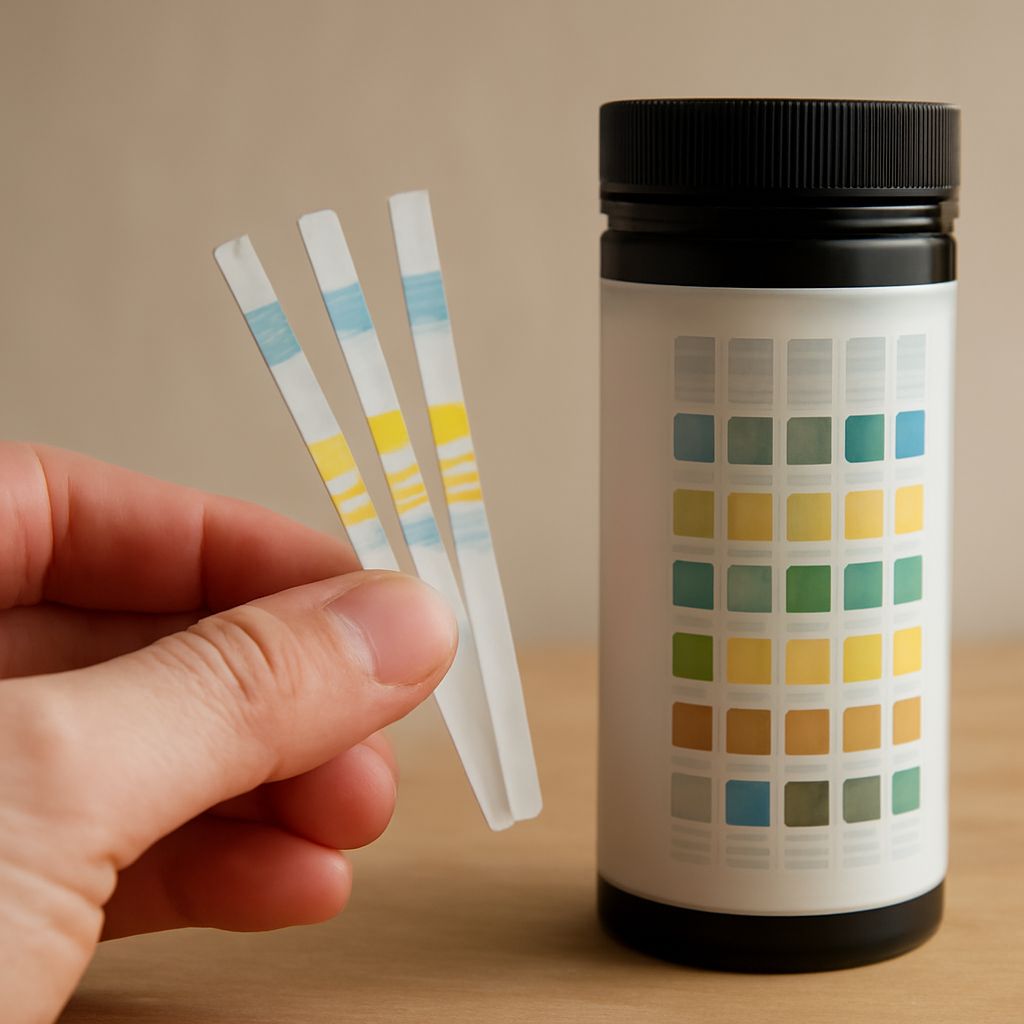
- Dipstick test: A chemical strip dipped in urine that changes color based on albumin concentration. Results are reported as negative, trace, 1+, 2+, 3+, or 4+. It measures albumin specifically, not total protein.
- 24-hour urine collection: All urine collected over 24 hours is combined and analyzed for total protein or albumin. This is more accurate than a spot test because it accounts for the natural variation in urine concentration throughout the day.
- Spot urine protein-to-creatinine ratio: A single urine sample is analyzed for both protein and creatinine. The ratio approximates 24-hour protein excretion without requiring a collection. A ratio below 0.15 is normal; above 0.3 suggests significant proteinuria.
Normal Urine Protein Levels
The protein in urine range that is considered normal:
- 24-hour urine collection: less than 150 mg protein per 24 hours
- Urine albumin: less than 30 mg per 24 hours (microalbuminuria is 30–300 mg/24 hours)
- Spot urine albumin-to-creatinine ratio (ACR): less than 30 mg/g
- Dipstick: negative or trace (corresponds roughly to 15–30 mg/dL albumin)
The normal amount of protein in urine in a healthy adult over 24 hours is 40–80 mg — well below the 150 mg threshold, but not zero.
What Causes a Positive Urine Protein Test
A positive result on a protein in urine test has a wide range of causes:
- Transient/benign: Strenuous exercise within 24 hours, fever, severe dehydration, extreme emotional stress, or prolonged time spent upright (orthostatic proteinuria) can cause temporary positive results.
- Kidney disease: Diabetic nephropathy, hypertensive kidney disease, glomerulonephritis, and chronic kidney disease (CKD) all cause persistent proteinuria as the glomerular filtration barrier is damaged.
- Systemic disease: Lupus nephritis, multiple myeloma (through Bence Jones proteins), and amyloidosis can all produce abnormal protein in urine.
- Urinary tract infection: Inflammation from UTI can cause a transient positive that resolves after treatment.
How to Prepare for an Accurate Test
For the most reliable urine protein test results, avoid strenuous exercise for 24–48 hours before the test. Collect the sample in the morning (first void of the day) after you’ve been lying flat overnight — this eliminates orthostatic proteinuria as a confounding factor. Stay well hydrated but not over-hydrated, as excessive water intake dilutes albumin concentration and can produce a false-negative dipstick result.
When a Single Positive Result Matters vs When It Doesn’t
One positive dipstick result does not mean kidney disease. Standard clinical guidance recommends confirming proteinuria on two separate tests over three months before initiating a full workup. If two of three tests show protein in urine above the normal range, your doctor will likely order:
- Serum creatinine and eGFR (kidney function)
- Blood pressure measurement
- HbA1c or fasting glucose (diabetes screening)
- Urine microscopy to check for casts or red blood cells
Catching kidney disease early — at the microalbuminuria stage — is the most effective time to intervene. At this point, blood pressure control and medication can slow or halt progression to more serious kidney damage.