Fat Guy Fashion: Style Tips That Actually Work for Bigger Men
Fat Guy Fashion: Style Tips That Actually Work for Bigger Men
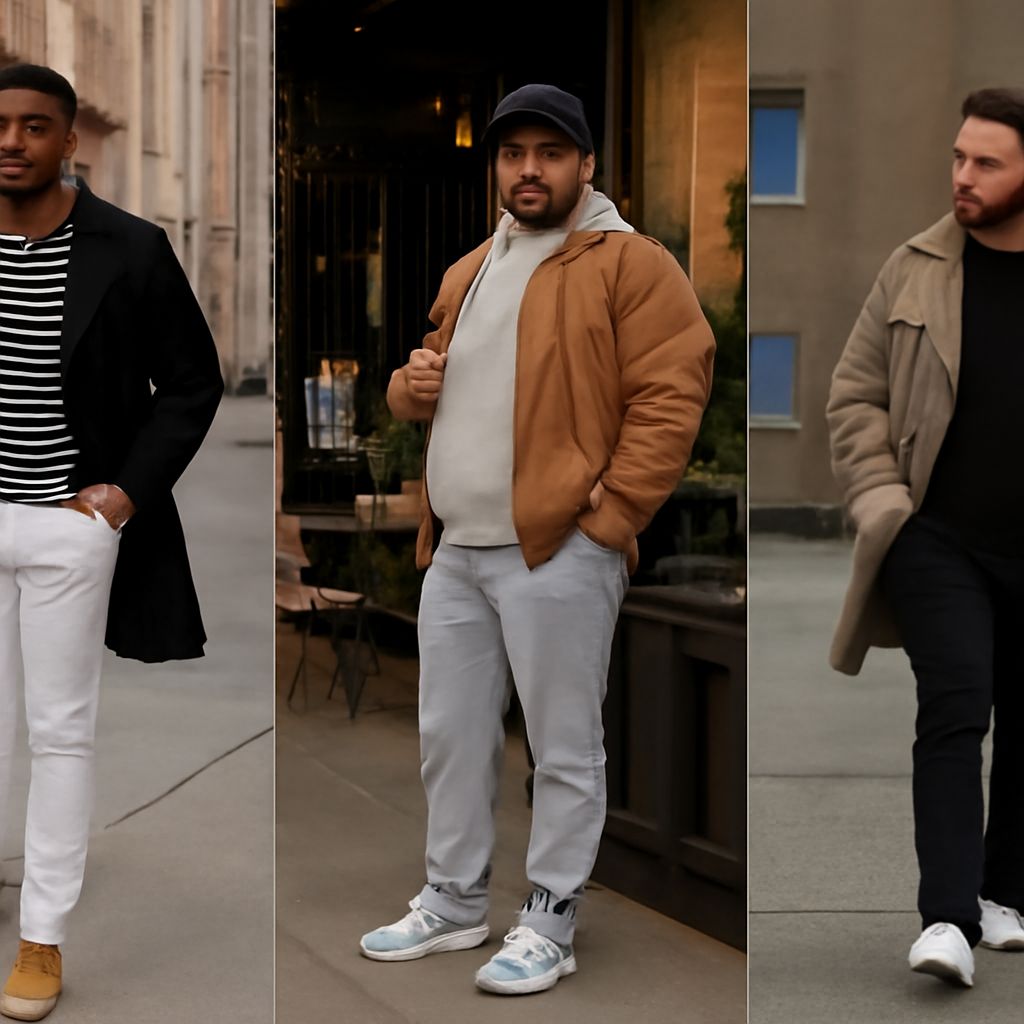
Finding clothes that fit well and look sharp when you’re a bigger guy is harder than it should be, and the advice out there is often either condescending or impractical. Fat guy fashion has improved enormously in the last decade — big and tall sections have expanded, fit-focused brands now design specifically for larger proportions, and understanding a few core principles makes an immediate difference in how clothes look on your body. Fat men fashion isn’t about hiding your size; it’s about choosing cuts and proportions that work with your frame rather than against it. Whether you’re building a professional wardrobe, looking for casual fat guy style that’s actually comfortable, or trying fashion for fat men that works in a social setting, the same foundational principles apply.
This guide covers those principles, explains what to avoid, and points toward the garment categories where fat man fashion has improved most significantly.
Fit Is Everything — And It Applies Differently to Larger Frames
The single most impactful change any man can make regardless of size is wearing clothes that actually fit. For larger men, this means different things in different areas:
- Shoulders: The shoulder seam of a jacket or shirt must land at the end of your actual shoulder bone. Nothing makes clothes look cheaper or sloppier than shoulder seams that slide down the arm.
- Length: Shirts worn untucked should end mid-crotch or slightly above, not halfway down the thigh. Longer lengths visually extend and widen the torso.
- Waist: Avoid both extremes — skin-tight fabric that emphasizes every contour, and excessively baggy fabric that adds visual volume and bulk.
Colors and Patterns That Work for Fat Men Fashion
Darker solid colors (navy, charcoal, forest green, burgundy) create a less visually interrupted silhouette than light colors or busy patterns, which draw attention to individual body parts. This doesn’t mean you must wear black exclusively — that rule is outdated and limiting.
Vertical elements (pinstripes, vertical seam details, V-neck openings) draw the eye up and down rather than across, creating a lengthening visual effect. Horizontal stripes do the opposite. Bold graphic prints tend to widen whatever area they cover, which is worth keeping in mind when choosing shirts.
Clothing Layers That Work With Your Frame
Open layering is one of the most effective fat guy style tools. An open button-down shirt worn over a fitted T-shirt creates a vertical line down the center of the body, which is visually slimming. A structured sport coat or blazer in the right size creates shoulder definition and waist suppression through tailoring — even a budget blazer altered by a tailor for $20–40 looks dramatically better than an expensive off-the-rack piece that doesn’t fit.
Avoid cropped jackets that end above the natural waist — they visually bisect the torso and emphasize the midsection. Hip-length jackets and coats that end at mid-thigh or lower work much better for most larger frames.
Pants and Bottoms for Fashion for Fat Men
Fit in pants is as important as in tops. Trousers should sit at or slightly below the natural waist, not the hips. Hip-hung pants push the waistband below the natural narrowest point of the torso and create a muffin-top effect on most body types. Straight-leg or slightly tapered trousers create a cleaner line than very wide or very slim fits.
Chinos in a mid-weight twill (not too thin, which shows every wrinkle) are the most versatile fat man fashion casual pant option, pairing with everything from sneakers to dress shoes.
Brands Worth Knowing
Several brands now offer genuine style options in larger sizes up to 3XL, 4XL, and beyond, with proportional fit rather than simply scaling up standard patterns: Bonobos has a big and tall line with a more tailored silhouette, J.Crew offers extended sizes with proportional shoulder and chest sizing, and DXL (Destination XL) carries a curated selection of brands specifically designed for larger frames.
Next steps: Start with one well-fitting, well-tailored blazer in navy or charcoal. It transforms any existing wardrobe instantly and costs $80–200 with a minor alteration. Measure your actual shoulder width and chest circumference before ordering online — size labels alone are unreliable guides to whether something will actually fit your specific proportions.