Fat Transfer Breast Augmentation: What to Expect Before and After
Fat Transfer Breast Augmentation: What to Expect Before and After
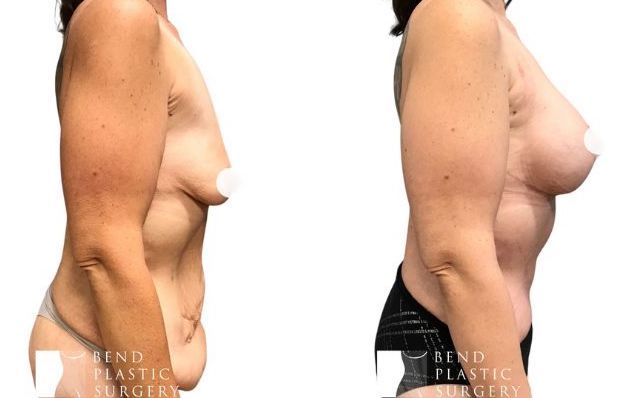
You want more volume but you’re not sold on implants. Fat transfer breast augmentation before and after photos often show results that look softer and more proportional than implant-based procedures, largely because the volume comes from your own tissue. Fat grafting breast augmentation involves harvesting fat from donor sites like the abdomen, flanks, or thighs through liposuction, processing it, and injecting it into the breast. Fat transfer to breasts produces a natural feel because the tissue is already yours. The tradeoff is that results are generally limited to one or two cup sizes. If you’re researching fat transfer breast augmentation pros and cons, the main variables are retention rate, volume ceiling, and whether you have enough donor fat to harvest.
How the procedure works
The surgeon performs liposuction on donor areas first, typically the abdomen, inner thighs, or flanks. The harvested fat is spun in a centrifuge to remove blood, oil, and damaged cells. The purified fat is then injected in small amounts throughout the breast using a cannula, layering it carefully to maximize contact with existing tissue. Contact with blood supply is critical because injected fat cells that don’t establish a new blood supply will be reabsorbed by the body. This is why surgeons inject in multiple passes and avoid large fat deposits in a single location.
Candidate criteria
The best candidates have enough donor fat to harvest, realistic expectations about volume increase, and stable body weight. Significant weight fluctuations after the procedure affect results because the grafted fat behaves like all other body fat: it expands with weight gain and shrinks with weight loss. Patients who are too lean often lack sufficient donor sites. Surgeons typically look for a body fat percentage above 22% for women to ensure there’s enough to harvest and graft while leaving the donor area looking natural.
Before and after expectations
Immediately after surgery, the breasts appear larger than the final result will be because of initial swelling. Over the first three months, the body reabsorbs a portion of the injected fat, typically 30 to 50 percent. The final volume stabilizes around month three to four. Fat transfer breast augmentation before and after photos taken at six months give the most accurate picture of lasting results. Most patients achieve a half to one full cup size increase per procedure. Some choose to do a second session six months later to build additional volume.
Pros and cons
Fat transfer breast augmentation pros and cons break down clearly. On the pros side: no implants, no implant-related complications, results feel natural, and liposuction contours the donor area simultaneously. Scars are minimal because incisions are small. On the cons side: results are modest in volume, retention varies between patients, and the procedure costs more than standard augmentation when accounting for liposuction. Revision rates are higher than implants when patients want more volume, and MRI imaging of the breast can be complicated by calcifications that occasionally form in reabsorbed fat.
Recovery timeline
Most patients return to sedentary work within five to seven days. Swelling and bruising at both the donor and recipient sites peak around day three and resolve mostly by week three. Compression garments are worn on the donor sites for four to six weeks. Avoid pressure on the breasts during healing—sleeping on your side or stomach is off limits for at least three weeks. Light walking is encouraged from day two to promote circulation. Strenuous exercise resumes around week six once the surgeon confirms the grafted fat has integrated well. Final results are assessed at the three-month mark.
Bottom line: Fat grafting breast augmentation offers a natural-looking, implant-free way to add volume using your own body tissue. The procedure requires realistic expectations, adequate donor fat, and patience as final results take three to four months to stabilize. For those who qualify, fat transfer to breasts delivers subtle, permanent enhancement without implant-related risks.