Sushi Roll Calories: How Many Are in Your Favorite Rolls
Sushi Roll Calories: How Many Are in Your Favorite Rolls
You sit down at a sushi restaurant and order two rolls, thinking it’s a lighter meal than a burger. Sometimes that’s true. Sometimes it’s not. Sushi roll calories vary enormously depending on what’s inside, whether it’s fried, and how much sauce is on top. How many calories in a sushi roll ranges from about 200 for a simple cucumber roll to over 500 for a tempura shrimp roll smothered in spicy mayo and eel sauce. Is sushi high in calories? It depends entirely on the type. Protein in sushi also varies—salmon and tuna rolls deliver meaningful protein, while vegetable rolls offer very little. Knowing how many calories in sushi rolls before you order changes what you pick and how you feel leaving the table.
Basic roll calories
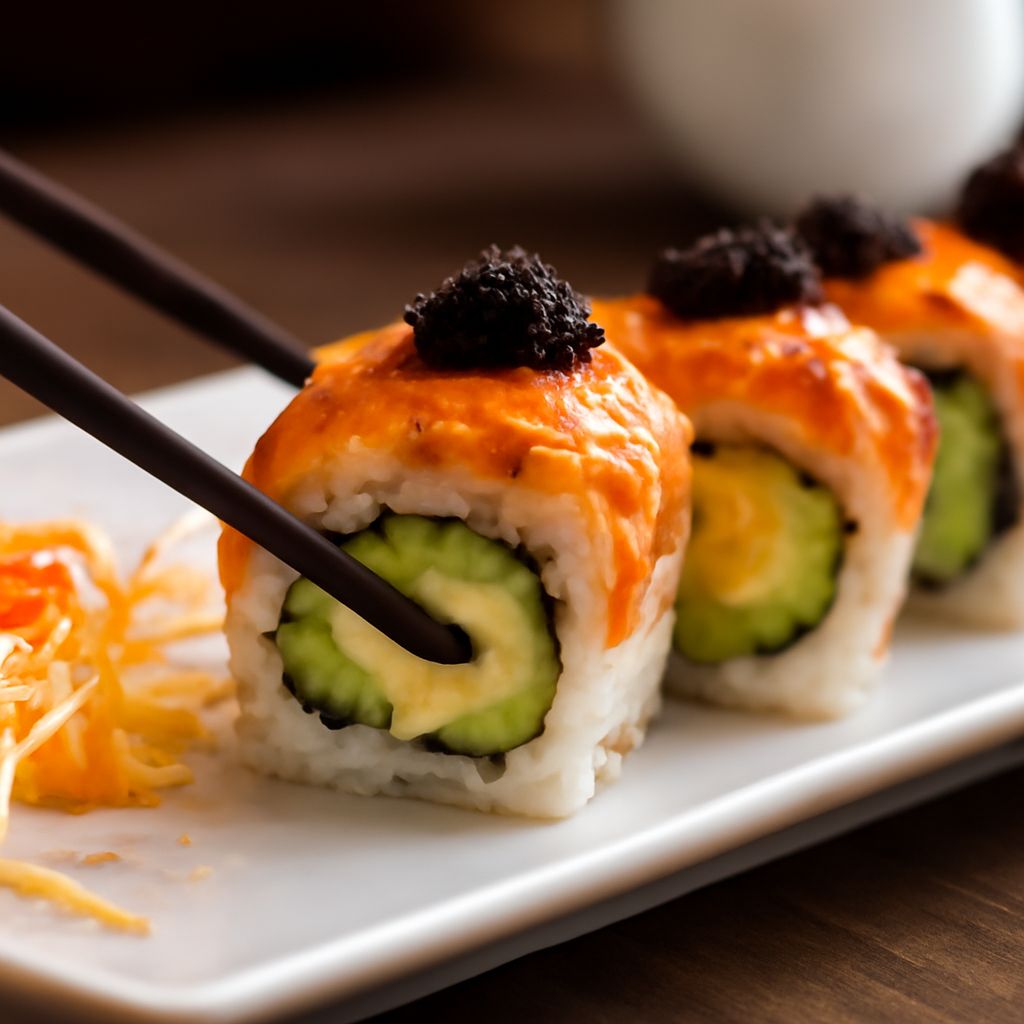
A standard 6-piece roll uses about a third of a cup of cooked sushi rice, which contributes roughly 100 to 120 calories on its own. Add raw fish and you’re typically looking at 180 to 250 calories per 6-piece roll. Common roll calorie counts per 6 pieces: Cucumber roll—130; Tuna roll—180; Salmon roll—210; Avocado roll—140; Spicy tuna roll—290; California roll—250; Philly roll (salmon and cream cheese)—340; Rainbow roll—475; Tempura shrimp roll—500+. The jump from simple raw fish rolls to anything fried or cream-cheese-filled is significant—often doubling the calorie count.
Is sushi high in calories
For a protein-rich meal, sushi is relatively moderate in calories when you stick to raw fish rolls without heavy sauces. Two 6-piece rolls of salmon and tuna deliver around 380 to 420 calories with 30 to 40 grams of protein. That’s a reasonable lunch. The calorie density problem comes from rolls with tempura batter, cream cheese, spicy mayo (roughly 90 calories per tablespoon), eel sauce, and crunchy topping. A Dragon Roll or Spider Roll can hit 500 to 600 calories for just 8 pieces. Soy sauce adds sodium but negligible calories. Wasabi and ginger add almost nothing. Sushi itself isn’t high in calories—the preparations are what push the numbers up.
Protein in sushi
Protein in sushi comes primarily from the fish or seafood filling. Salmon provides about 7 grams of protein per ounce, tuna about 8 grams, shrimp about 6 grams. A 6-piece salmon roll with roughly 1.5 ounces of fish delivers about 10 to 11 grams of protein. Two rolls gives you 20 to 22 grams—decent but not a complete protein-focused meal on its own. Edamame on the side adds another 8 to 10 grams per half cup and is one of the better low-calorie protein additions at a Japanese restaurant. Miso soup adds about 3 grams of protein and only 35 calories.
High-calorie rolls to watch
The biggest calorie traps in sushi menus are specialty rolls with multiple components. Any roll described as “crunchy” has fried topping adding 80 to 120 calories. Spicy mayo is often added liberally—two tablespoons is 180 calories of almost pure fat. Double-wrapped rolls (rice on the outside of the seaweed instead of inside, with extra rice) add 50 to 80 additional calories. Restaurant portions of soy sauce can also clock in at multiple tablespoons, adding sodium that causes next-day water retention even if the calories aren’t dramatic.
Lower-calorie choices
If you’re watching sushi roll calories, the clearest strategy is to order simple rolls with raw fish and no sauce. Ask for sauces on the side so you control how much goes on. Sashimi is the leanest option—3 to 4 ounces of salmon sashimi runs about 130 to 180 calories with 20+ grams of protein. Brown rice is sometimes available and adds fiber without dramatically changing calorie counts. Naruto-style rolls (cucumber wrap instead of rice) cut 100 to 120 calories per roll. Starting with miso soup and edamame before rolls arrive also reduces how many rolls you end up ordering.
Safety recap: Raw fish carries a small risk of parasites and bacteria; individuals who are pregnant, immunocompromised, or elderly should choose cooked rolls or sashimi-grade fish from reputable establishments.

Related Posts
How Much Fat is in Whole Milk and Its Protein Content?

Understanding the Fat Guy Penis: Nutritional Insights