Scotch Calories: How Many Calories in Scotch Whiskey and What It Means for Your Diet
Scotch Calories: How Many Calories in Scotch Whiskey and What It Means for Your Diet
You’ve made room for a dram in your evening routine, but now you’re wondering exactly what that costs nutritionally. Scotch calories come almost entirely from alcohol itself, not sugar or carbohydrates, which makes whisky different from beer and most cocktails in an important way. Knowing how many calories in scotch helps you fit it into a balanced diet without guesswork, and understanding the specifics around how many calories in a shot of scotch gives you a practical per-pour reference that works whether you’re at home or at a bar.
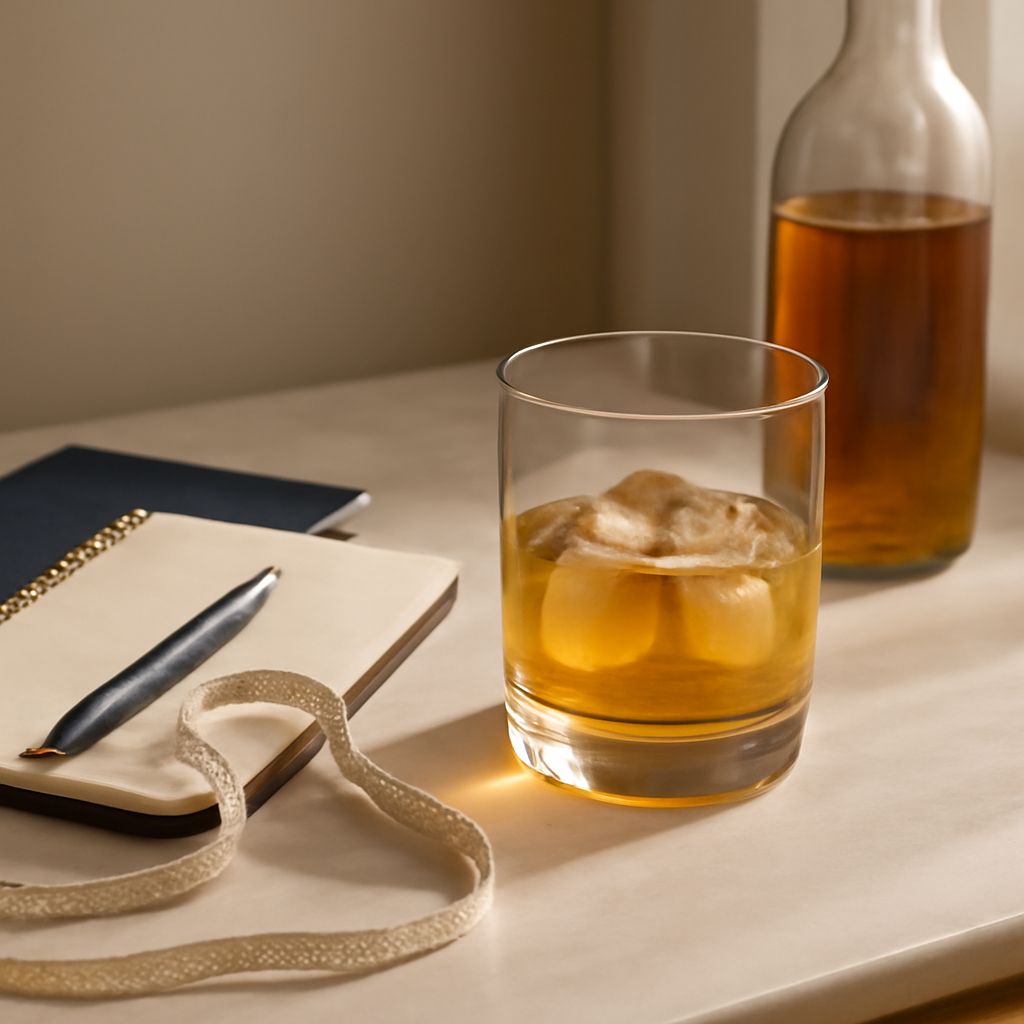
Calories in scotch whiskey are straightforward to calculate because distilled spirits contain no carbohydrates after the distillation process. A standard 1.5-ounce shot delivers approximately 97 to 105 calories depending on proof. Calories in a shot of scotch at 80 proof (40% ABV) land around 97 calories, while a cask-strength expression at 60% ABV can push 145 calories for the same volume. For those tracking intake, this simplicity is actually a benefit: no hidden sugar, no carbs, and a consistent caloric profile that makes estimation reliable.
How Scotch Calories Are Calculated
The Math Behind Alcohol Calories
Alcohol contains 7 calories per gram, which places it between carbohydrates (4 cal/g) and fat (9 cal/g). To calculate scotch calories for any expression: multiply the volume in milliliters by the ABV percentage, then multiply by 0.789 (the density of ethanol in grams per milliliter) and then by 7. For a 44ml (1.5 oz) pour of 40% ABV scotch: 44 x 0.40 x 0.789 x 7 = approximately 97 calories. This formula works for any spirit. The only variable is ABV; adding mixers, like in a whisky highball with cola, adds carbohydrate calories on top of the base spirit calories.
Does Age or Region Affect Calories in Scotch Whiskey?
No. Whether a scotch is 12 years old or 25, from Islay or Speyside, heavily peated or unpeated, none of those factors change the calorie count materially. What changes calories in scotch whiskey is solely the ABV. A sherried Macallan at 43% ABV and a smoky Laphroaig at 43% ABV contain virtually identical calories per pour. Age statements and flavor profiles are irrelevant to the caloric math. This makes scotch one of the more predictable alcoholic beverages to track nutritionally.
Comparing Scotch to Other Alcoholic Drinks
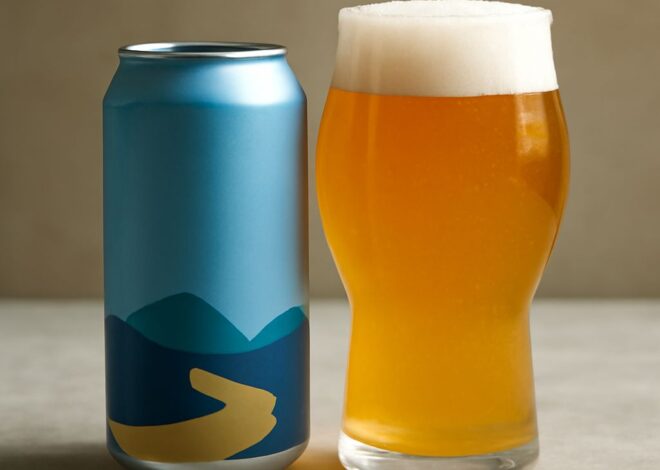
How many calories in scotch compares favorably to most other alcoholic options of similar volume. A standard 12-ounce beer contains 150 to 200 calories. A 5-ounce glass of wine runs 120 to 150 calories. A 1.5-ounce scotch at 97 calories is the lowest-calorie option per serving among common alcoholic drinks, assuming it’s consumed neat or on the rocks without sugary mixers. A whisky and soda (scotch plus sparkling water) adds zero additional calories. A whisky and cola, in contrast, adds roughly 90 to 100 calories from the mixer per standard pour. For calorie-conscious drinkers, neat scotch or scotch with water is the most efficient option.
How Alcohol Affects Metabolism and Fat Loss
Even without carbohydrates, scotch calories can affect fat loss goals through metabolic priority. When alcohol is present in the bloodstream, the liver prioritizes metabolizing it over other substrates. Fat oxidation essentially pauses during alcohol metabolism. This does not mean moderate scotch consumption destroys fat loss progress, but it does mean that drinking on consecutive evenings creates repeated pauses in fat burning. One or two drinks on an occasional basis has minimal impact. Daily moderate drinking slows fat loss measurably over weeks. For optimal body composition results, limiting intake to two to four occasions per week gives the metabolism sufficient clearance time between sessions.
Fitting Scotch Into a Calorie-Controlled Diet
At 97 to 105 calories per 1.5-ounce pour, scotch is easy to budget. If you’re following a 1,800-calorie day, two pours of scotch account for roughly 200 calories, or about 11 percent of your daily budget. That leaves substantial room for nutritious meals when managed consciously. The practical approach: decide on your scotch allocation for the day before meals, subtract those calories from your food budget, and fill the remainder with protein-forward, lower-calorie foods. Protein keeps satiety high, which counteracts alcohol’s tendency to lower inhibitions around late-night eating, the real caloric hazard associated with drinking for most people.
Scotch and Health: What Research Shows
Moderate scotch consumption, defined as one to two standard drinks per day for men and one for women, has been associated in some observational studies with reduced cardiovascular risk, partly attributed to ellagic acid, an antioxidant present in whisky at higher concentrations than in red wine. However, these associations do not establish causation, and current public health guidance does not recommend starting drinking for health benefits. Excessive consumption of scotch, regardless of its relatively low calorie count per serving, increases risk for liver disease, certain cancers, and cardiovascular events. Enjoying scotch as an occasional pleasure within a healthy overall lifestyle is the sensible framework.
Next steps: Use the ABV-based formula to calculate scotch calories accurately for any expression you enjoy. Budget your pours as a line item in your daily calorie tracking rather than ignoring them. Drink neat or on the rocks to keep the calorie count at its baseline, and limit frequency to two to four occasions per week to minimize alcohol’s suppression of fat metabolism.